
Prove age without sharing your birthdate
Zero-knowledge proofs (ZKP) change how identity verification works by letting you prove a claim without revealing the underlying data. In traditional KYC, you hand over a passport or driver's license, exposing your full name, address, and birthdate to every service you join. ZKP flips this model: you generate a cryptographic proof that confirms a specific fact—such as "I am over 18"—without disclosing the actual date of birth or any other personal details.
This mechanism satisfies GDPR and privacy requirements by adhering to data minimization principles. You share only the truth of the statement, not the raw information. For example, a service can verify your age eligibility without ever storing your birthdate, reducing the risk of data breaches and misuse.
As Google explains in their open-source ZKP libraries for age assurance, this technology allows people to prove that something about them is true without exchanging any other data. This approach protects your privacy while still meeting legal and regulatory verification needs, making it a safer alternative to traditional document uploads.
Set up the identity issuer and verifier roles
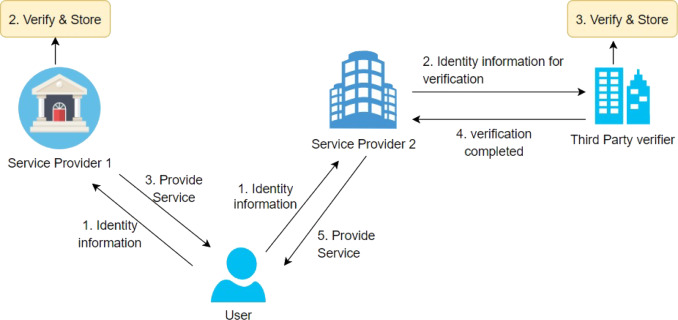
A zero-knowledge proof system for identity relies on a three-party architecture. You cannot generate a verifiable claim without an issuer to validate the original data and a verifier to check the resulting proof. This structure ensures that the user never shares raw personal information, only the mathematical proof that specific conditions are met.
The Issuer: Verifying the Source
The issuer is the trusted authority that validates the user's real-world credentials. In a digital identity context, this might be a government agency issuing a passport, a university issuing a degree, or a bank issuing an account verification. The issuer performs the heavy lifting: they confirm the authenticity of the underlying documents and then sign a credential attesting to the facts. This signed credential is what the user stores in their digital wallet. Without a reputable issuer, the proof has no foundation.
The User: Holding the Credential
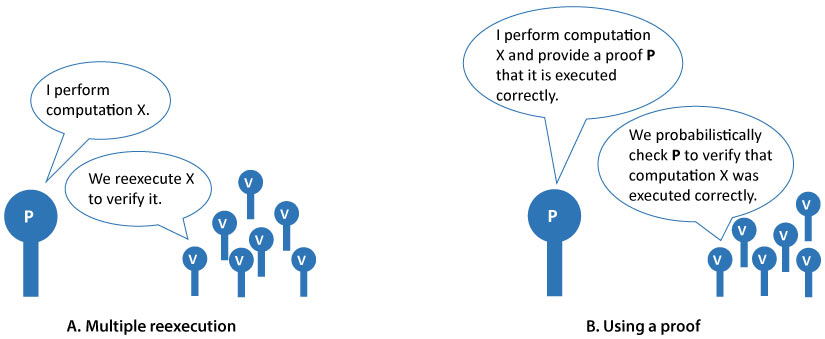
The user acts as the prover. They hold the signed credential from the issuer in their secure digital wallet. When a third party requests information, the user does not send the original document or the signed credential directly. Instead, they use their wallet to generate a zero-knowledge proof. This process allows the user to demonstrate that they possess a valid, unsigned credential from a trusted issuer that meets certain criteria (e.g., "is over 18") without revealing the underlying data (e.g., their exact birthdate or name). The user controls the flow of information.
The Verifier: Checking the Proof
The verifier is the entity requesting the information. This could be a website checking for age verification, a landlord screening a tenant, or a financial institution complying with KYC (Know Your Customer) regulations. The verifier receives only the proof and the public parameters of the system. They run a cryptographic check to confirm that the proof is valid. If the math checks out, the verifier accepts the claim. They gain no knowledge of the user's identity beyond the specific fact being proven. This separation of duties ensures privacy while maintaining trust.
Generate the proof locally
The core advantage of zero-knowledge identity is that the cryptographic verification happens on your device, not on a central server. This ensures that no raw biometric data, passport scans, or personal documents leave your hardware during the verification process.
To generate the proof, your device follows a strict sequence: it loads your stored credentials, applies the verification circuit logic, and outputs a mathematical proof hash. This hash proves you possess valid credentials without revealing what those credentials are.
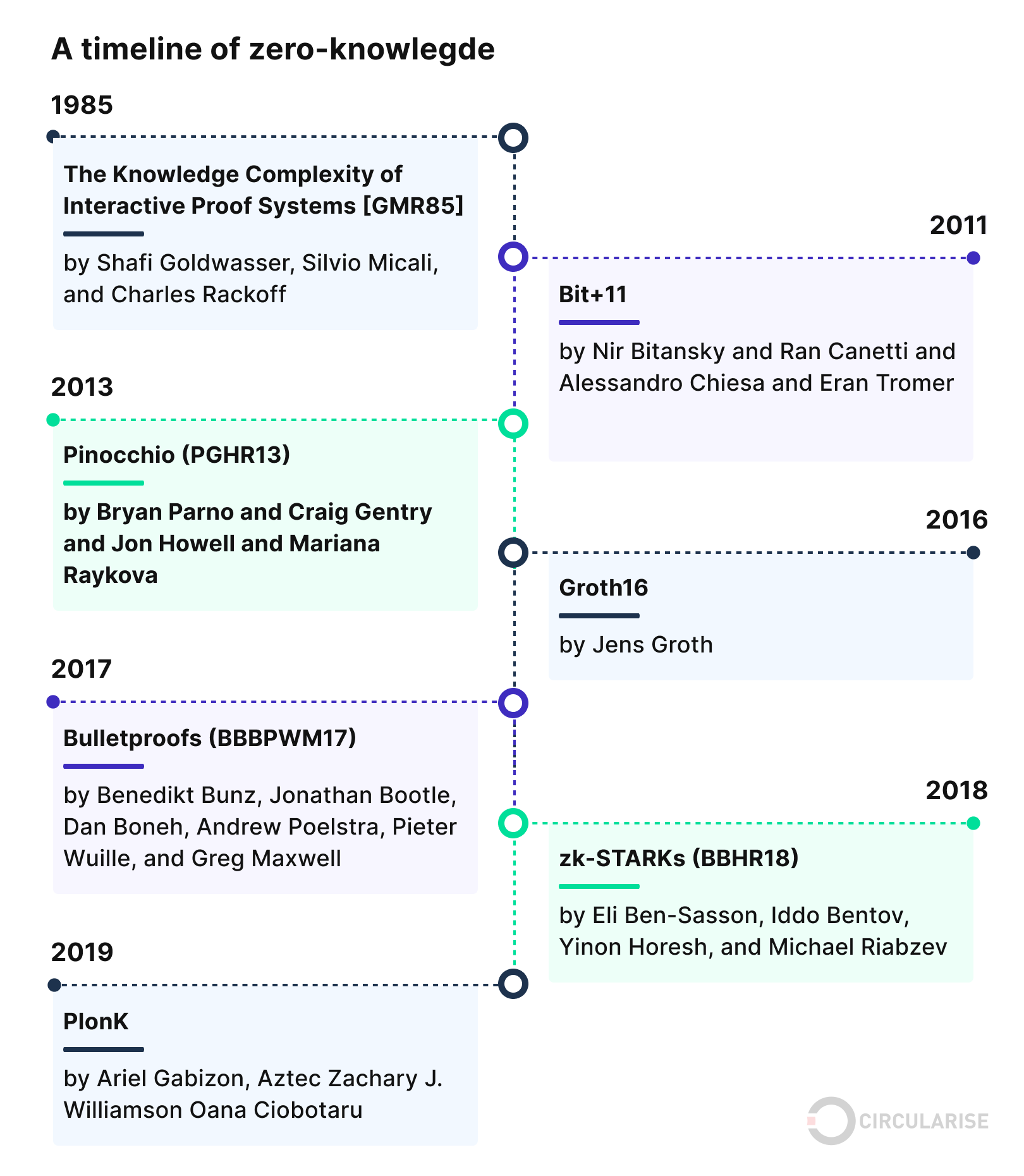
The process begins when your device accesses the secure enclave or local storage where your identity attributes are kept. These attributes—such as your date of birth, citizenship, or government ID hash—are retrieved only for the purpose of this specific verification session. The data never leaves the trusted execution environment of your phone or computer.
The device runs your credentials through a pre-defined "circuit"—a set of mathematical rules agreed upon by the verifier. For example, the circuit might check: "Is the date of birth earlier than January 1, 2006?" The device performs this calculation locally. If the condition is met, the circuit outputs a "true" signal; if not, it outputs "false." This step ensures that only the specific statement required by the verifier is proven, keeping all other data private.
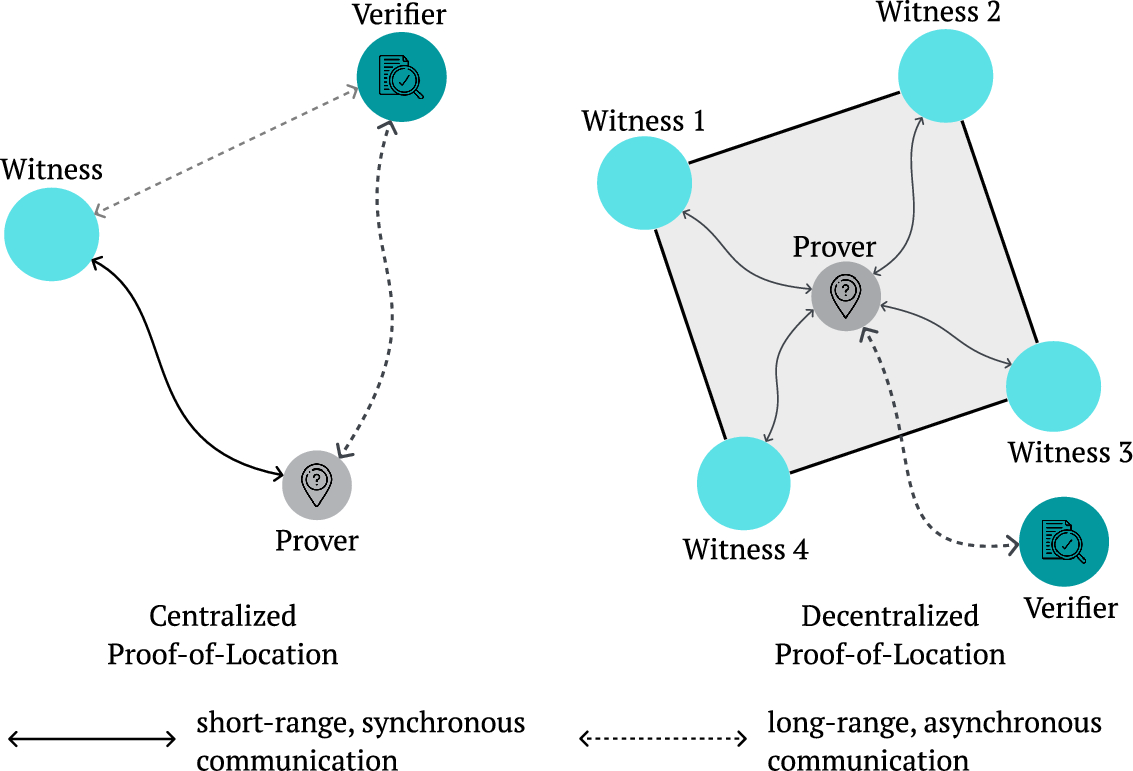
Once the circuit logic is satisfied, the device generates a compact cryptographic proof, often called a "SNARK" or "STARK." This proof is a small string of data that mathematically guarantees the statement is true without containing any of the underlying personal information. Your device then transmits only this proof hash to the verifier's server. The server checks the proof against the public verification key, confirming your identity without ever seeing your actual documents.
This local generation model shifts the trust model from "trust the server to protect my data" to "trust the math to hide my data." As noted by Ethereum.org, the beauty of this approach is that only one statement is revealed—such as confirming a user is unique—while everything else remains private. This ensures that even if the verifier's server is compromised, your underlying identity attributes are not exposed.
Validate the proof against regulatory rules
Once the verifier receives the proof, it must confirm the mathematical validity of the claim without accessing the underlying personal data. This validation process ensures that the identity credential meets both cryptographic standards and specific regulatory requirements, such as the EU eIDAS framework for digital identity.
The verification follows a strict sequence to ensure integrity and compliance.
The verifier first checks the digital signature attached to the proof. This confirms that the proof was generated by a trusted issuer and has not been tampered with. The system compares the signature against the issuer’s known public key. If the signature is invalid, the proof is rejected immediately, preventing fraud.
Next, the verifier runs the proof against a predefined cryptographic circuit. These circuits define the exact rules for valid identity claims, such as "age over 18" or "citizen of a specific country." The verifier ensures the mathematical proof satisfies all constraints within the circuit. This step confirms that the claimed attributes are mathematically consistent with the issuer's data.
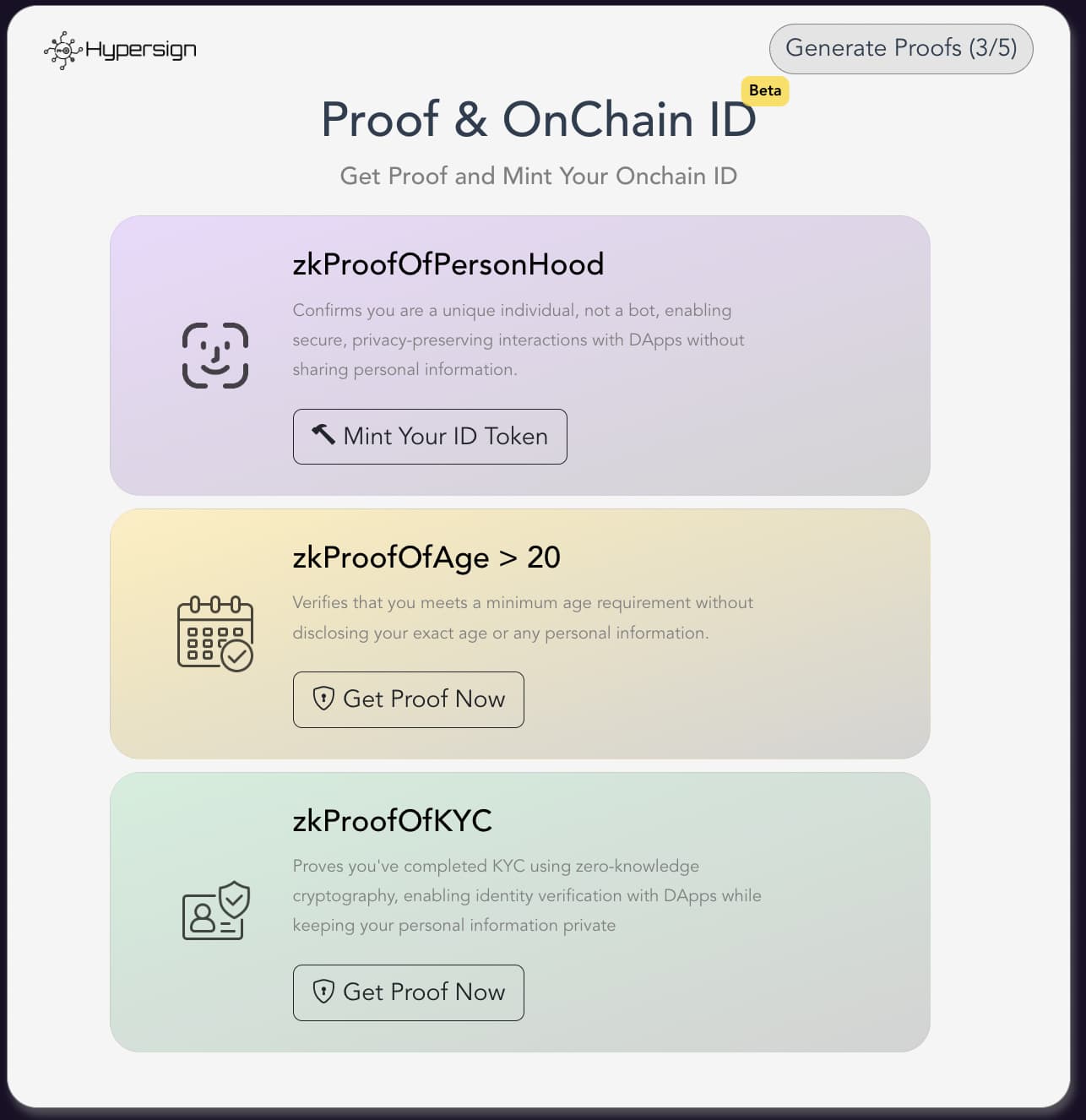
The verifier then checks if the proof aligns with regulatory standards like the EU eIDAS regulation. This involves verifying that the credential type is recognized and that the proof generation method meets legal requirements for electronic identification. Compliance checks ensure the proof is legally valid for high-assurance transactions.
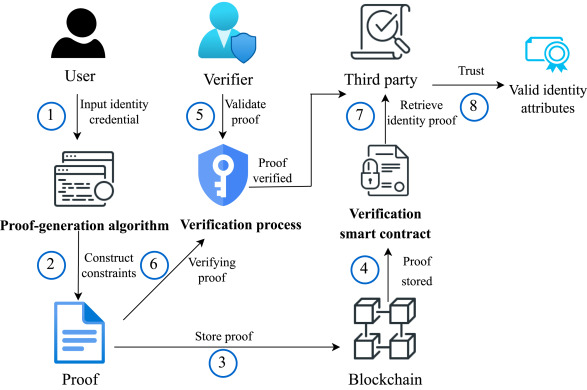
Finally, the verifier checks a revocation list to ensure the credential has not been revoked by the issuer. Even if the cryptographic proof is valid, a revoked credential cannot be used. This step prevents the use of compromised or expired identity documents, maintaining the security of the verification process.
Avoid common privacy pitfalls in ZKP design
Even with zero-knowledge proofs, poor implementation can expose the very data you are trying to hide. The most frequent failure is leaking metadata through side channels. Timing attacks, for example, allow an observer to infer private inputs by measuring how long the proof generation takes. To prevent this, ensure your circuit logic executes in constant time, regardless of the secret values involved.
Weak circuit design is another critical vulnerability. If your proof system does not fully constrain the relationship between public inputs and private witnesses, an attacker may reconstruct sensitive data through inference. Always validate that your circuits strictly enforce the zero-knowledge property, ensuring no extra information is revealed beyond the truth of the statement.
Finally, remember that zero-knowledge proofs alone are not a complete digital identity solution. As the Electronic Frontier Foundation notes, ZKPs provide a cryptographic way to avoid revealing details like your exact date of birth, offering only a "yes-or-no" confirmation. You must combine robust circuit design with careful system architecture to maintain true privacy.
No comments yet. Be the first to share your thoughts!