
Zero-knowledge proof KYC limits to account for
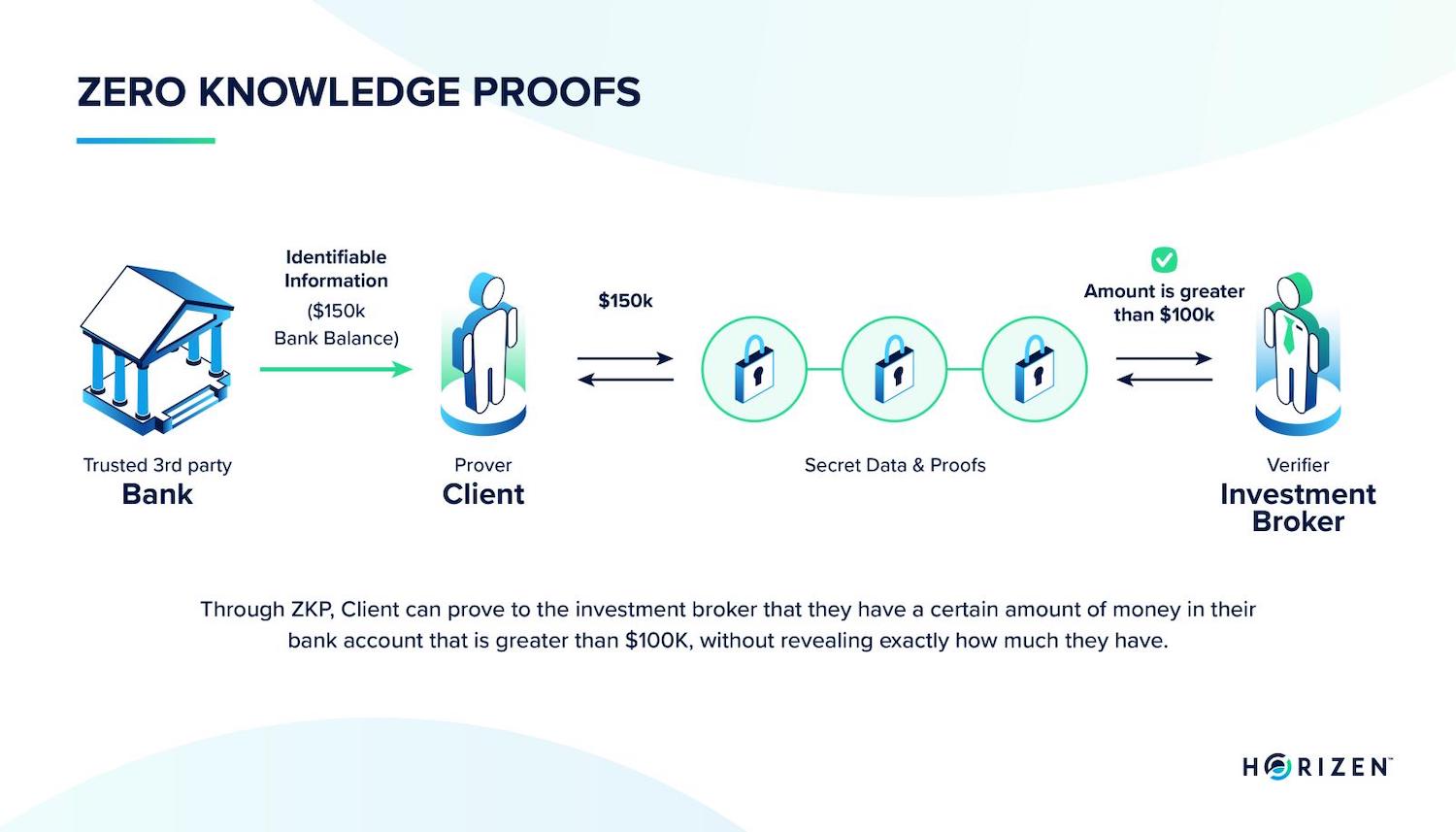
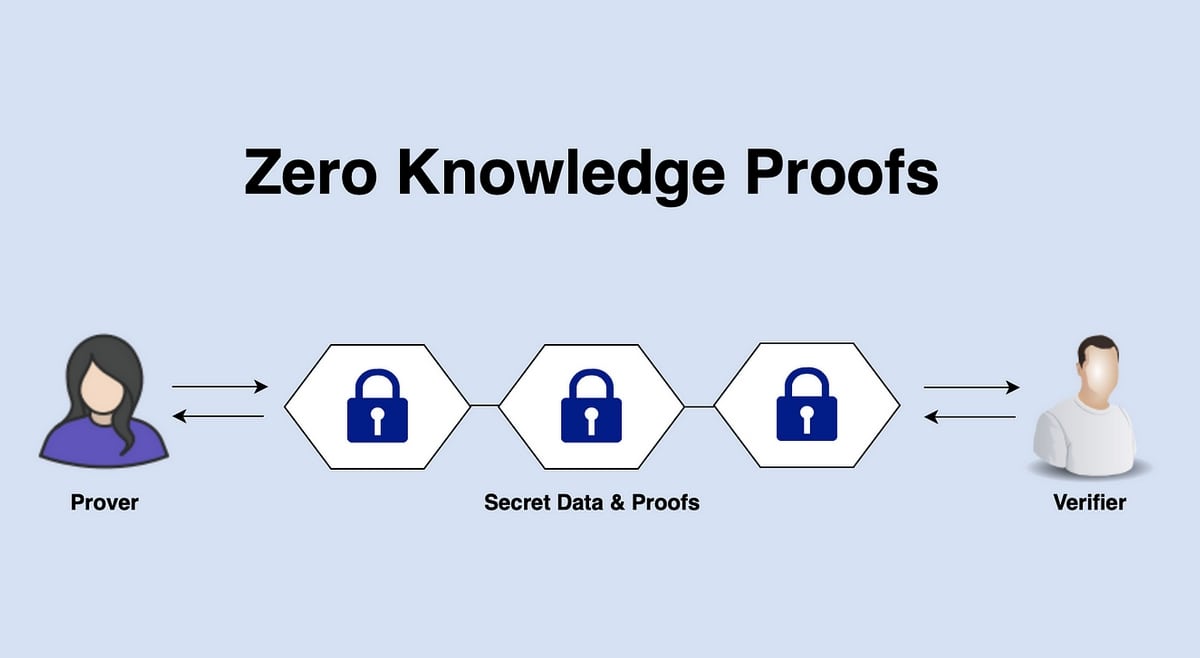
Zero-Knowledge Proof (ZKP) systems allow users to verify identity attributes—such as age, residency, or credential validity—without revealing the underlying personal data. This capability is critical for KYC (Know Your Customer) compliance in decentralized finance and privacy-focused platforms. However, implementing ZKP for KYC introduces specific technical and regulatory limits that organizations must navigate carefully.
The primary limitation is the computational overhead. Generating zero-knowledge proofs, particularly using zk-SNARKs or zk-STARKs, requires significant processing power. For user-facing applications, this can lead to slower onboarding times compared to traditional document uploads. If the proof generation takes more than a few seconds, user drop-off rates increase sharply. Developers must optimize circuit complexity to balance privacy guarantees with acceptable latency.
Another critical constraint is the "trusted setup" requirement for many ZKP schemes. In a zk-SNARK trusted setup, cryptographic parameters are generated in a ceremony. If the random entropy used during this process is compromised or not properly discarded, the entire system’s security collapses. While zk-STARKs eliminate the need for a trusted setup, they often produce larger proof sizes, increasing bandwidth and storage costs. Organizations must choose between the efficiency of SNARKs and the trust-minimization of STARKs based on their threat model.
Regulatory ambiguity also poses a limit. While ZKP enhances privacy, regulators like the FATF (Financial Action Task Force) require identifiable data for anti-money laundering (AML) checks. A common misconception is that ZKP makes anonymity absolute. In reality, ZKP allows for selective disclosure. Compliance teams must ensure that their ZKP circuits can be designed to reveal specific required data points to authorized auditors or law enforcement under legal warrants, without exposing the user’s full identity to the general public. This "selective disclosure" architecture is complex to implement and audit.
Also, there is the issue of key management. If a user loses their private key or the secret witness data required to generate proofs, they cannot recover their verified status. Unlike traditional KYC, where support teams can reset credentials, ZKP systems often lack a central authority to recover lost proofs. This creates a high-stakes environment where data loss is permanent. Solutions like social recovery or multi-party computation (MPC) add layers of complexity and potential attack surfaces.
| Factor | What to check | Why it matters |
|---|---|---|
| Proof Size | Compare zk-SNARK vs. zk-STARK proof sizes. | |
| Trusted Setup | Determine if a trusted setup is required for your chosen scheme. | A compromised setup destroys the system’s security guarantees permanently. |
| Regulatory Fit | Verify if the ZKP circuit allows for selective disclosure to auditors. | Absolute privacy may violate AML laws; selective disclosure is often legally required. |
Zero-knowledge proof KYC choices that change the plan
When selecting a ZKP KYC solution, the choice often hinges on the trade-off between user experience, security model, and regulatory compliance. Here are the key decision points that alter the implementation strategy.
First, consider the verifier’s infrastructure. If you are building on Ethereum, gas costs for proof verification are high. zk-SNARKs are generally more gas-efficient than zk-STARKs, making them preferable for on-chain verification despite the trusted setup requirement. If you are verifying off-chain (e.g., in a mobile app), proof size matters less, and zk-STARKs might be preferred for their post-quantum security and lack of trusted setup.
Second, evaluate the identity provider’s role. Some ZKP KYC systems use a centralized issuer (like a government or bank) to issue credentials. Others use decentralized identity protocols (DIDs). Centralized issuers offer easier integration with existing KYC workflows but create single points of failure. Decentralized issuers enhance user sovereignty but require users to manage their own identity wallets, which can be a barrier to mass adoption.
Third, assess the circuit complexity. Simple proofs (e.g., proving you are over 18) are fast and cheap. Complex proofs (e.g., proving you are not on a sanctions list without revealing your name) require more computational resources. If your use case involves complex compliance checks, you may need to use recursive proofs or aggregate multiple proofs, which adds significant development time and cost.
Avoid the weak options
Not all ZKP implementations are created equal. Avoid solutions that promise "zero-knowledge" but lack rigorous cryptographic audits. Many open-source ZKP libraries have had vulnerabilities discovered post-launch. Always prioritize projects with a history of third-party security audits and active bug bounty programs.
Also, avoid systems that require users to download heavy client software. If the proof generation process requires a large download or high-end hardware, you will exclude a significant portion of your user base. Opt for solutions that can generate proofs in a browser using WebAssembly or on lightweight mobile devices.
Finally, avoid "black box" ZKP providers. If you cannot inspect the circuit code or understand how the proof is generated, you cannot guarantee compliance. Regulatory bodies may reject your KYC process if you cannot demonstrate how it protects data while allowing for necessary disclosures. Transparency in the circuit design is non-negotiable for enterprise-grade KYC.
No comments yet. Be the first to share your thoughts!