
What Is a No-KYC Platform?
KYC stands for "Know Your Customer," a regulatory requirement for financial institutions to verify the identity of their clients. A no-KYC platform, often referred to as a zero-KYC service, allows users to transact without undergoing these full identity checks. These platforms typically do not require government-issued IDs, proof of address, or biometric data to open an account or execute a trade.
The appeal is privacy. Users who value financial anonymity often prefer services that minimize data collection. However, this convenience comes with distinct trade-offs. Because these platforms bypass standard regulatory oversight, they may lack the consumer protections offered by traditional, regulated exchanges. Users should be aware that the absence of identity verification can sometimes correlate with higher fees, lower transaction limits, or a greater potential for encountering scams.
When evaluating no-KYC options, it is essential to look beyond the promise of anonymity. Consider the platform's reputation, security history, and the specific limitations placed on unverified accounts. The goal is to find a balance between privacy and safety.
Kyc zero choices that change the plan
Removing identity verification removes friction, but it also removes the safety nets that traditional finance relies on. When you trade or hold assets without KYC, you are trading convenience for liability. The following table breaks down the concrete factors you should evaluate before choosing a no-KYC or zero-KYC solution.
| Factor | Standard KYC Platforms | No-KYC Alternatives |
|---|---|---|
| Account Recovery | Standard email or phone reset. No-KYC: Often irreversible loss of funds if keys are lost. | No central authority; you hold full responsibility. |
| Transaction Limits | High limits for fiat on/off ramps. No-KYC: Often capped or requires premium tiers. | Lower default limits; higher fees for larger volumes. |
| Regulatory Risk | Protected by banking laws and insurance schemes. No-KYC: Higher risk of platform shutdowns. | No legal recourse if the platform freezes or exits. |
| Privacy | Data shared with third-party verifiers and regulators. No-KYC: Minimal data collection. | High privacy; no identity trail on the platform. |
The most immediate tradeoff is account recovery. On a standard platform, if you forget your password, customer support can reset it. On a no-KYC platform, you are your own bank. If you lose your private keys or seed phrase, there is no customer service team to help you retrieve your assets. This requires strict personal security hygiene that most casual users do not practice.
Regulatory risk is another critical factor. Platforms that do not verify identity often operate in legal gray areas or offshore jurisdictions. While this offers privacy, it also means there is no insurance fund protecting your deposits if the platform is hacked or goes bankrupt. You must evaluate whether the privacy benefit outweighs the risk of total capital loss.
Finally, consider the cost of privacy. No-KYC services often charge higher fees to compensate for the lack of economies of scale and the higher risk profile. You may also face lower transaction limits, meaning you cannot move large sums of money as easily as you would on a regulated exchange. Evaluate these costs against your specific needs for anonymity and liquidity.
How to choose a zero-kyc provider
Selecting a platform that operates without identity verification requires balancing privacy with operational reality. "No KYC" services allow you to trade or transact without providing government ID or address details, but this convenience often comes with higher fees or trading limits. Use the following framework to evaluate options before committing funds.
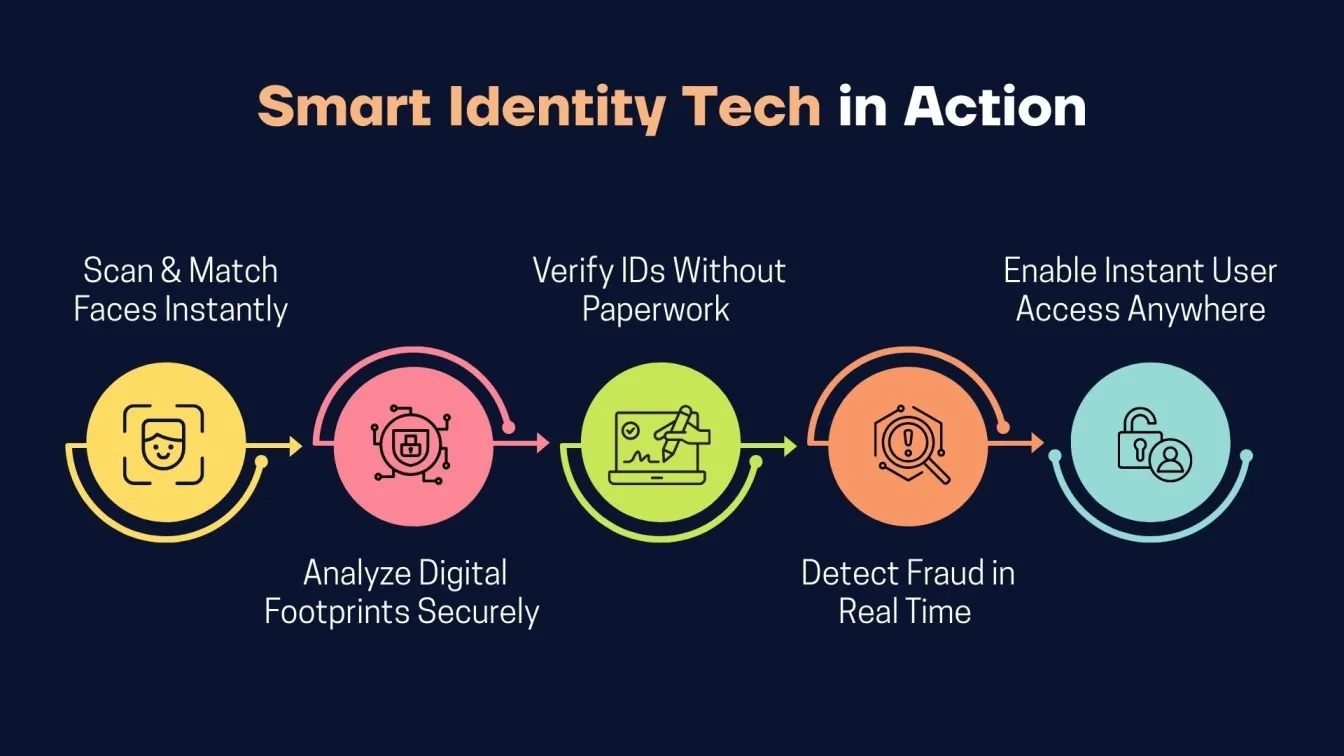
Start by checking independent directories like KYCnot.me. These platforms rank exchanges and wallets based on their actual data retention policies. A high privacy score indicates the provider does not store unnecessary personal data, reducing your exposure in the event of a platform breach.
Zero KYC platforms typically enforce lower withdrawal and trading caps to mitigate regulatory risk. Before signing up, confirm that the limits align with your intended volume. If you plan to move significant capital, you may eventually need to transition to a verified account, so check the onboarding path for future upgrades.

Privacy does not equal security. Look for platforms with a transparent history, clear terms of service, and robust security measures like multi-signature wallets. Avoid new or anonymous projects that lack community verification. A strong reputation in privacy-focused communities is often a better indicator of reliability than marketing claims.
Without KYC, platforms often charge higher fees to offset the risk of non-compliance. Compare trading fees, deposit costs, and withdrawal charges across several providers. Factor these costs into your decision, as high fees can erode profits faster than regulatory friction.
Watch out for misleading claims
The 2026 KYC zero revolution promises frictionless finance, but "zero KYC" is often a marketing label rather than a legal reality. Many platforms offer simplified verification that still collects significant data, while others operate in regulatory gray areas that vanish overnight. Before trusting a service with your assets, verify the actual compliance structure.
Common mistakes include assuming "no KYC" means total anonymity. Most legitimate platforms still require basic email verification or limit transaction volumes to avoid suspicion. True zero-KYC options are rare and often carry higher fees or reduced liquidity. Always check the jurisdiction of the service provider and review their privacy policy for data retention clauses.
Be wary of services that claim to bypass all regulations. These platforms may be fronts for money laundering or scams. Stick to well-known providers with transparent compliance frameworks. If a service seems too good to be true, it likely is. Verify the provider's license status and read independent reviews before depositing funds.
Kyc zero: what to check next
The term "no KYC" refers to services that allow transactions without full identity verification. Traditional Know Your Customer (KYC) laws require platforms to collect government IDs and proof of address. No-KYC models skip these steps, often relying on cryptocurrency or privacy tools to maintain anonymity. While this offers speed and privacy, it may come with trading limits or higher fees.
Zero-Knowledge Proof (ZKP) is a technical approach to compliance. It allows a user to prove they meet specific criteria—like being over 18 or residing in a permitted jurisdiction—without revealing their actual identity data. This method, sometimes called zkKYC, aims to satisfy regulatory requirements while keeping personal information hidden from the service provider.
Zero-KYC is a simplified verification tier. It is not the same as having no KYC at all. In a zero-KYC model, you might provide minimal data, such as an email or phone number, but not a full government ID. This allows for basic transactions while reducing the amount of personal information stored by the platform.
Using no-KYC services carries distinct risks. Without identity checks, these platforms have less ability to prevent fraud or scams. Users often face lower withdrawal limits, higher transaction fees, or reduced customer support. Additionally, regulatory pressure on these services is increasing, which can lead to sudden service changes or shutdowns.
No comments yet. Be the first to share your thoughts!