
Get kyc zero right
Before you integrate zero KYC identity verification, you need to map the regulatory landscape of your specific jurisdiction. The term "no KYC" often refers to platforms that skip verification entirely, but a compliant zero-KYC strategy usually relies on minimal data collection or decentralized identifiers rather than total anonymity. Understanding this distinction prevents legal missteps and protects your users from scams that thrive in unverified environments.
Start by defining the scope of your verification needs. Not every transaction requires full identity proof. Use risk-based thresholds to determine when a user must provide a KYC number or government ID and when a simplified process suffices. This approach balances friction reduction with compliance, ensuring you only ask for data when necessary.
Choose the right technology stack. Look for solutions that support decentralized identity standards, allowing users to prove eligibility without exposing unnecessary personal details. Avoid providers that claim "zero KYC" but lack clear audit trails or regulatory licenses, as these often signal higher risk for fraud and money laundering. Verify that your chosen provider adheres to official anti-money laundering (AML) guidelines in your target markets.
Work through the steps
Setting up KYC Zero verification is a structured workflow. The goal is to complete identity checks with minimal friction while maintaining compliance standards. This process moves from initial data capture to final approval.
Follow this sequence to implement the workflow correctly.

Identify a service that supports zero-knowledge proofs or simplified KYC flows. Look for providers with transparent privacy policies and high trust scores. Avoid platforms that require excessive personal data upfront. Verify that the provider integrates with your existing fintech stack.

Adjust your platform’s data retention policies. Zero KYC systems often rely on cryptographic proofs rather than storing raw identity documents. Ensure your configuration prioritizes data minimization. This reduces liability and aligns with privacy-first regulations.
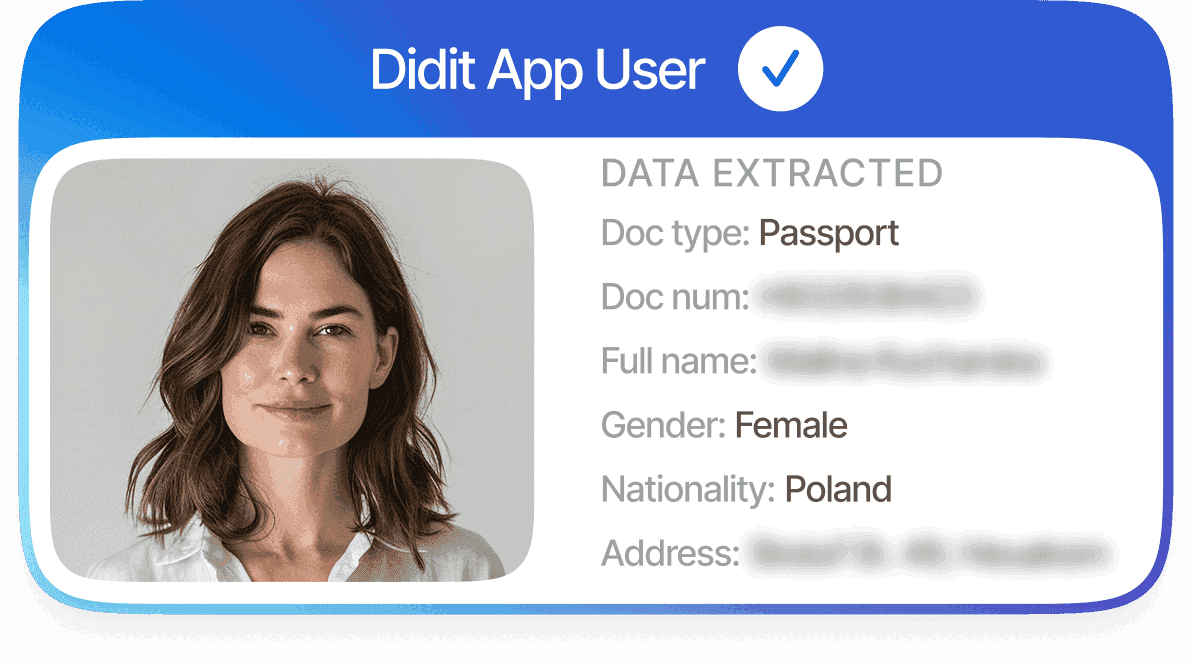
Connect your application to the provider’s API. Use secure endpoints for submitting verification requests. Implement error handling for failed checks or incomplete data. Test the integration in a sandbox environment before going live to ensure smooth user experiences.

Review the verification results. The system should return a pass/fail status based on the provided proofs. If additional information is needed, prompt the user clearly. Avoid re-requesting data that has already been cryptographically verified.
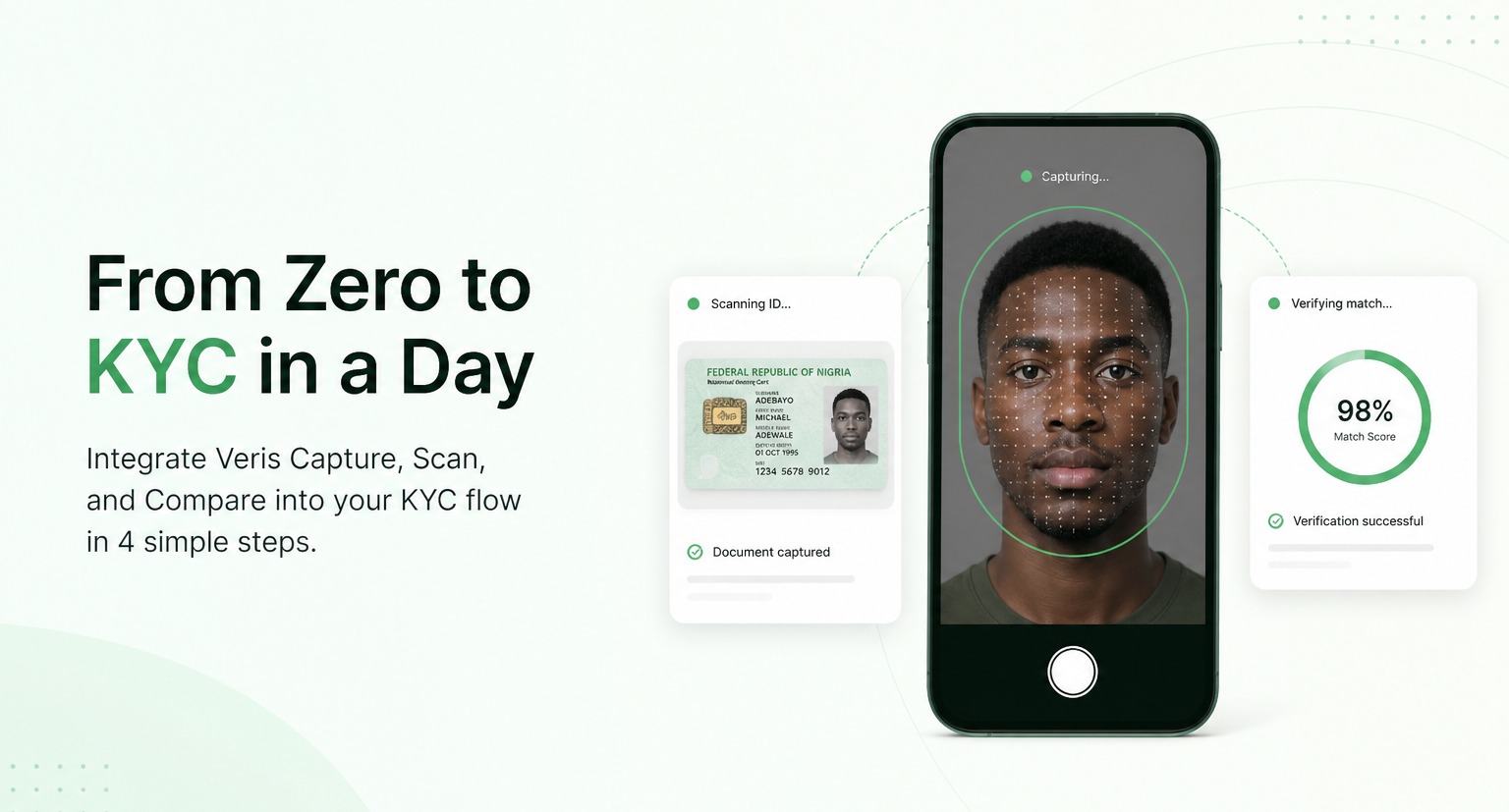
Grant the user access to their account based on the verification outcome. For zero-KYC flows, this might mean limited transaction caps or specific asset access. Monitor for suspicious activity and adjust limits as needed to maintain compliance without hindering legitimate users.
Fix Common KYC Zero Mistakes
Even with a streamlined "zero KYC" or simplified verification approach, friction remains if you skip the foundational steps. The goal isn't to eliminate compliance entirely, but to minimize unnecessary data collection while maintaining security. The following errors frequently derail this balance, leading to account freezes, rejected transactions, or regulatory penalties.
Skipping Risk Profiling
Assuming all users require the same level of scrutiny is the most common oversight. Zero KYC doesn't mean zero due diligence. You must implement a risk-based approach that tailors verification steps to the user's activity level. A low-value, one-time transaction might require no ID, but a high-frequency trader or large depositor needs enhanced scrutiny. Without this tiered logic, you either expose yourself to high-risk actors or impose unnecessary friction on legitimate, low-risk users.
Using Unreliable Identity Providers
Relying on obscure or unverified third-party vendors for identity checks introduces significant risk. If your verification provider lacks proper licensing or data security standards, your platform becomes liable for any resulting breaches or compliance failures. Always audit your vendors against official regulatory standards. Stick to providers with a proven track record in financial services, ensuring they meet the necessary anti-money laundering (AML) and data protection requirements in your jurisdiction.
Ignoring Transaction Monitoring
Verification is a one-time event; monitoring is continuous. Many platforms fail because they stop checking after the initial onboarding. Fraudulent behavior often emerges after the account is active. Implement automated transaction monitoring to detect suspicious patterns, such as rapid fund movements or structuring deposits to avoid thresholds. This ongoing oversight is essential for maintaining a "frictionless" experience for honest users while catching bad actors who might have slipped through the initial screening.
Overlooking Data Privacy Regulations
Collecting even minimal personal data triggers privacy obligations. Mishandling this data, whether through insecure storage or excessive retention, can lead to severe legal consequences. Ensure your data practices comply with GDPR, CCPA, or other relevant privacy laws. Clearly communicate what data you collect, why you need it, and how long you keep it. Transparency builds trust and reduces the risk of privacy-related complaints or regulatory action.
Kyc zero: what to check next
Users often confuse "zero KYC" with a lack of identity verification. In reality, it refers to privacy-preserving technologies like zero-knowledge proofs (ZKPs) or services that require minimal data. Understanding these distinctions helps you choose between frictionless onboarding and complete anonymity.
Helpful gear
Use these product recommendations as a starting point, then choose the size, material, and price point that fit how you actually use the gear.


As an Amazon Associate, we may earn from qualifying purchases.
No comments yet. Be the first to share your thoughts!