
Defining KYC Zero Trust
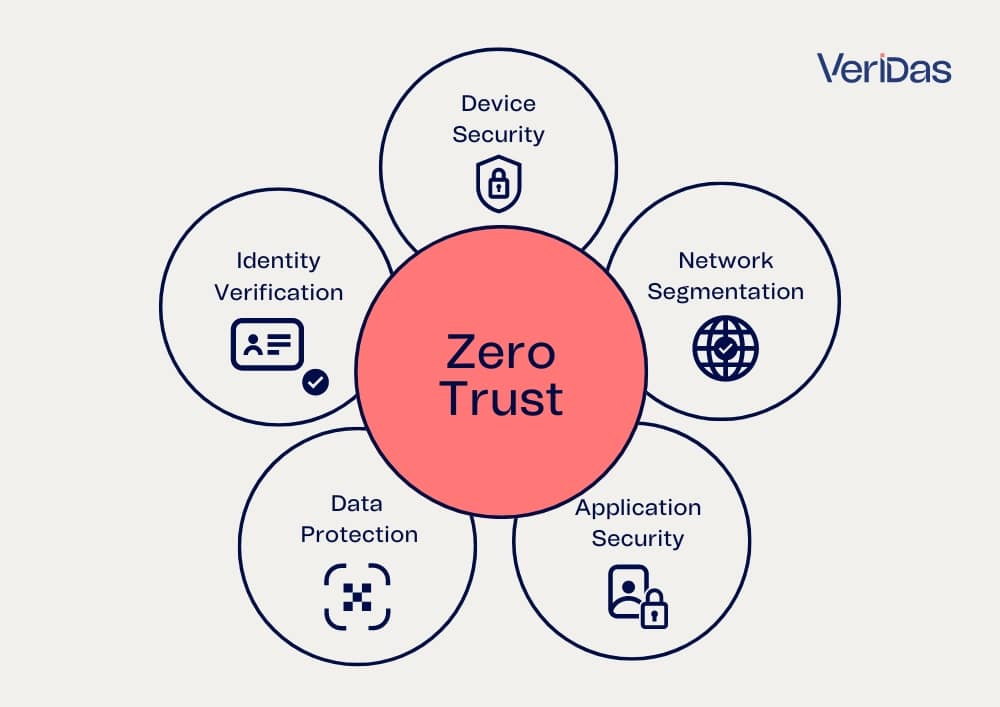
KYC Zero Trust applies the "never trust, always verify" principle to identity verification, extending security beyond network perimeters to every user interaction. Traditional models often granted implicit trust once a user entered a system, creating vulnerabilities that modern fraud requires us to eliminate. This framework treats every login, transaction, and data request as untrusted until proven otherwise, regardless of location or device.
Unlike general network security, which focuses on protecting the perimeter, KYC Zero Trust focuses on the identity of the user. It requires strict verification for every access request, enforcing policies based on the principle of least privilege. This means users only get the access they need, when they need it, and nothing more. As IBM notes, this approach moves away from implicit trust to continuous validation of identity and context.
The core distinction lies in the scope of verification. In a zero trust model, identity is the new perimeter. This requires multi-factor authentication (MFA), single sign-on (SSO), and behavior analytics to verify every user, app, and machine. By continuously monitoring and validating these signals, organizations can reduce onboarding friction while maintaining high security standards, ensuring that trust is earned through verification, not assumed through access.
The 2026 Compliance Landscape
Global regulators have tightened the screws on identity verification, making speed and security no longer competing priorities but dual requirements. In 2026, the KYC Zero Trust model has shifted from a theoretical framework to a regulatory baseline. Authorities in the EU, US, and APAC regions now expect financial institutions and tech platforms to verify every user interaction continuously, not just at the point of onboarding.
This shift is driven by the need to combat sophisticated synthetic identity fraud and money laundering networks that exploit legacy verification gaps. The old "trust but verify" approach, where initial KYC checks granted long-term trust, is being replaced by continuous validation. As noted by the Canadian Centre for Cyber Security, Zero Trust enables operators to "more closely log behavior and activities to verify compliance to policies" by improving visibility into who is accessing data and when Cyber.gc.ca.
For businesses, this means adapting to a landscape where friction is measured in milliseconds, not minutes. The goal is not to eliminate trust, but to embed it into the verification process itself. By treating every access request as a potential threat until proven otherwise, organizations can meet strict regulatory demands while maintaining a smooth user experience. This approach reduces the risk of non-compliance penalties and protects customer data from internal and external breaches.
Steps to Implement Zero Trust KYC
Deploying KYC Zero Trust requires shifting from a single, static check at onboarding to a continuous verification loop. This approach treats every access request as a potential threat, regardless of the user's location or previous login history. By integrating identity proofing with ongoing behavioral monitoring, organizations can reduce friction for legitimate users while maintaining a high security posture.

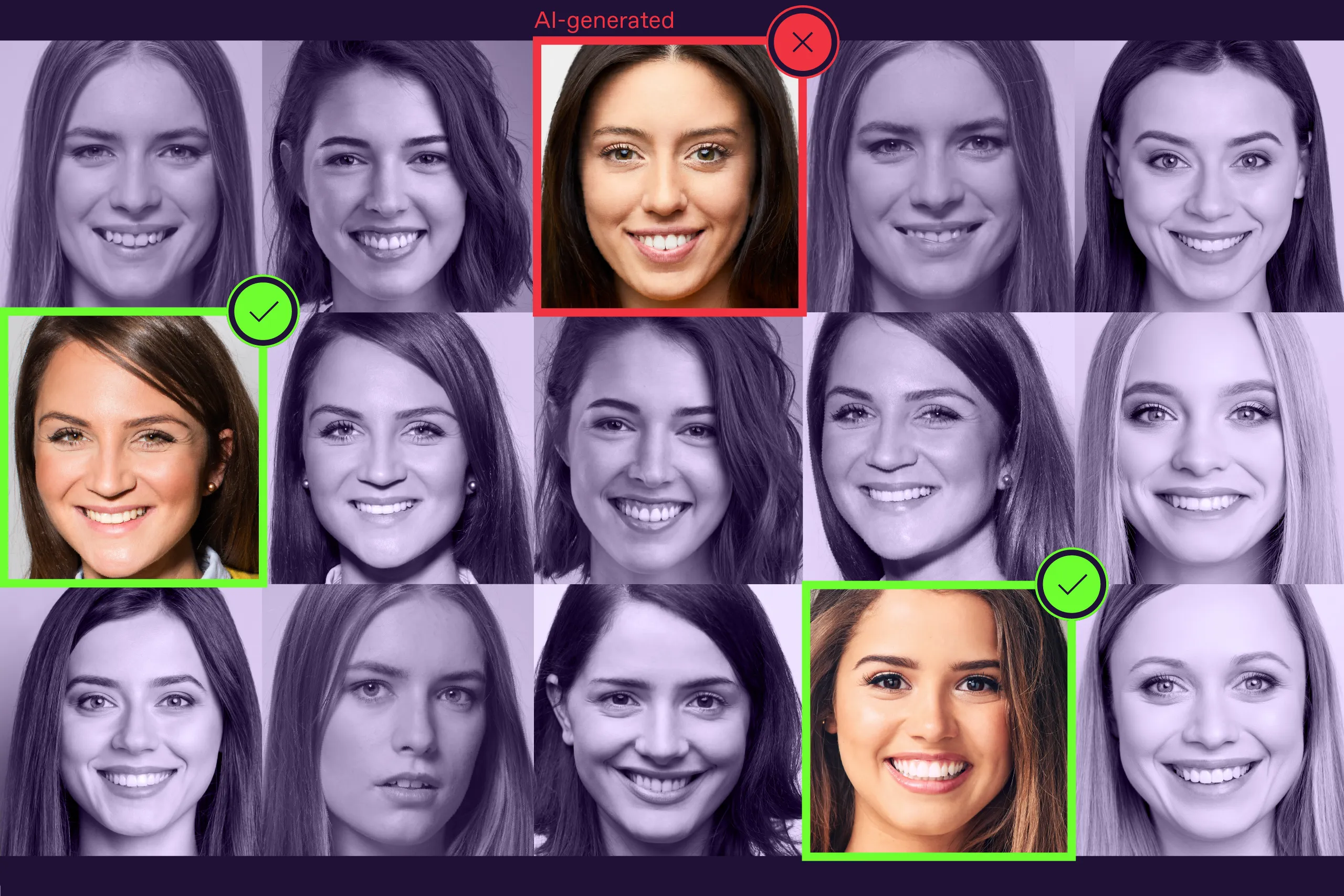
Begin by verifying the user's identity using multiple factors. This step combines document authentication with biometric verification to ensure the person is who they claim to be. Microsoft Learn emphasizes that Zero Trust requires strict identity verification for every access request, forming the foundation of the security model [src-serp-4]. This initial proofing should be robust enough to prevent synthetic identity fraud but streamlined to avoid unnecessary delays.
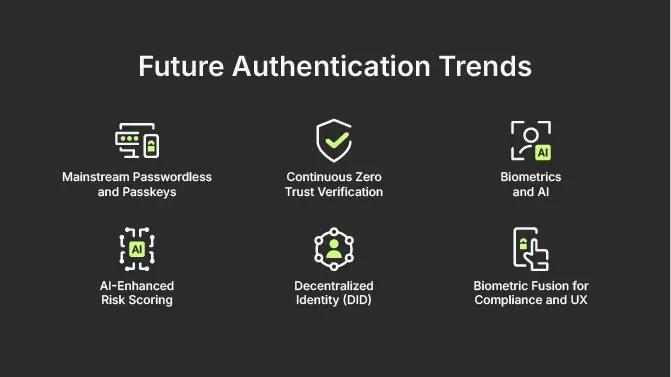
Once the identity baseline is established, enforce MFA for all subsequent interactions. This ensures that even if credentials are compromised, unauthorized access is blocked. The goal is to verify every user, app, and machine identity continuously, not just at the login screen. This layer of security is essential for maintaining the "verify" aspect of the "trust but verify" principle inherent in Zero Trust frameworks.
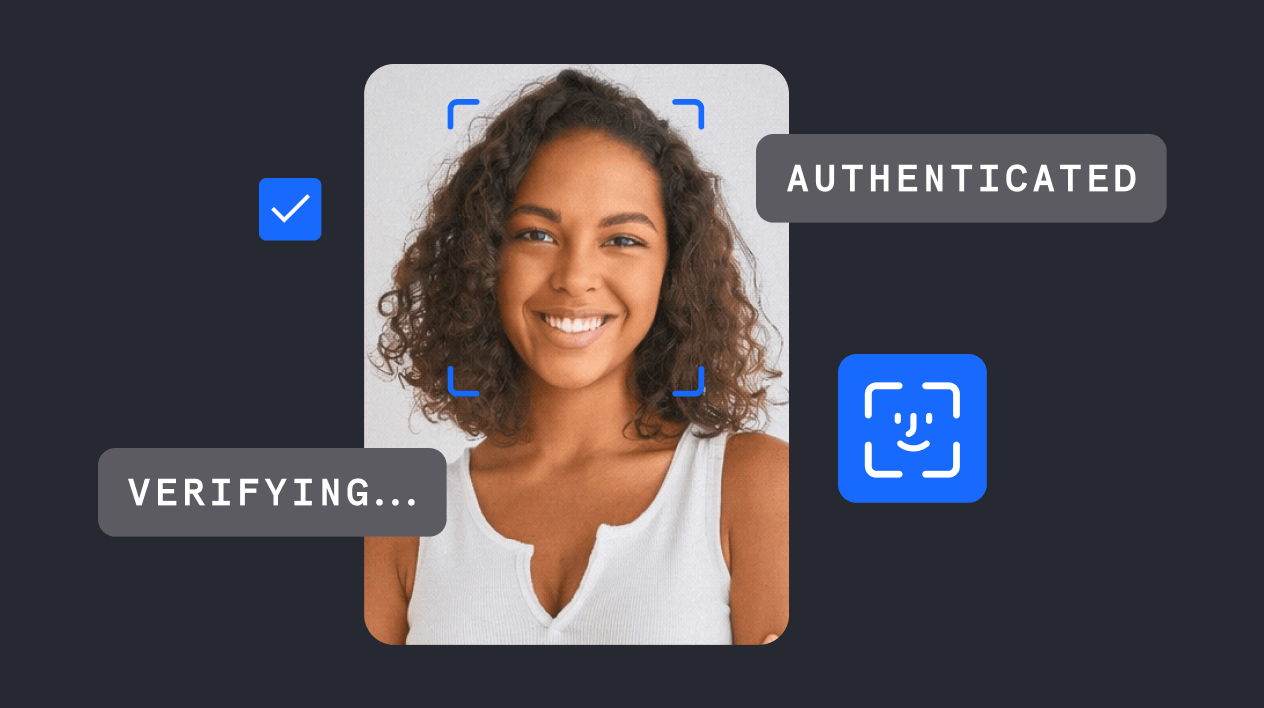
Implement real-time behavioral analytics to monitor user activity post-onboarding. This system flags anomalies such as unusual login locations or transaction patterns that deviate from the established baseline. By continuously assessing risk, you can trigger additional verification steps only when necessary, keeping the experience frictionless for low-risk activities while maintaining security for high-risk actions.
Use automated rules to adjust security requirements based on the current risk level. Low-risk transactions should proceed without interruption, while high-risk events prompt step-up authentication. This dynamic approach ensures that security measures are proportional to the threat, reducing false positives and improving the overall user experience. The system should adapt quickly to changing threat landscapes without manual intervention.
Regularly audit your KYC Zero Trust policies to ensure they align with current regulations and emerging threats. As new fraud techniques emerge, your verification methods must evolve. This involves reviewing logs, updating risk models, and ensuring that your identity proofing tools remain effective against the latest attacks. Continuous improvement is key to maintaining a resilient Zero Trust architecture.
Balancing UX and Security
Traditional KYC onboarding often feels like a bureaucratic wall. Users face lengthy document uploads, manual data entry, and unpredictable review times. This friction drives away potential customers before a relationship begins. The goal of KYC Zero Trust is to remove these barriers without lowering security standards.
AI-driven verification changes the dynamic by automating identity checks in real time. Instead of waiting days for manual approval, systems analyze documents and biometric data instantly. This approach maintains strict access controls while keeping the user experience smooth. It treats every interaction as a potential risk, verifying identity continuously rather than just at the start.
The difference between legacy methods and modern AI verification is stark. Legacy systems rely on static checks that often fail to catch sophisticated fraud. AI models adapt to new threats and reduce false positives that frustrate legitimate users. This balance ensures compliance without sacrificing conversion rates.

Comparison: Friction vs. Verification
The table below contrasts the outcomes of traditional KYC processes against AI-driven Zero Trust verification. Understanding these differences helps teams choose the right approach for their compliance needs.
| Feature | Traditional KYC | Zero Trust AI |
|---|---|---|
| Verification Speed | Hours to days | Seconds to minutes |
| User Friction | High (manual uploads) | Low (automated capture) |
| Fraud Detection | Static rule-based | Dynamic behavioral analysis |
| Drop-off Rate | High | Significantly reduced |
Common Zero Trust Misconceptions
Organizations often stumble on KYC Zero Trust implementation not because the technology fails, but because the concept is misunderstood. Two persistent myths delay adoption and distort compliance strategies.
"Zero Trust Means Trust No One"
The name itself invites confusion. Zero Trust does not mean you should distrust your customers or employees. It means you do not grant implicit access. As former President Ronald Reagan famously said, "Trust, but verify." In a KYC context, this means you verify identity continuously rather than trusting a one-time login. You build trust through rigorous, automated verification, not by lowering standards.
"Zero Trust Eliminates User Friction"
Many assume that strict security automatically creates a bad user experience. This is false. The goal of modern KYC Zero Trust is to reduce friction for legitimate users by automating verification. When identity is verified instantly and securely, you remove the need for manual reviews and repetitive data entry. The result is a smoother onboarding flow, not a harder one. Friction is only high when verification is slow or unclear, not when it is secure and transparent.
Frequently Asked Questions About KYC Zero Trust
What is zero trust verification?
Zero Trust is a security framework that assumes no user, device, or application should be inherently trusted, regardless of their location. In the context of KYC Zero Trust, this means every access request requires strict identity verification and authorization. It enforces security policies based on the principle of least privilege, ensuring that only verified entities can access specific data or functions.
What three key security platforms do you need for zero trust?
A robust zero trust architecture relies on verifying every user, app, and machine identity. The three core components typically include Multi-Factor Authentication (MFA) for strong identity proofing, Single Sign-On (SSO) to streamline access while maintaining control, and behavior analytics to detect anomalies in real-time. Together, these platforms ensure that trust is never assumed but always validated through continuous monitoring.
Is zero trust "trust but verify"?
Yes, zero trust aligns with the "trust but verify" principle. It does not mean distrusting everyone, but rather that trust is never given without validation. Instead of granting implicit trust to users inside a network, zero trust requires continuous verification of identity and context for every interaction. This approach balances operational efficiency with rigorous security standards.
No comments yet. Be the first to share your thoughts!