
What KYC Zero Actually Means
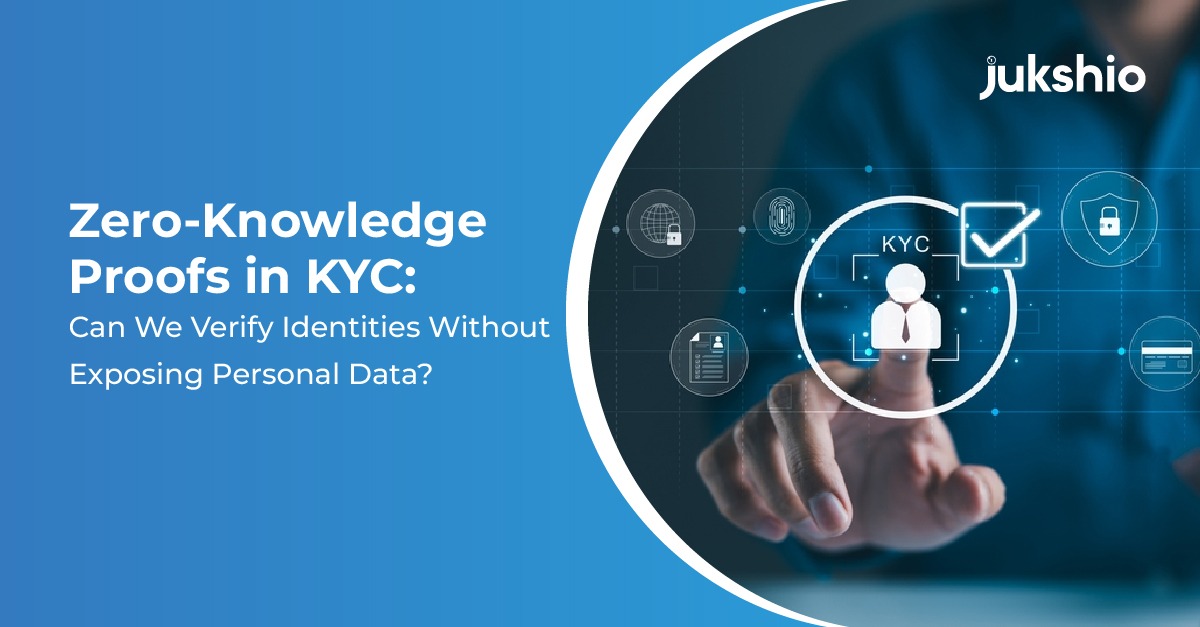
The term "KYC Zero" often triggers immediate confusion, with many readers assuming it describes platforms that operate without any identity verification. This is a misunderstanding of the technology. KYC Zero does not mean the absence of Know Your Customer checks; rather, it refers to a specific cryptographic approach using Zero-Knowledge Proofs (ZKPs) to satisfy those checks.
In traditional compliance workflows, users must upload government-issued IDs, selfies, and proof of address to a central server. The platform stores these sensitive documents to verify identity. KYC Zero flips this model. It allows a user to prove they meet specific compliance criteria—such as being over 18, a resident of the European Union, or not on a sanctions list—while keeping their personal data private.
Think of it like a nightclub bouncer who needs to verify your age. In the old model, you hand over your driver's license, and the bouncer memorizes your name, address, and license number. In a KYC Zero model, you hand over a sealed envelope that only opens if your ID shows you are over 21. The bouncer knows you are eligible to enter, but they never see, store, or copy your actual identity documents.
This distinction is critical for understanding the regulatory landscape. Services labeled as "KYC Zero" are not evading regulations. They are using advanced cryptography to minimize data exposure. By ensuring that no platform ever holds the raw identity data, the risk of massive data breaches is significantly reduced. The verification still happens, but the sensitive personal information remains with the user or a trusted third party, never entering the platform's database.
How Zero-Knowledge Proofs Work in Practice
KYC Zero shifts the burden of verification away from the platform and onto a cryptographic proof. Instead of uploading raw identity documents to every service, users interact with a trusted issuer once. That issuer validates the identity and issues a signed credential. The user then uses that credential to generate a zero-knowledge proof (ZKP) that satisfies the platform's specific rules without revealing their personal details.
This mechanism relies on three distinct parties: the issuer, the user, and the verifier. The issuer is a trusted entity, such as a government agency or a certified digital identity provider, that confirms the user's identity details. The verifier is the platform requiring compliance, such as a cryptocurrency exchange or a financial service. The user holds the credential and generates the proof. The platform never sees the user's name, address, or ID number; it only sees the mathematical proof that the requirements are met.
The process begins when a user submits their identity documents to a trusted issuer. This issuer performs the actual Know Your Customer checks, verifying the authenticity of the documents and the identity of the person. This step happens only once or when credentials expire, reducing repetitive friction for the user.
Once verification is complete, the issuer creates a digital credential containing the user's verified attributes. This credential is cryptographically signed by the issuer, ensuring its integrity and authenticity. The user stores this credential securely in their digital wallet, where it remains under their control.

When a platform requires verification, the user generates a zero-knowledge proof based on their credential. This proof demonstrates that specific conditions are met, such as being over 18 or residing in the EU, without revealing the actual age or location. As noted by Zyphe, this allows a verifier to confirm a statement about a customer is true without ever seeing the underlying data.
The platform receives the proof and verifies its cryptographic validity. Because the proof is generated from a credential signed by a trusted issuer, the platform can trust the result without needing to re-verify the user's identity. This validation happens instantly, allowing for seamless onboarding while maintaining strict regulatory compliance.
This workflow ensures that KYC Zero remains privacy-preserving. The platform gains the assurance it needs for regulatory purposes, while the user retains control over their personal information. No sensitive data is stored on the platform's servers, significantly reducing the risk of data breaches affecting identity details.
Regulatory acceptance and eIDAS 2.0
KYC Zero is moving from theoretical cryptography to practical compliance through the European Union’s eIDAS 2.0 regulation. This framework establishes the legal basis for self-sovereign identity, allowing citizens to hold verifiable credentials in digital wallets and share them with service providers without revealing unnecessary personal data. The regulation specifically supports privacy-preserving technologies, creating a direct pathway for zero-knowledge proofs to satisfy identity verification requirements.
The European Blockchain Services Infrastructure (EBSI), a joint initiative by the European Commission and EU member states, is actively testing these capabilities. EBSI provides the technical infrastructure for cross-border recognition of digital identities and credentials. By integrating zero-knowledge proof mechanisms into this infrastructure, regulators can verify attributes—such as age or residency status—without accessing the underlying raw identity data. This aligns with the core principle of KYC Zero: proving compliance while minimizing data exposure.
Concurrently, the new Anti-Money Laundering Authority (AMLA) is developing guidelines that emphasize risk-based approaches to customer due diligence. These guidelines encourage financial institutions to adopt innovative verification methods that reduce friction while maintaining security. The combination of eIDAS 2.0’s legal recognition of digital credentials and AMLA’s flexible risk framework creates a supportive environment for KYC Zero adoption.
This regulatory shift allows organizations to implement privacy-first compliance strategies. Instead of collecting and storing sensitive documents like passports or utility bills, institutions can rely on cryptographically verified proofs. This reduces the burden of data protection and lowers the risk of large-scale data breaches. As more jurisdictions observe the EU’s approach, the global standard for identity verification is likely to evolve toward these zero-knowledge models.
Compliance Checklist for Implementation
Transitioning to KYC Zero requires verifying that the underlying architecture meets regulatory standards for data minimization and auditability. Compliance officers must ensure that the system generates cryptographic proofs without exposing the raw personal data that traditional KYC processes require. The following checklist outlines the essential technical and operational criteria for evaluating a KYC Zero provider.
-
Verify trusted issuer partnerships: Ensure the KYC Zero solution integrates with recognized credential issuers who have established trust frameworks. This guarantees that the initial verification of identity is robust before zero-knowledge proofs are generated.
-
Confirm clear predicate definitions: The system must allow precise specification of what is being proved (e.g., age > 18, jurisdiction = EU) without revealing unnecessary attributes. Ambiguous predicates can lead to compliance gaps or rejection by regulated entities.
-
Audit immutable proof logs: While personal data is minimized, the system must maintain an immutable log of proof generation and verification events. This provides the necessary audit trail for regulatory examinations without storing sensitive PII.
-
Ensure regulatory alignment: The solution should explicitly support compliance with relevant frameworks such as GDPR’s data minimization principles or FATF Travel Rule requirements for virtual assets. Verify that the cryptographic methods are approved for use in your jurisdiction.
Implementing KYC Zero is not just a technical upgrade; it is a shift in how compliance data is managed. By focusing on these four areas, organizations can maintain rigorous oversight while significantly reducing their data liability.
Frequently Asked Questions About KYC Zero
Is KYC Zero legal and compliant? Yes. KYC Zero operates within existing regulatory frameworks, including the EU’s eIDAS 2.0 and GDPR. It does not bypass compliance; it changes how data is handled. By using zero-knowledge proofs, organizations can verify identity attributes without storing sensitive personal information, aligning with privacy-by-design principles [1].
Does KYC Zero store my ID documents? No. Traditional KYC stores copies of passports or driver’s licenses. KYC Zero generates cryptographic proofs that confirm you meet specific criteria (e.g., over 18, resident of a specific country) without revealing the underlying data. Your ID document remains private [2].
Is KYC Zero slower than traditional verification? No. In fact, it is often faster. Because there is no manual review of document images or storage of large files, the verification process is automated and instant. Users submit a proof, and the system verifies it cryptographically in seconds [1].
Can I use KYC Zero across different platforms? Yes. One of the main benefits of KYC Zero is interoperability. Once you have a verified credential, you can reuse it across multiple services without re-submitting documents. This reduces friction for users and lowers compliance costs for providers [2].
No comments yet. Be the first to share your thoughts!