
Defining kyc zero trust
KYC zero trust is a security model that eliminates implicit trust in identity verification. It replaces static, one-time checks with continuous, privacy-preserving validation. This approach treats every access request as a potential threat, regardless of whether the user is inside or outside the network perimeter.
Zero trust is a security strategy, not a product. It operates on the principle of "never trust, always verify" for every access request. This definition is consistent across major industry frameworks. Microsoft Learn describes it as an approach to designing and implementing security principles rather than a specific service. Cloudflare notes that it maintains strict access controls by not trusting anyone by default. IBM adds that it verifies identity continuously rather than granting implicit trust to users inside a network.
In the context of KYC, this means identity verification is not a single gate at onboarding. It is an ongoing process that re-evaluates risk signals in real time. This reduces the attack surface for identity fraud and ensures compliance with evolving regulatory standards. The model prioritizes least-privilege access and continuous monitoring over static credentials.
This framework aligns with official guidance from organizations like CISA and Microsoft. It provides a structured way to manage identity risks without relying on traditional perimeter defenses. For legal and compliance teams, this shift represents a move from reactive verification to proactive, continuous assurance.
Core principles of automated verification
Automated KYC systems in a zero trust architecture operate on the premise that no user or device is inherently trusted, regardless of network location. Compliance is no longer a static checkpoint but a continuous state of verification. This shift requires three technical pillars: least privilege access, continuous monitoring, and micro-segmentation of identity data.
Least privilege access
Least privilege access ensures that automated verification engines only request and retain the specific data points necessary for a compliance outcome. By removing redundant permissions, organizations reduce the attack surface available to malicious actors. If a breach occurs, the limited scope of access prevents lateral movement and minimizes the volume of exposed personal identifiable information (PII). This principle aligns with regulatory data minimization requirements, ensuring that data collection is strictly proportional to the verification task.
Continuous monitoring
Traditional KYC checks often end after the initial onboarding phase. Zero trust demands continuous monitoring of identity signals and transaction behaviors. Systems must constantly verify that the entity presenting credentials remains consistent with established risk profiles. As noted by the Canadian Centre for Cyber Security, this visibility allows operators to log behavior and verify compliance to policies in real time. Automated systems can flag anomalies—such as sudden changes in device fingerprints or geolocation discrepancies—before they result in fraud or regulatory breaches.
Micro-segmentation of identity data
Micro-segmentation isolates identity data into discrete, secure zones within the verification infrastructure. Instead of storing all KYC documents in a single repository, data is segmented by risk level and access requirement. This containment strategy ensures that a compromise in one segment does not expose the entire identity database. It allows security teams to apply granular access controls and encryption standards tailored to specific data types, such as biometric templates versus standard government IDs.
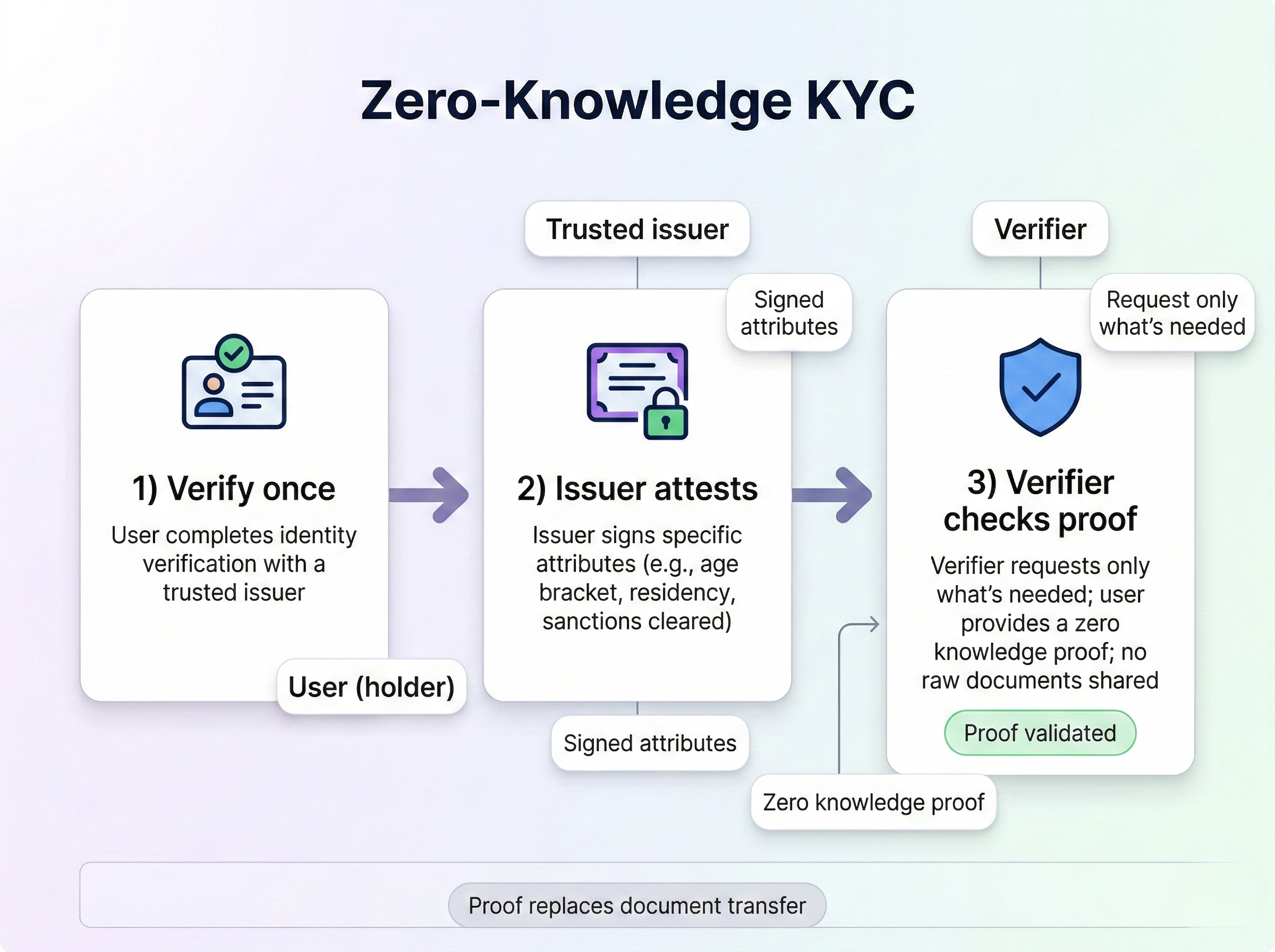
2026 regulatory landscape overview
The regulatory environment for financial institutions in 2026 has shifted from voluntary adoption to mandatory implementation of zero-trust architectures. This transition is driven by updated anti-money laundering (AML) directives and stringent data privacy laws that require continuous verification of identity and access. Regulators now expect financial entities to treat every access request as potentially hostile, regardless of its origin within or outside the network perimeter.
Key regulatory drivers include the European Union’s updated AML package, which imposes stricter requirements on transaction monitoring and customer due diligence. These directives mandate that institutions implement real-time identity verification mechanisms that align with zero-trust principles. Similarly, data privacy regulations in the United States and other jurisdictions emphasize the protection of sensitive customer data through encryption and strict access controls, further reinforcing the need for a zero-trust framework.
The concept of zero trust is no longer merely a security best practice but a regulatory expectation. As defined by Microsoft Learn, zero trust is a security strategy that serves as an approach for designing and implementing security principles rather than a single product or service. This distinction is critical for compliance officers who must map technical implementations to specific regulatory requirements.
Institutional compliance teams are increasingly relying on automated KYC solutions to meet these demands. These solutions integrate identity verification, risk assessment, and ongoing monitoring into a unified zero-trust architecture. By automating these processes, financial institutions can ensure they meet the rigorous standards set by regulators while maintaining operational efficiency.
Regulators now expect continuous verification of customer identity rather than one-time checks at onboarding. This requires integrating real-time data sources and behavioral analytics to detect anomalies as they occur.
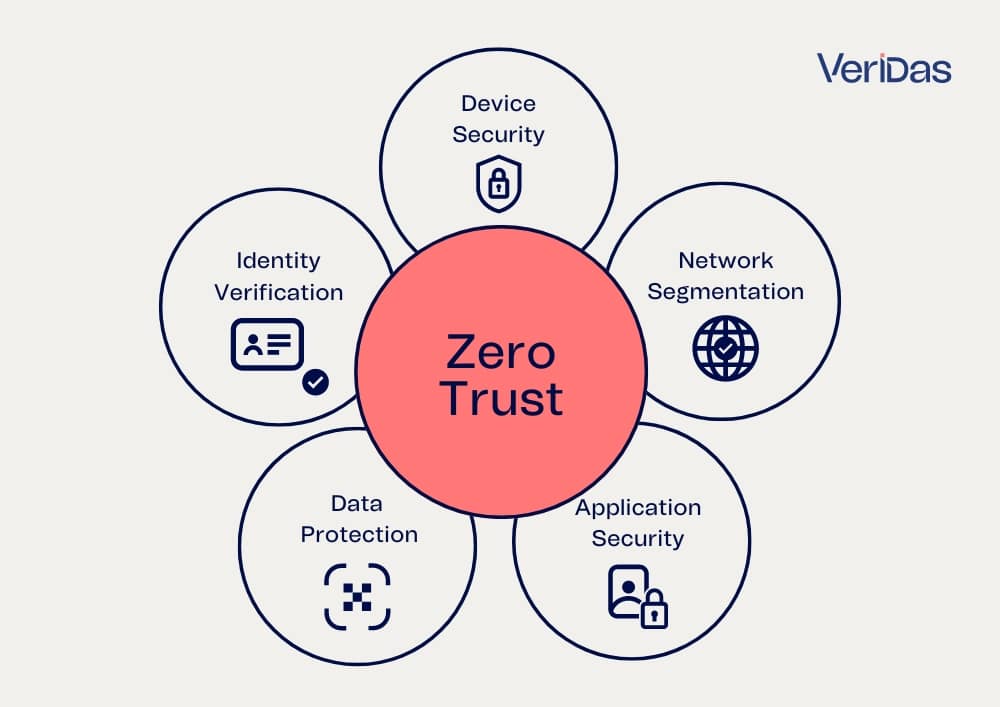
Network micro-segmentation limits lateral movement by dividing the network into smaller, isolated zones. This ensures that even if a breach occurs, the impact is contained, aligning with regulatory expectations for data protection.

Automated reporting tools streamline the documentation process, ensuring that institutions can quickly provide evidence of compliance during regulatory audits. This reduces the risk of human error and improves the accuracy of reporting.
Implementing privacy-preserving checks
Zero trust architecture redefines verification by assuming no implicit trust, even for internal users. This model requires continuous authentication and strict access controls, which aligns naturally with the data minimization principles mandated by GDPR and CCPA. By verifying identity at every step rather than relying on perimeter defenses, organizations can enforce privacy-preserving checks that limit data exposure.
Zero-knowledge proofs (ZKPs) serve as a critical technical mechanism within this framework. ZKPs allow a verifier to confirm that a user meets specific KYC criteria—such as being over 18 or residing in a permitted jurisdiction—without revealing the underlying personal data. This cryptographic approach ensures that sensitive identity attributes remain with the user, significantly reducing the liability associated with data breaches.
Implementing these checks requires integrating identity providers with zero-knowledge verification layers. According to Cyber.gc.ca, zero trust enables operators to closely log behavior and activities to verify compliance to policies, ensuring that every access request is auditable without storing excessive personal information. This visibility supports regulatory reporting while maintaining user privacy.
Google Cloud defines zero trust as a security model where no person or device is trusted by default. In the context of KYC, this means that even after initial identity verification, subsequent transactions or access events must be re-evaluated against current risk profiles. This continuous verification loop prevents credential sharing and identity theft, which are common vectors for compliance failures.
The integration of privacy-preserving checks into zero trust systems creates a robust defense against both external attacks and internal misuse. By minimizing the data collected and processed, organizations reduce their attack surface and align with the principle of least privilege. This approach not only satisfies regulatory requirements but also builds trust with customers who are increasingly concerned about data privacy.
Zero Trust Provider Comparison
Selecting a vendor for identity-driven KYC requires evaluating how well their security architecture aligns with regulatory verification needs. The following comparison highlights three prominent providers, focusing on their identity verification capabilities, micro-segmentation strategies, and support for compliance frameworks.
| Provider | Identity Verification | Micro-Segmentation | Compliance Support |
|---|---|---|---|
| Palo Alto Networks | Continuous authentication via Prisma Access | Network-based segmentation with CNAPP integration | Supports SOC 2, ISO 27001, and GDPR |
| Microsoft | Azure AD identity protection and conditional access | Microsoft Defender for Cloud integration | Extensive regulatory templates and automation |
| Cloudflare | Zero Trust Network Access (ZTNA) verification | Per-request policy enforcement at the edge | HIPAA, PCI DSS, and ISO 27018 certified |
Palo Alto Networks fuses network micro-segmentation with identity verification, ensuring that only authorized traffic enters each segment. This approach is particularly effective for organizations requiring granular control over application visibility. Microsoft offers robust identity protection through Azure AD, leveraging conditional access policies to verify user context continuously. Cloudflare provides edge-based verification, enforcing policies on every request regardless of user location. Each vendor supports major compliance frameworks, but the integration depth varies based on existing infrastructure.
Compliance Readiness Checklist
Organizations must align their KYC infrastructure with zero trust principles before 2026 regulatory deadlines. This framework relies on strict access controls and continuous verification rather than implicit trust, as defined by Microsoft Learn and Cloudflare.
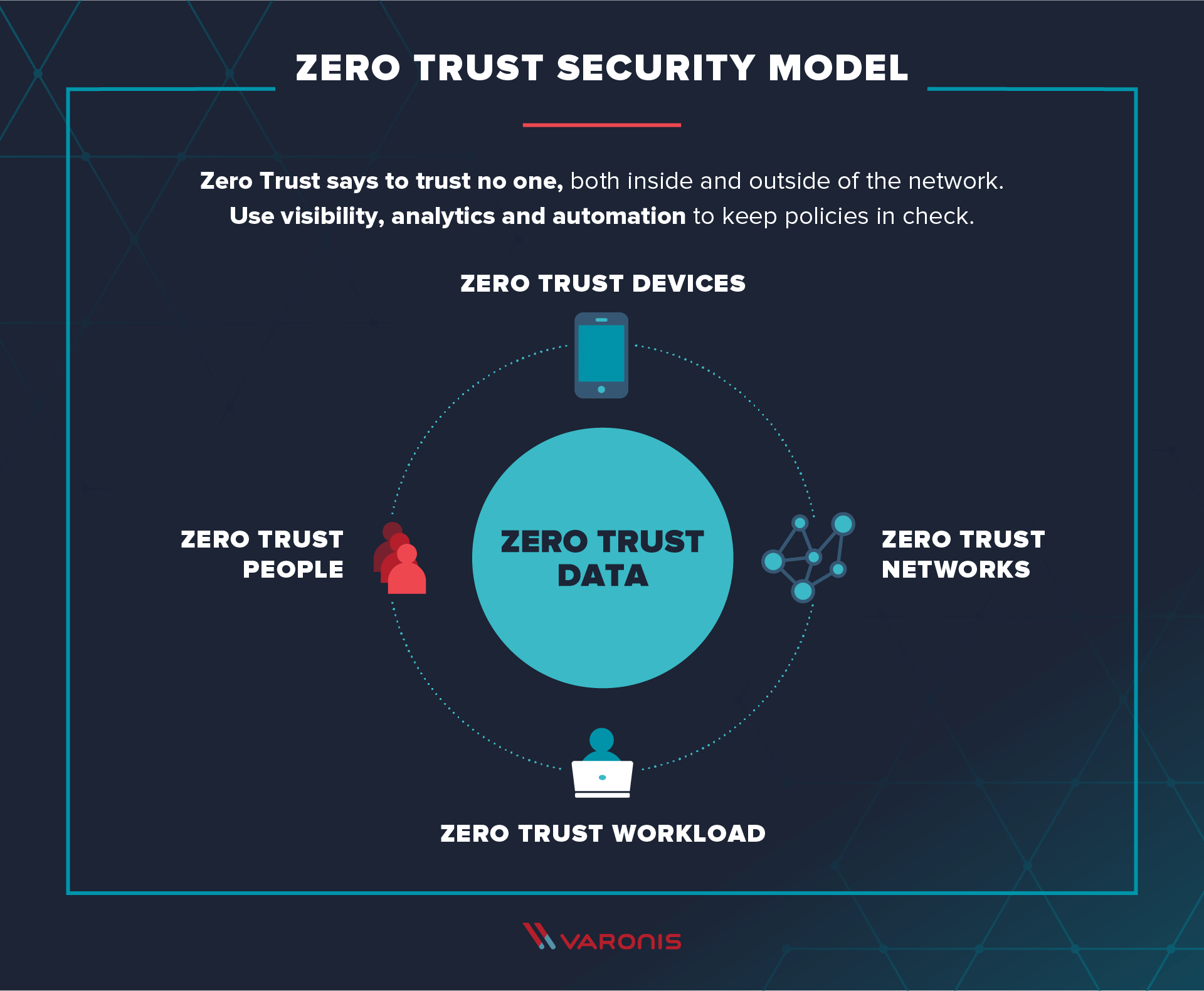
Use this checklist to audit your current systems against core zero trust requirements.
- Verify identity for every user and device before granting access.
- Enforce least-privilege access across all KYC data repositories.
- Implement continuous monitoring to detect anomalous behavior.
- Segment networks to isolate sensitive customer verification data.
- Automate compliance reporting to meet evolving jurisdictional standards.
Frequently asked: what to check next
How does zero trust apply to KYC?
Zero Trust operates on the principle of "never trust, always verify." In a KYC context, this means assuming threats exist both outside and inside the network. Every access request to customer data or compliance records must be authenticated and authorized before granting entry, regardless of the user's location. This approach minimizes the risk of data breaches during identity verification processes.
Which providers support identity-driven zero trust?
Organizations building a Zero Trust security architecture often look to providers like Palo Alto Networks. They fuse network micro-segmentation with identity verification and continuous threat inspection. Their infrastructure helps drive visibility into applications, ensuring that only verified traffic enters each micro-segment. This is critical for maintaining the integrity of sensitive KYC data flows.
What are the main implementation challenges?
Implementing zero trust requires continuous monitoring and strict access controls. It often involves significant changes to existing network infrastructure and identity management systems. Organizations must ensure that every device, user, and application is verified before accessing resources. This can be complex in hybrid environments where legacy systems still interact with modern cloud-based KYC tools.
No comments yet. Be the first to share your thoughts!