

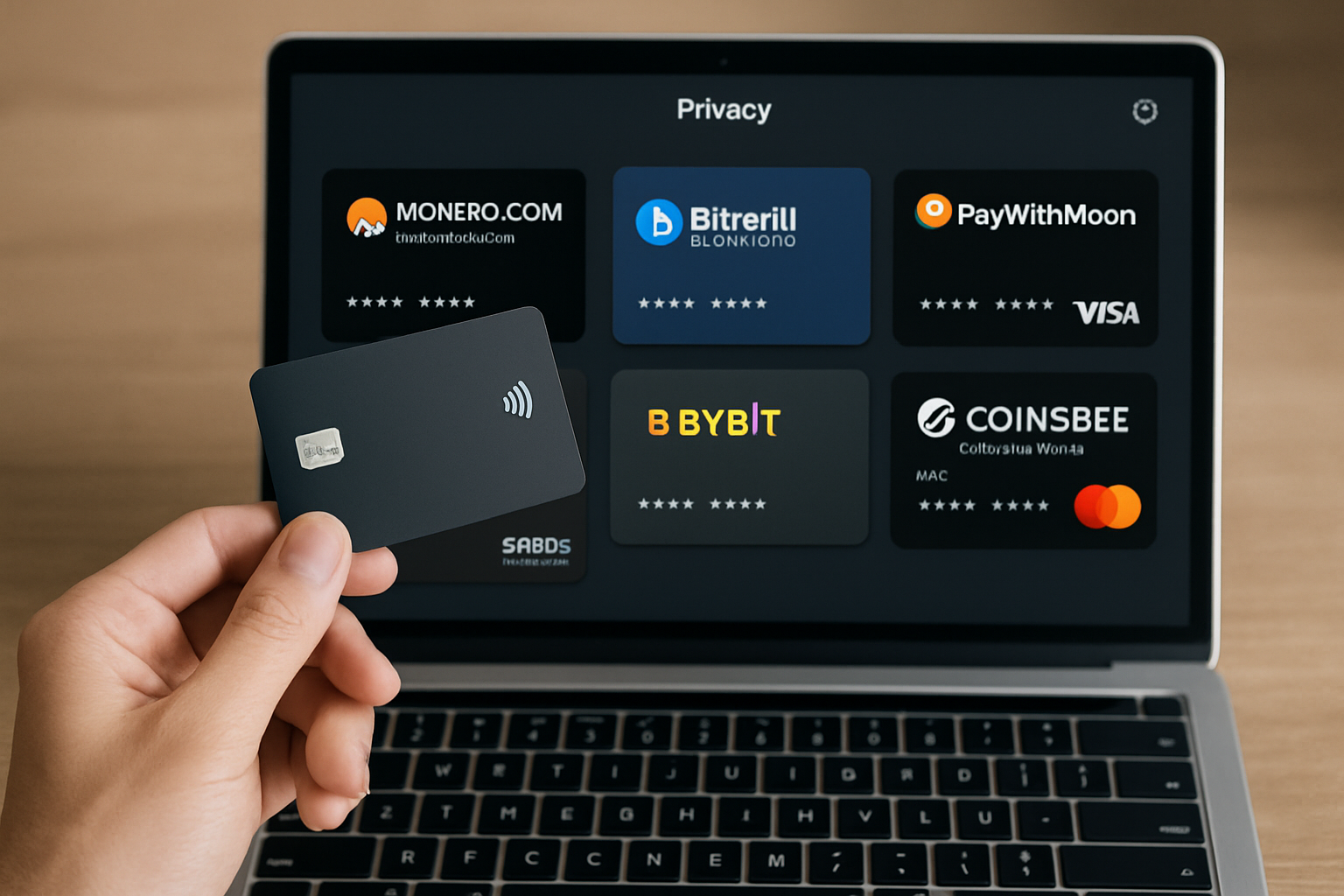
For privacy-focused crypto enthusiasts, the search for a truly no-KYC crypto card in 2025 is both more challenging and more crucial than ever. Regulatory scrutiny has forced many providers to tighten verification processes, but a select group of innovative platforms still enables users to spend their digital assets with minimal or zero identity checks. If you value discretion and want to retain control over your personal data, these six cards stand out as the best options for private crypto spending this year.
Why No-KYC Crypto Cards Still Matter in 2025
Despite shifting regulations, the demand for anonymous crypto cards remains strong. For many, it's not just about avoiding bureaucracy; it's about protecting sensitive information from data breaches, maintaining financial autonomy, and resisting intrusive surveillance. Whether you’re a digital nomad, a privacy maximalist, or simply value the option to transact discreetly, the right no-KYC card can be an essential tool.
"The best privacy tools are the ones that work seamlessly in the background, letting you live your life without compromise. "
Below, we dive into six standout choices for 2025. Each card offers unique advantages, from true anonymity to creative workarounds like prepaid gift cards and minimal-verification solutions. Let’s explore how they compare, what makes them unique, and which one might fit your needs best.
The 6 Best No-KYC Crypto Cards for Maximum Privacy
6 Best No-KYC Crypto Cards for 2025
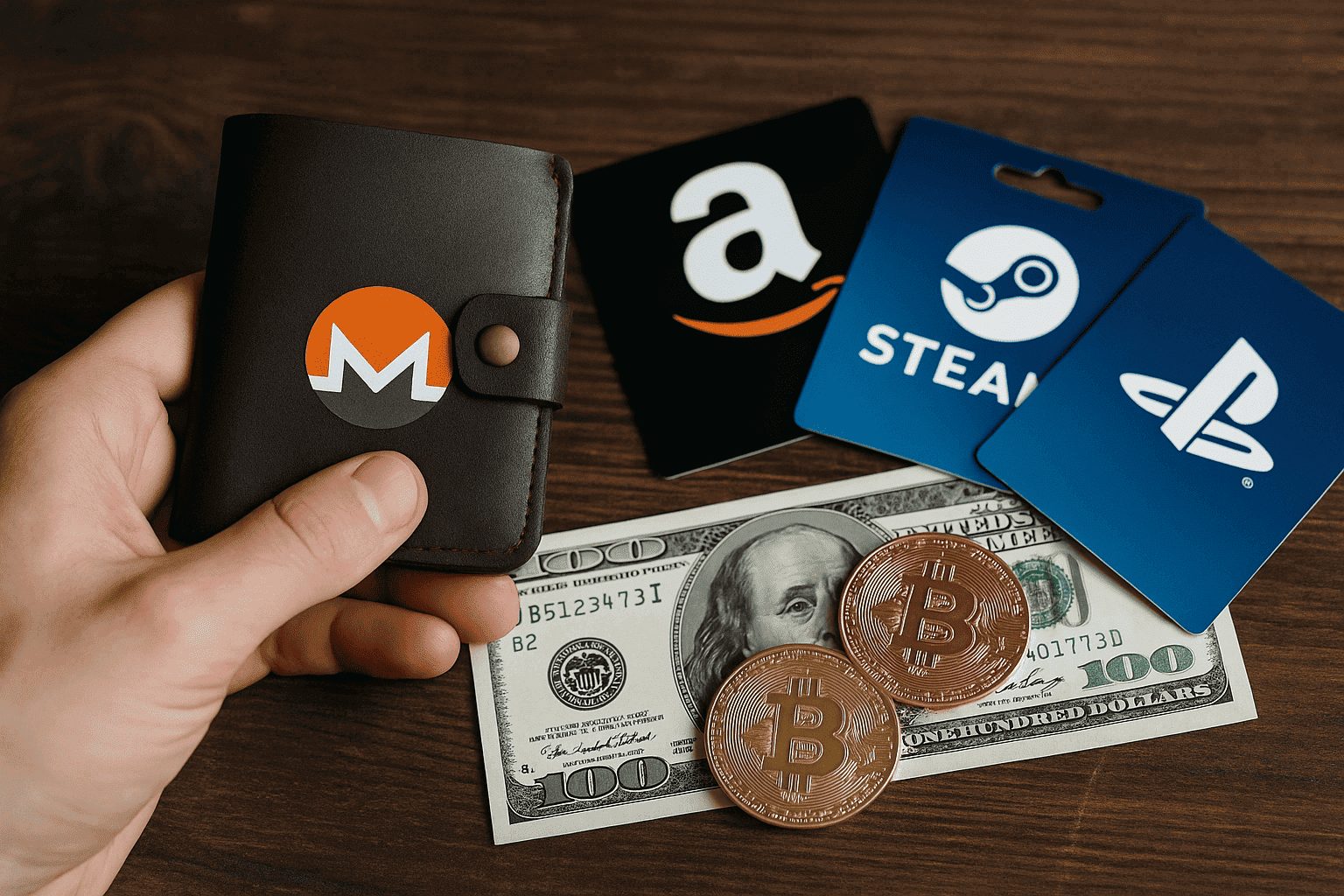
- Monero.com Virtual Card (by Cake Pay): Designed for privacy advocates, this virtual card lets you spend Monero (XMR) without KYC. Powered by Cake Pay, it enables private transactions and is accepted at millions of merchants online. No identity verification is required, making it a top choice for those seeking true anonymity.
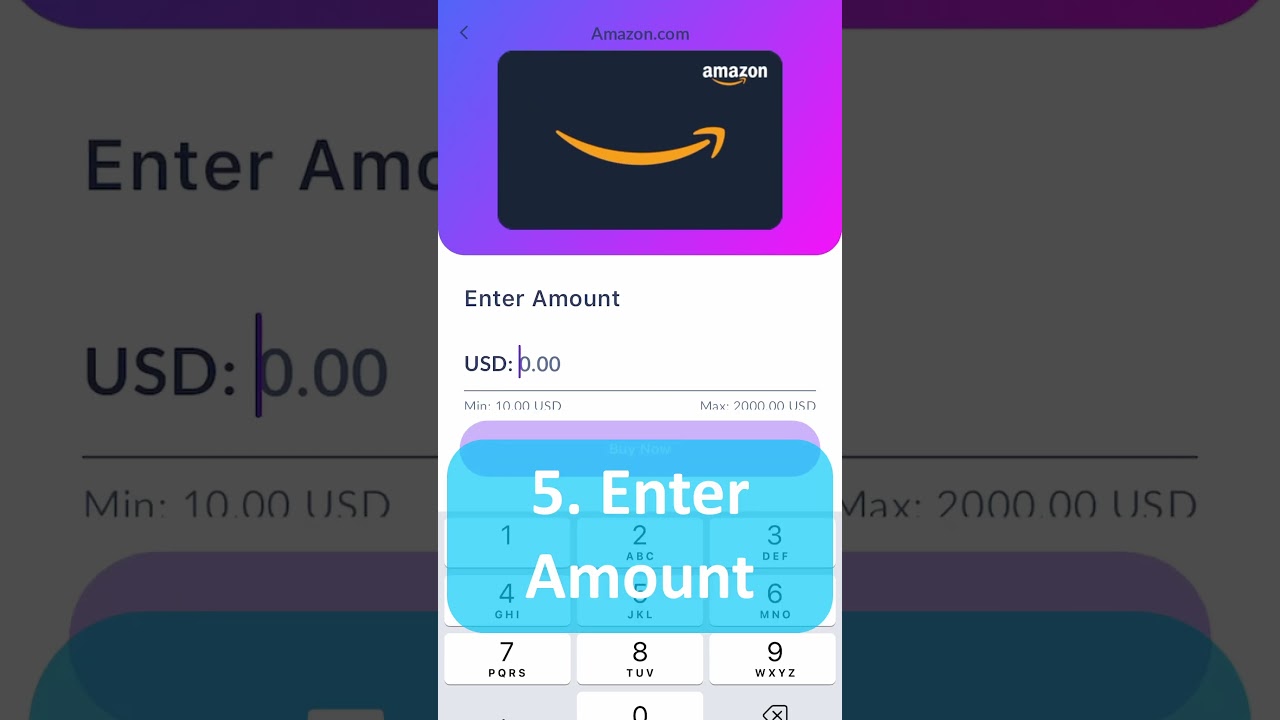
- Bitrefill Crypto Card (Gift Card Solution): Bitrefill offers a unique no-KYC alternative by letting users buy gift cards for global brands with crypto. No registration or ID needed—simply pay with Bitcoin, Ethereum, or other coins and receive digital gift cards instantly. Ideal for spending crypto privately at major retailers.
- PayWithMoon Bitcoin Visa Card: PayWithMoon issues a virtual Visa card that can be loaded with Bitcoin and used at any online merchant accepting Visa. No KYC is required for virtual cards, and the service supports seamless, private crypto spending in the US and select regions.
- Satoshis Cards (Prepaid Crypto Cards): Satoshis Cards provides prepaid Visa and Mastercard options that can be funded with Bitcoin and other cryptocurrencies—no ID or verification process required. Cards are delivered digitally and work worldwide, supporting private, borderless spending.
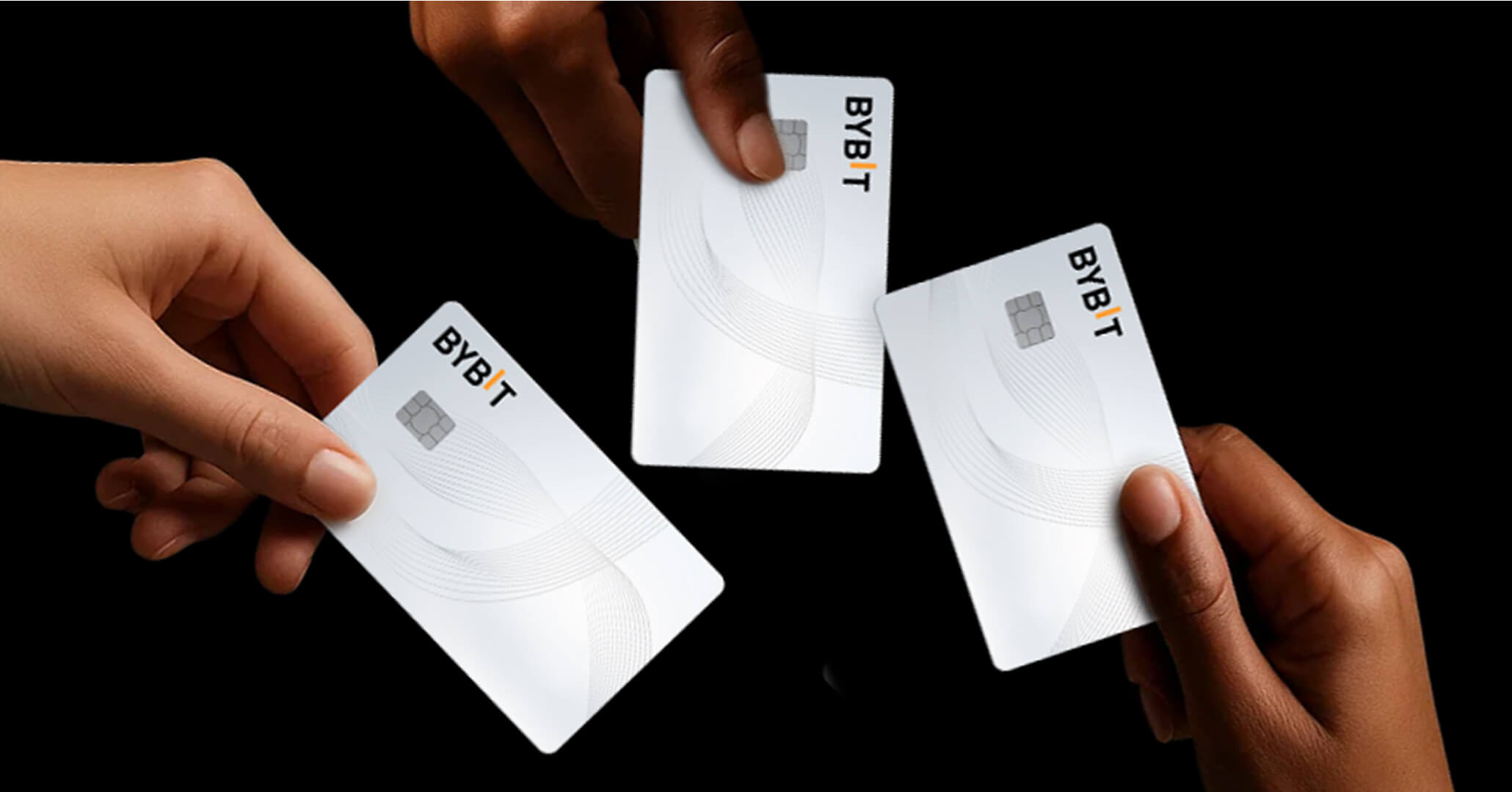
- Bybit Card (No-KYC Option): While Bybit typically requires KYC, it offers a no-KYC virtual card option for limited spending. Users can convert crypto to fiat and spend via Mastercard, enjoying enhanced privacy and global usability for everyday purchases.
- Coinsbee Crypto Prepaid Mastercard: Coinsbee enables users to buy prepaid Mastercards with Bitcoin, Ethereum, and other cryptocurrencies. No account or ID is needed—just select your card, pay with crypto, and receive a code for immediate use. A practical, anonymous solution for spending crypto worldwide.
1. Monero. com Virtual Card (by Cake Pay)
The Monero. com Virtual Card is tailor-made for those who want the highest level of transactional privacy. Powered by Cake Pay, this virtual Visa card lets you spend crypto online or in-store without ever submitting identification documents. Funded directly with XMR, it leverages Monero’s privacy technology to keep your spending habits shielded from prying eyes. The card can be instantly issued and linked to Apple Pay or Google Pay, making it practical for everyday use. It’s a top choice for anyone who refuses to compromise on anonymity.
2. Bitrefill Crypto Card (Gift Card Solution)
Bitrefill isn’t a traditional debit card, but its gift card ecosystem is a powerful workaround for those who want to spend crypto privately. With no KYC required, you can instantly purchase gift cards for thousands of global retailers using Bitcoin, Ethereum, or even privacy coins like Monero. This approach offers near-total anonymity and flexibility, just buy a gift card, use it at your favorite store, and leave no trace. For many, Bitrefill is the ultimate tool for frictionless, private everyday spending.
3. PayWithMoon Bitcoin Visa Card
The PayWithMoon Bitcoin Visa Card offers a unique browser extension-based solution for private spending. With no formal KYC process, users can generate single-use or reloadable Visa cards funded directly with Bitcoin or Lightning payments. These cards are accepted anywhere Visa is, online or in-store, and can be topped up as needed. PayWithMoon’s approach is ideal for those who want to maintain privacy while enjoying the full convenience of a mainstream payment network.
Comparing Features: Privacy, Fees, and Usability
| Card | KYC Required? | Supported Cryptos | Spending Limits | Fees |
|---|---|---|---|---|
| Monero. com Virtual Card | No | XMR | $5,000/month | $10 issuance, ~1% transaction fee |
| Bitrefill Crypto Card (Gift Cards) | No | BTC, ETH, XMR, USDT, more | Varies by retailer (usually $10-$1,000/card) | No extra fees beyond crypto network fees |
| PayWithMoon Bitcoin Visa Card | No | BTC, Lightning BTC | $1,000/card (reloadable) | $1.50/card, ~1% load fee |
The next three cards, Satoshis Cards, Bybit Card (No-KYC Option), and Coinsbee Crypto Prepaid Mastercard, offer additional approaches to private crypto spending. Each has its own strengths in terms of accessibility, card type, and supported currencies. We’ll explore these options in detail in the second half of this guide.
If you’re ready to compare these options side by side or want a deeper dive into their pros and cons, see our full comparison at 6 Best No-KYC Crypto Credit Cards to Use in 2025 for Maximum Privacy.
4. Satoshis Cards (Prepaid Crypto Cards)
Satoshis Cards stand out for their simplicity and wide accessibility. These prepaid crypto cards can be purchased instantly using Bitcoin, Ethereum, or USDT, with no identity verification required. Once funded, you receive a virtual Visa or Mastercard number that’s ready to use for online shopping or digital subscriptions. The cards typically have flexible denominations (from $10 up to $1,000), making them suitable for both small everyday purchases and larger transactions. Satoshis Cards are especially popular among users who want a hassle-free way to spend crypto without exposing personal data.
5. Bybit Card (No-KYC Option)
The Bybit Card is a relative newcomer but has quickly gained traction thanks to its no-KYC option for lower spending tiers. While Bybit’s main exchange requires verification for larger withdrawals, their card product allows users to order a virtual debit card with just an email address and basic account setup, no passport or government ID needed. Supported cryptocurrencies include BTC, ETH, and USDT. The card is accepted globally and can be linked with Apple Pay or Google Pay for seamless mobile payments. For those who want a blend of exchange liquidity and privacy, Bybit’s solution is worth considering.
6. Coinsbee Crypto Prepaid Mastercard
Coinsbee takes the prepaid route one step further by offering instant-issue prepaid Mastercards funded directly with dozens of cryptocurrencies, no KYC required for most denominations under regulatory thresholds (typically up to $900 per card). Choose your amount, pay in your preferred coin (BTC, ETH, DOGE, XMR), and receive your virtual Mastercard details within minutes. This flexibility makes Coinsbee a favorite among privacy advocates who want global acceptance without the paperwork. The service also supports recurring purchases of prepaid cards for ongoing needs.
How to Choose the Right No-KYC Crypto Card for You
Selecting the best crypto card without identity verification depends on your priorities:
- Anonymity: Monero. com Virtual Card and Bitrefill offer the highest privacy.
- Everyday Usability: PayWithMoon and Coinsbee provide mainstream payment options.
- Simplicity: Satoshis Cards are easy to obtain with minimal setup.
- Exchange Integration: Bybit Card links directly with an established trading platform.
If you’re looking for more detailed breakdowns or want to explore additional options as regulations shift through 2025, check our ongoing updates at Best No-KYC Crypto Credit Cards for 2025: Full List and User Reviews.
Staying Safe: Tips for Using No-KYC Crypto Cards Responsibly
- Avoid large balances: Only load what you plan to spend soon; no-KYC cards may lack robust fraud protection.
- Monitor providers: Regulatory changes can impact service availability, stay updated on policy shifts.
- Use reputable sources: Always purchase from official platforms; beware of phishing sites offering fake cards.
- Diversify tools: Consider combining gift card solutions like Bitrefill with virtual debit cards for maximum flexibility.
The landscape of private crypto debit cards continues to evolve rapidly as privacy remains both a priority and a challenge in today’s regulatory climate. With these six options, each carefully selected for their balance of usability and discretion, you can maintain financial freedom while protecting your personal information throughout 2025 and beyond.




No comments yet. Be the first to share your thoughts!