
The demand for no-KYC crypto credit cards in 2025 is being shaped by tightening regulations and a growing user base seeking privacy and financial autonomy. While fully anonymous cards are increasingly rare, a select group of providers still offer low or minimal KYC requirements, making them attractive options for privacy-focused crypto users. This article presents an in-depth comparison of the 9 best no-KYC and low-KYC crypto credit and debit cards for 2025, focusing on their privacy features, supported cryptocurrencies, fees, and usability.
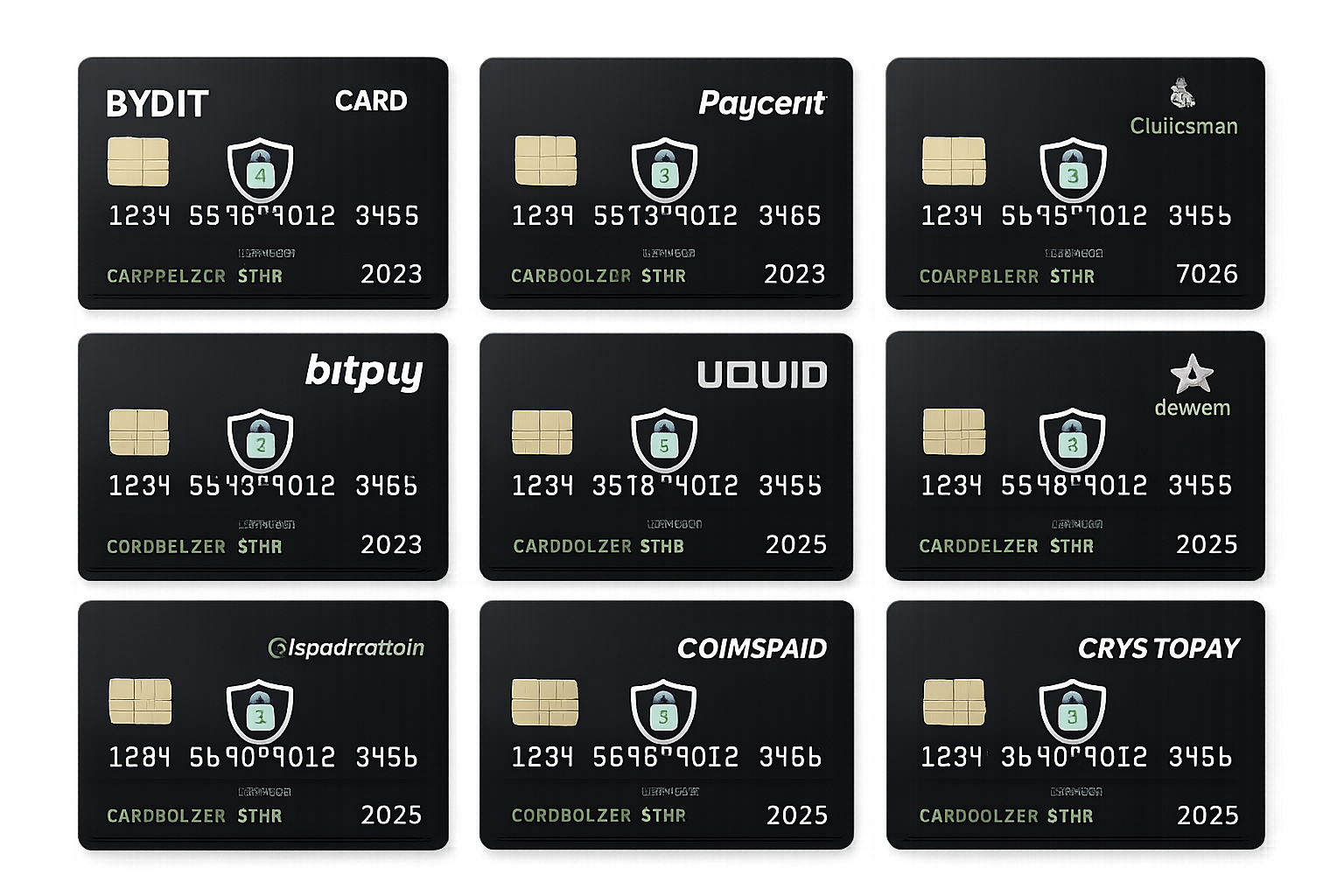
Why No-KYC Crypto Cards Matter in 2025
As global regulators increase oversight of cryptocurrency transactions, most mainstream crypto card issuers now require full identity verification. However, for those who value privacy, several reputable cards still offer minimal or no KYC, especially for virtual cards or lower spending limits. These cards allow users to spend Bitcoin and other cryptocurrencies without linking every transaction to their legal identity, providing a layer of financial freedom that traditional cards cannot match.
Top 9 No-KYC Crypto Credit and Debit Cards for 2025
Top 9 No-KYC Crypto Credit & Debit Cards for 2025
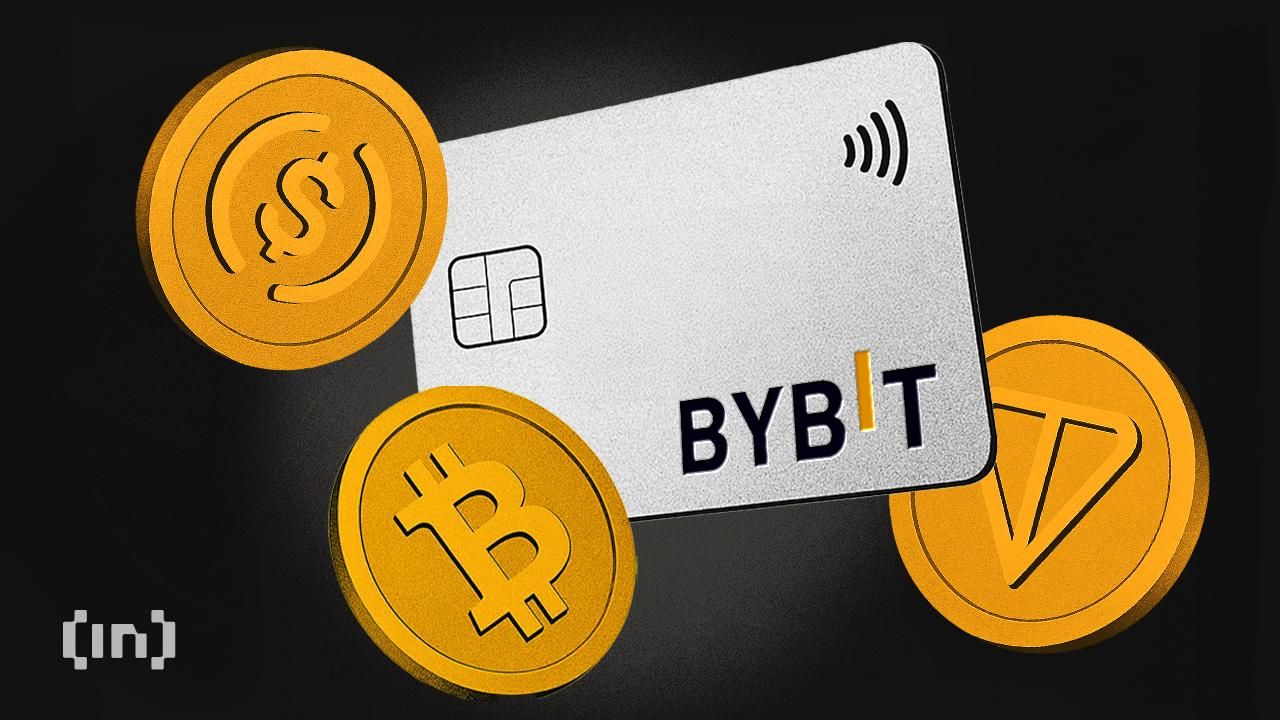
- Bybit Card (Virtual): A virtual crypto debit card from Bybit, offering easy crypto-to-fiat conversion and global online spending. Requires minimal KYC for virtual card issuance and supports major cryptocurrencies like BTC, ETH, and USDT.
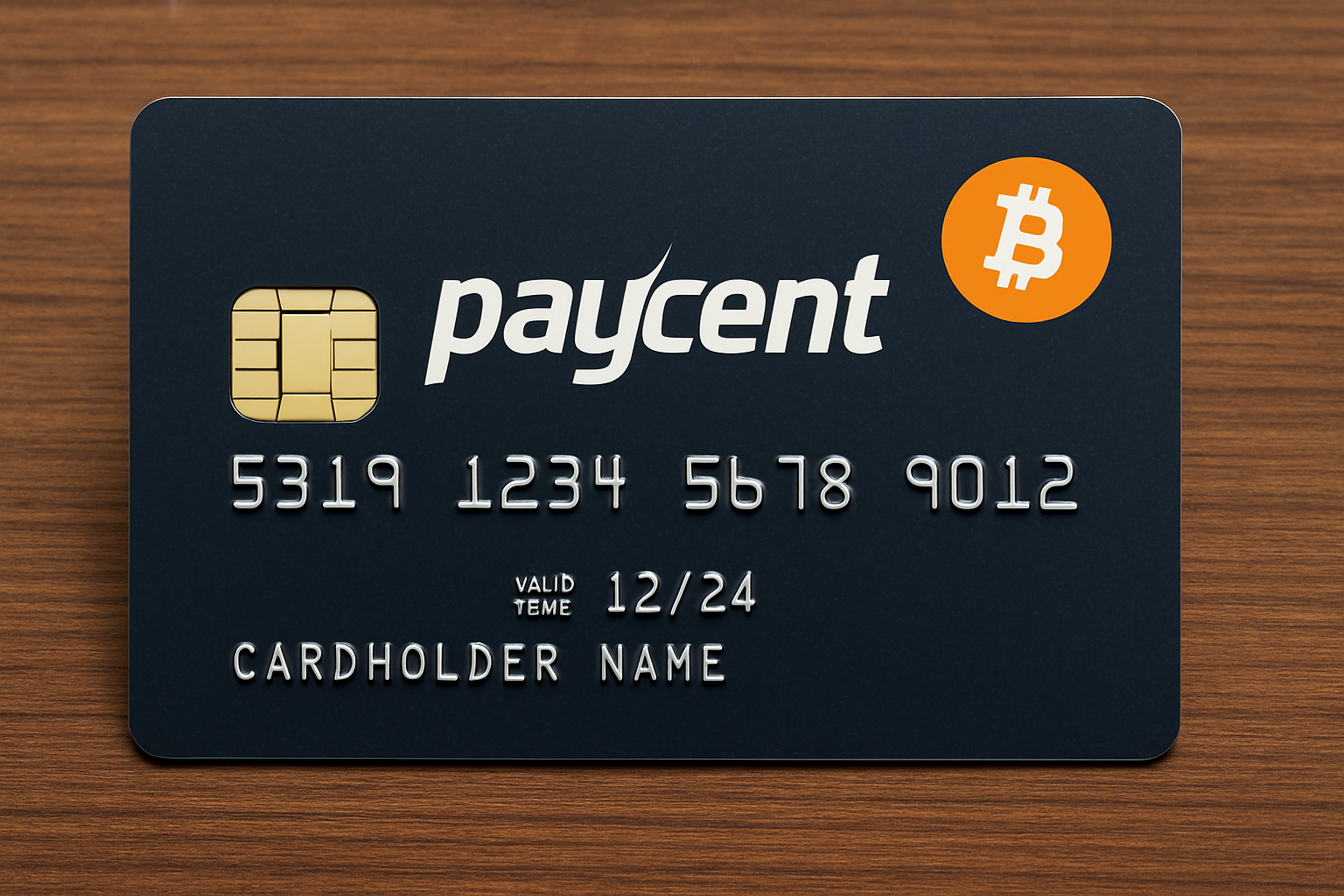
- Paycent Crypto Card: A multi-currency crypto debit card supporting BTC, ETH, LTC, and more. Paycent offers both virtual and physical cards with low KYC requirements, enabling users to spend crypto globally and withdraw at ATMs.
- ClubSwan Card: A premium crypto card with multi-currency support, including BTC, ETH, and USDT. ClubSwan offers global spending and ATM withdrawals with streamlined, low-level KYC, focusing on privacy and convenience.

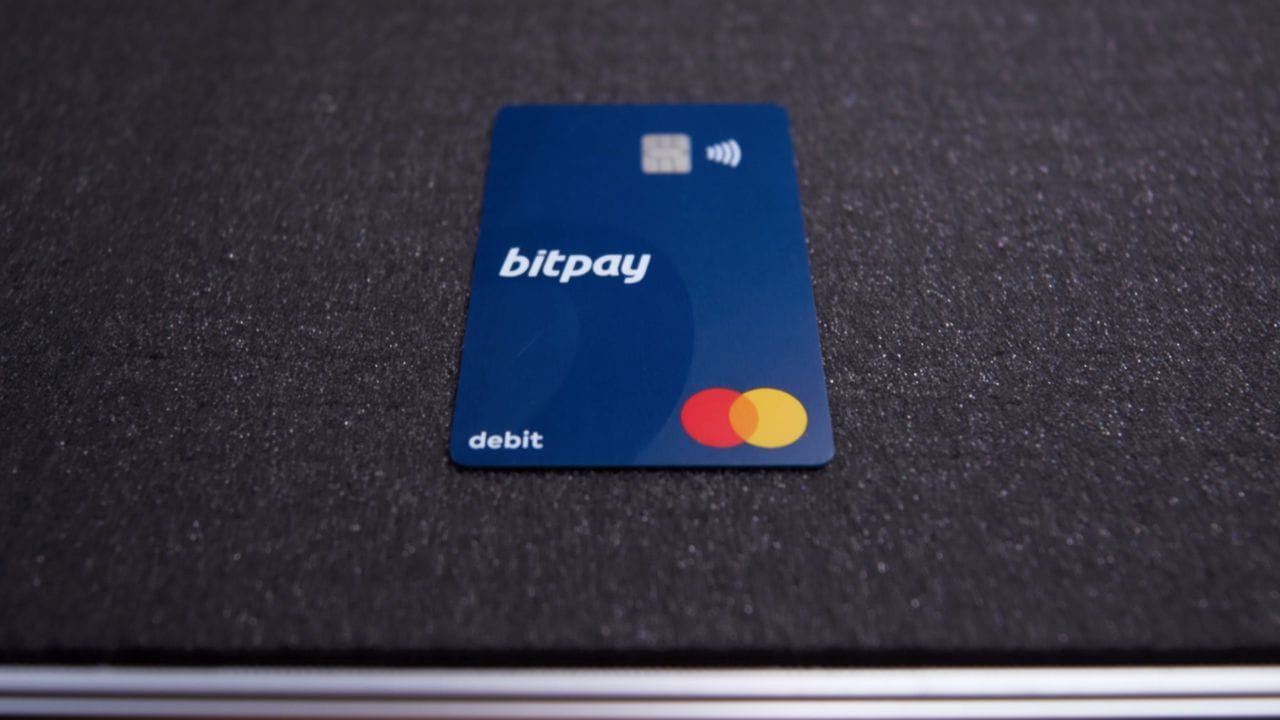
- Bitpay Prepaid Mastercard (Virtual): Bitpay’s virtual card allows users to convert crypto to USD for online purchases. The virtual card requires only minimal KYC, making it accessible for privacy-conscious users in supported regions.
- Uquid Virtual Crypto Card: Uquid offers a virtual crypto card with support for over 100 cryptocurrencies. It features instant issuance, low KYC, and is ideal for anonymous online spending and bill payments.

- Advcash Crypto Card: Advcash provides both virtual and physical crypto cards with minimal KYC for lower limits. The card supports multiple cryptocurrencies and fiat currencies, with fast top-ups and global acceptance.

- SpectroCoin Debit Card (Virtual): SpectroCoin’s virtual debit card offers low KYC requirements, supporting BTC, ETH, and other major coins. It enables easy online spending and seamless crypto-to-fiat conversion.
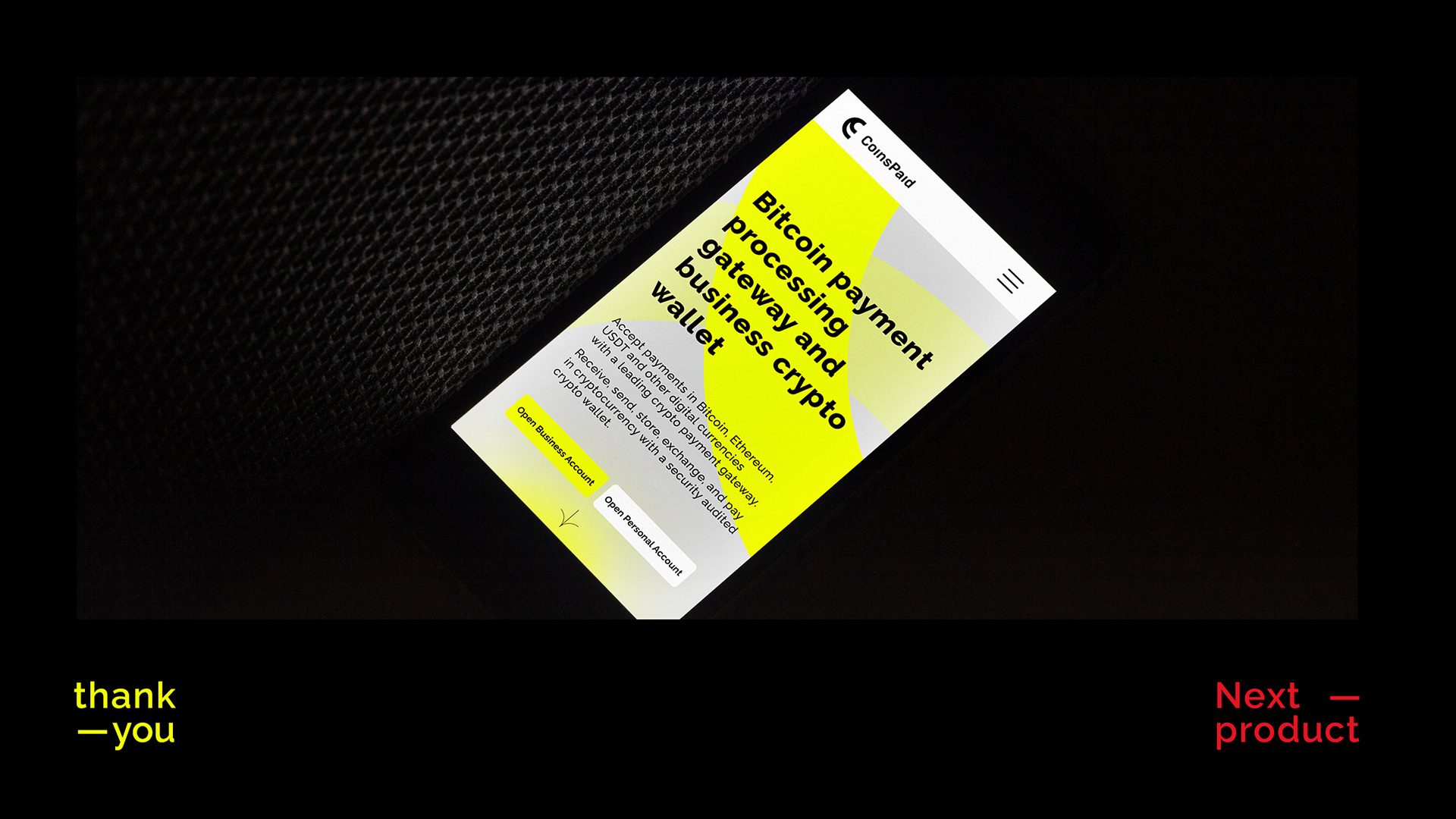
- CoinsPaid Crypto Card: CoinsPaid offers a crypto card solution with minimal KYC, supporting a wide range of cryptocurrencies. It features fast issuance, global usability, and integration with the CoinsPaid wallet ecosystem.
- Cryptopay Prepaid Card: Cryptopay provides both virtual and physical prepaid cards with low KYC thresholds. The card supports BTC, LTC, XRP, and more, allowing for convenient crypto spending and ATM withdrawals worldwide.

1. Bybit Card (Virtual)
The Bybit Card offers a virtual-only solution for those seeking fast access to crypto spending with minimal verification. Users can top up with BTC, ETH, and USDT, and spend globally online. Bybit’s KYC threshold allows small to moderate spending with just an email and phone number, making it suitable for users who prioritize speed and privacy.
2. Paycent Crypto Card
Paycent remains a leading choice for multi-currency crypto spending with low KYC requirements. The card supports BTC, LTC, ETH, and more. While physical cards may require basic verification, virtual cards can often be obtained with just an email registration and wallet funding.
3. ClubSwan Card
ClubSwan targets high-net-worth individuals and frequent travelers looking for flexible crypto-to-fiat conversion. The card supports multiple cryptocurrencies and offers concierge services. ClubSwan’s onboarding process allows for relatively high limits before requiring full KYC, but users should review the latest terms as thresholds may shift due to evolving regulations.
4. Bitpay Prepaid Mastercard (Virtual)
The Bitpay Prepaid Mastercard is recognized for its low-barrier virtual card option. While physical cards require more documentation, the virtual version can be activated with minimal KYC, typically just an email and wallet address, enabling quick access to online purchases funded by BTC or other supported assets.
Key Privacy Features and Considerations
Each card on this list is selected not only for its ease of use but also for its commitment to user privacy. Here are some important considerations when selecting a no-KYC crypto credit card:
- KYC Thresholds: Most cards allow higher limits or physical issuance only after additional verification; always check current thresholds.
- Supported Cryptocurrencies: Look for cards that support your preferred coins, BTC and USDT are widely accepted, but options like ETH or LTC may matter depending on your holdings.
- Fee Structure: Virtual cards often have lower issuance fees and maintenance costs compared to physical versions.
5. Uquid Virtual Crypto Card
The Uquid Virtual Crypto Card specializes in anonymous online payments and supports over 100 cryptocurrencies. With a straightforward registration process and no ID upload required for lower-tier usage, Uquid appeals to users looking for maximum flexibility and privacy in digital spending.
6. Advcash Crypto Card
Advcash offers both virtual and physical cards with minimal KYC options for smaller limits. The platform is known for its fast issuance and support for Bitcoin as well as major stablecoins. Advcash’s dashboard allows seamless conversion between fiat and crypto balances.
7. SpectroCoin Debit Card (Virtual)
SpectroCoin’s virtual debit card stands out due to its low KYC requirements and instant issuance process. Users can fund their card using BTC, ETH, USDT, or other popular assets without extensive identity checks, ideal for those who want immediate access to their crypto funds online.
8. CoinsPaid Crypto Card
The CoinsPaid Crypto Card is designed for users who prioritize both privacy and broad crypto support. With minimal KYC for virtual card issuance, CoinsPaid enables spending with BTC, ETH, and major stablecoins. The card is accepted globally for online purchases, and its user interface is streamlined for quick funding and transaction monitoring. While physical cards may require more verification, the virtual option remains a popular choice for those seeking discretion without sacrificing usability.
9. Cryptopay Prepaid Card
Cryptopay offers a versatile prepaid card that appeals to privacy-focused users thanks to its low KYC requirements for virtual cards. Users can top up with Bitcoin or other supported cryptocurrencies and use the card for everyday online transactions. Cryptopay’s dashboard provides transparent fee structures and spending controls, making it simple to manage your crypto balance while maintaining a degree of anonymity. For higher limits or physical cards, additional verification will be necessary, but entry-level access remains accessible for most privacy-conscious users.
As regulatory frameworks evolve, even the most privacy-oriented crypto cards must strike a balance between compliance and user autonomy. Staying informed about these shifts is crucial for anyone relying on no-KYC solutions in 2025.
How to Maximize Privacy with No-KYC Crypto Cards
To get the most out of your no-KYC or low-KYC crypto credit card, consider these practical privacy strategies:
- Use privacy-first wallets: Fund your card from wallets that don’t require personal information, such as open-source or decentralized options.
- Separate identities: Avoid linking your crypto card account email or phone number to other services tied to your real identity.
- Monitor spending limits: Stay under KYC thresholds to maintain minimal disclosure; check your provider’s latest terms regularly.
- Review transaction history: Regularly audit your spending and top-ups to spot any anomalies or leaks of personal data.
Comparing Fees, Limits, and Supported Assets
The landscape is diverse when it comes to fees and supported cryptocurrencies. For example, Bybit Card and SpectroCoin focus on low-cost virtual issuance and common coins like BTC and USDT, while Uquid expands into altcoins with competitive load fees. CoinsPaid and Advcash are recognized for instant issuance and easy integration with stablecoins. ClubSwan stands out for higher limits and premium perks but at the cost of stricter onboarding above certain thresholds.
If you’re looking for a quick overview of how these cards stack up on fees, limits, and supported assets, see our detailed comparison below:
Comparison of No-KYC & Low-KYC Crypto Credit Cards for 2025
| Card Name | KYC Level | Fees | Supported Coins | Issuance Type |
|---|---|---|---|---|
| Bybit Card (Virtual) | Minimal KYC (virtual only) | Low transaction fees; no monthly fee | BTC, ETH, USDT, USDC, XRP, and more | Virtual |
| Paycent Crypto Card | Low KYC (limits before full KYC) | Card issuance: $49; ATM withdrawal: $3.50; FX: 2.5% | BTC, ETH, LTC, DASH, XRP, and more | Physical & Virtual |
| ClubSwan Card | Tiered KYC (higher tiers require more KYC) | Monthly: $15-$35; Loading: 2% | BTC, ETH, LTC, BCH, and more | Physical & Virtual |
| Bitpay Prepaid Mastercard (Virtual) | Minimal KYC (virtual card) | No issuance fee; Transaction: $0; ATM: $2.50 | BTC, BCH, ETH, LTC, DOGE, USDC, DAI, and more | Virtual |
| Uquid Virtual Crypto Card | Minimal KYC (virtual only) | Issuance: $16.99; Loading: 1%; ATM: $2.50 | BTC, ETH, USDT, BNB, and more | Virtual |
| Advcash Crypto Card | Low KYC (limits before full KYC) | Issuance: $5; Maintenance: $1/month; ATM: $2.50 | BTC, ETH, BCH, LTC, USDT, and more | Physical & Virtual |
| SpectroCoin Debit Card (Virtual) | Low KYC (virtual only) | Issuance: €9; Loading: 1%; ATM: €2.50 | BTC, ETH, USDT, XEM, and more | Virtual |
| CoinsPaid Crypto Card | Minimal KYC (virtual only) | Issuance: $10; Transaction: 1% | BTC, ETH, USDT, and more | Virtual |
| Cryptopay Prepaid Card | Low KYC (limits before full KYC) | Issuance: €5; Maintenance: €1/month; ATM: €2.50 | BTC, ETH, LTC, XRP | Physical & Virtual |
Staying Ahead: The Future of Anonymous Crypto Spending
While true anonymity is harder to guarantee as regulations tighten globally in 2025, these nine cards remain at the forefront for users who value privacy without sacrificing convenience. Whether you seek a fast-issuing virtual card like Bitpay or SpectroCoin or prefer multi-currency support from Paycent or Uquid, options still exist for those willing to adapt to evolving compliance landscapes.
For more detailed reviews and up-to-date market trends on privacy-focused cards this year, explore our latest guide at Top 10 No-KYC Crypto Credit Cards for 2025: Anonymous Spending with Crypto.




No comments yet. Be the first to share your thoughts!