
Biometric KYC in 2026: The Shift to Self-Sovereign Identity
The traditional KYC model—submitting passport scans and waiting days for manual review—is rapidly becoming obsolete. By 2026, the convergence of biometric technology and self-sovereign identity (SSI) frameworks is creating a system where identity is portable, secure, and user-controlled. This shift isn't just about convenience; it's about closing the security gaps that legacy verification methods leave open.
Biometric verification in 2026 moves beyond simple facial recognition. It integrates with decentralized identifiers (DIDs) to allow users to prove they are who they claim without surrendering their raw data to central databases. Instead of uploading a photo of your driver's license to a third-party server, you can cryptographically prove your age or citizenship using a biometrically anchored credential stored on your device. This approach aligns with the growing demand for privacy-first solutions, as the global KYC market expands toward $6 billion in 2026, driven largely by the need for secure, remote onboarding.
The transition also addresses the practical limitations of current systems. Traditional KYC often fails in cross-border contexts where document formats vary and fraud rates are high. Biometric SSI offers a standardized, cryptographic proof of identity that works across jurisdictions. For businesses, this means faster onboarding times and reduced liability. For users, it means no more re-submitting the same documents to every new service. The result is a more resilient identity ecosystem that prioritizes user ownership over institutional control.
Biometric KYC tradeoffs in 2026
The shift to biometric self-sovereign identity is no longer theoretical. By 2026, the global KYC market is projected to reach $6 billion, driven by the need for remote, contactless verification. However, this transition introduces specific tradeoffs that institutions and users must evaluate before adoption.
Biometric verification supersedes traditional password-based security by making credentials nearly impossible to steal or fake. Yet, it requires significant infrastructure investment and raises privacy concerns that traditional document checks do not. Understanding these concrete factors is essential for a smooth transition.
Security vs. Privacy
Biometric data offers unparalleled fraud prevention because it is tied to the individual. Unlike a password, a fingerprint or facial map cannot be reset if compromised. This makes biometric KYC significantly safer against credential stuffing and identity theft. However, storing biometric templates creates a high-value target for attackers. Institutions must use encryption and on-device processing to mitigate this risk.
Accuracy vs. Accessibility
Facial recognition and liveness detection have improved, but they are not perfect. Environmental factors like lighting or camera quality can cause false negatives, frustrating users. This is particularly relevant in regions with older smartphones. Traditional KYC, while slower, is more universally accessible. Biometric systems must account for diverse user demographics to avoid excluding valid customers.
Cost vs. Efficiency
Implementing biometric KYC requires upfront investment in software and hardware. However, it reduces long-term operational costs by automating verification. Manual reviews become unnecessary, allowing staff to focus on complex cases. For high-volume industries like banking and crypto, this efficiency gain outweighs the initial setup costs.
| Factor | Benefit | Risk | Mitigation |
|---|---|---|---|
| Security | Unparalleled fraud prevention | High-value target for attackers | On-device processing and encryption |
| Accuracy | Fast, automated verification | False negatives in poor lighting | Multi-modal biometrics (face + voice) |
| Cost | Reduced long-term operational costs | High upfront infrastructure investment | Phased rollout to high-volume sectors |
| Privacy | User-controlled identity data | Biometric data cannot be reset | Zero-knowledge proofs and anonymization |
The Bottom Line
Biometric KYC is not a perfect solution, but it is the most secure and efficient option available. The tradeoffs are manageable with proper planning. Institutions should start with high-volume sectors to maximize efficiency gains while refining their security protocols.
How to choose a biometric KYC provider
Traditional KYC relies on documents that can be forged or stolen. Biometric self-sovereign identity (SSI) shifts that risk. You hold the credential; the verifier checks it without storing your raw data. In 2026, this model is no longer experimental. It is the baseline for compliant, low-friction onboarding.
Choosing the right provider requires a practical audit. You are not just buying software; you are selecting a trust anchor. Use this five-step framework to evaluate vendors against real-world constraints.
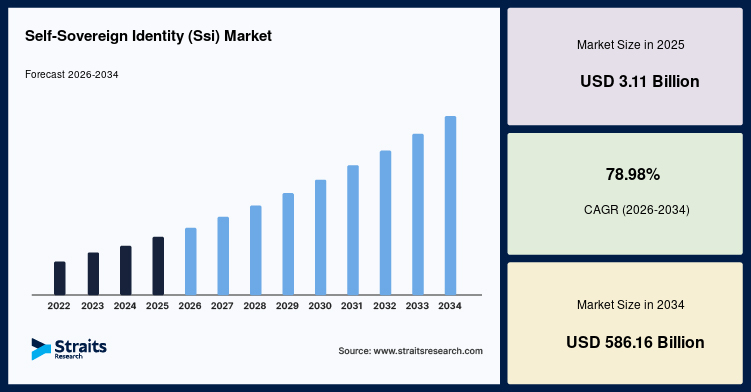
Start with the geography and sector. North America and Europe drive the 2026 market growth, but requirements differ. The US FinCEN rules focus on beneficial ownership, while the EU’s MiCA regulation demands strict identity proofing for crypto assets. Ensure your provider supports the specific legal framework of your primary market. If you operate cross-border, verify multi-jurisdictional compliance support.
Biometrics must be frictionless, not burdensome. Look for providers offering liveness detection that works in standard web browsers, not just native apps. The goal is a "zero-install" experience. If the verification process requires downloading a dedicated app or holding a physical token, conversion rates will drop. The best systems use passive facial recognition or voiceprints that users complete in under 30 seconds.
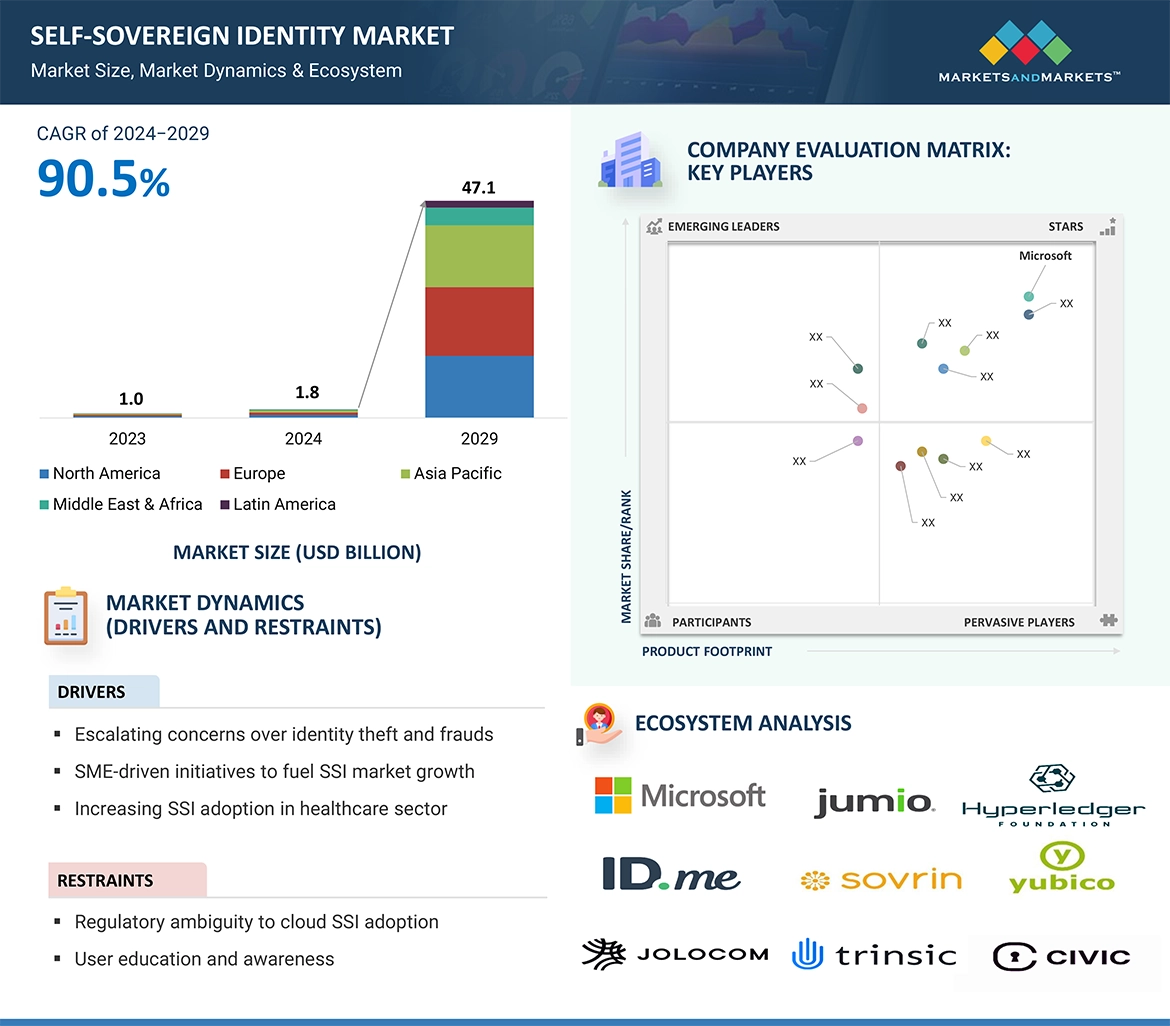
True SSI means the verifier only sees a "yes" or "no" answer, not your face or fingerprint. Ask the vendor how they handle data retention. If they store raw biometric templates in their cloud, it is not SSI—it is just another database to hack. Ensure the architecture uses zero-knowledge proofs or decentralized identifiers (DIDs) where the user’s device holds the private key.
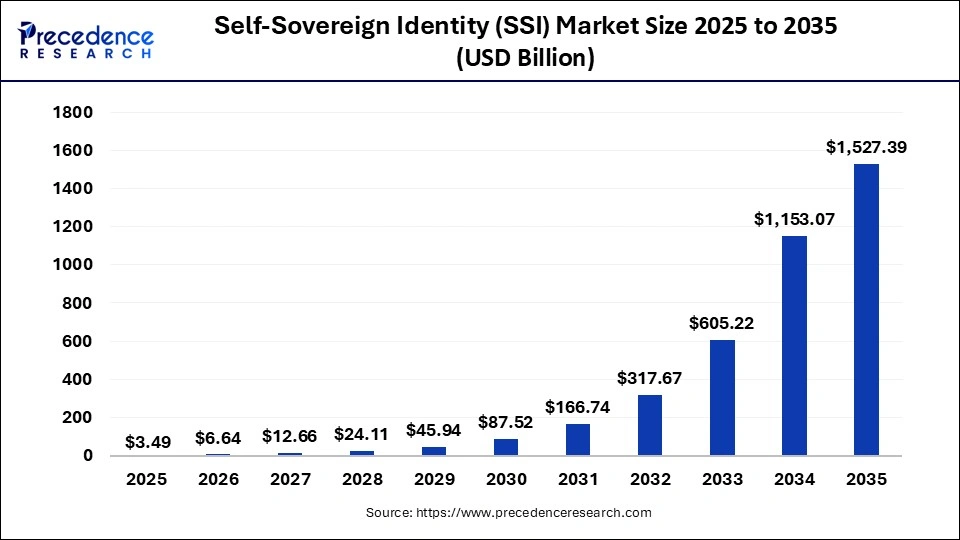
KYC is rarely a standalone feature. It must plug into your existing CRM, blockchain wallet, or banking backend. Prioritize providers with robust API documentation and SDKs for your tech stack. Avoid vendors that require custom middleware for every update. The integration should feel like a standard library import, not a bespoke engineering project.
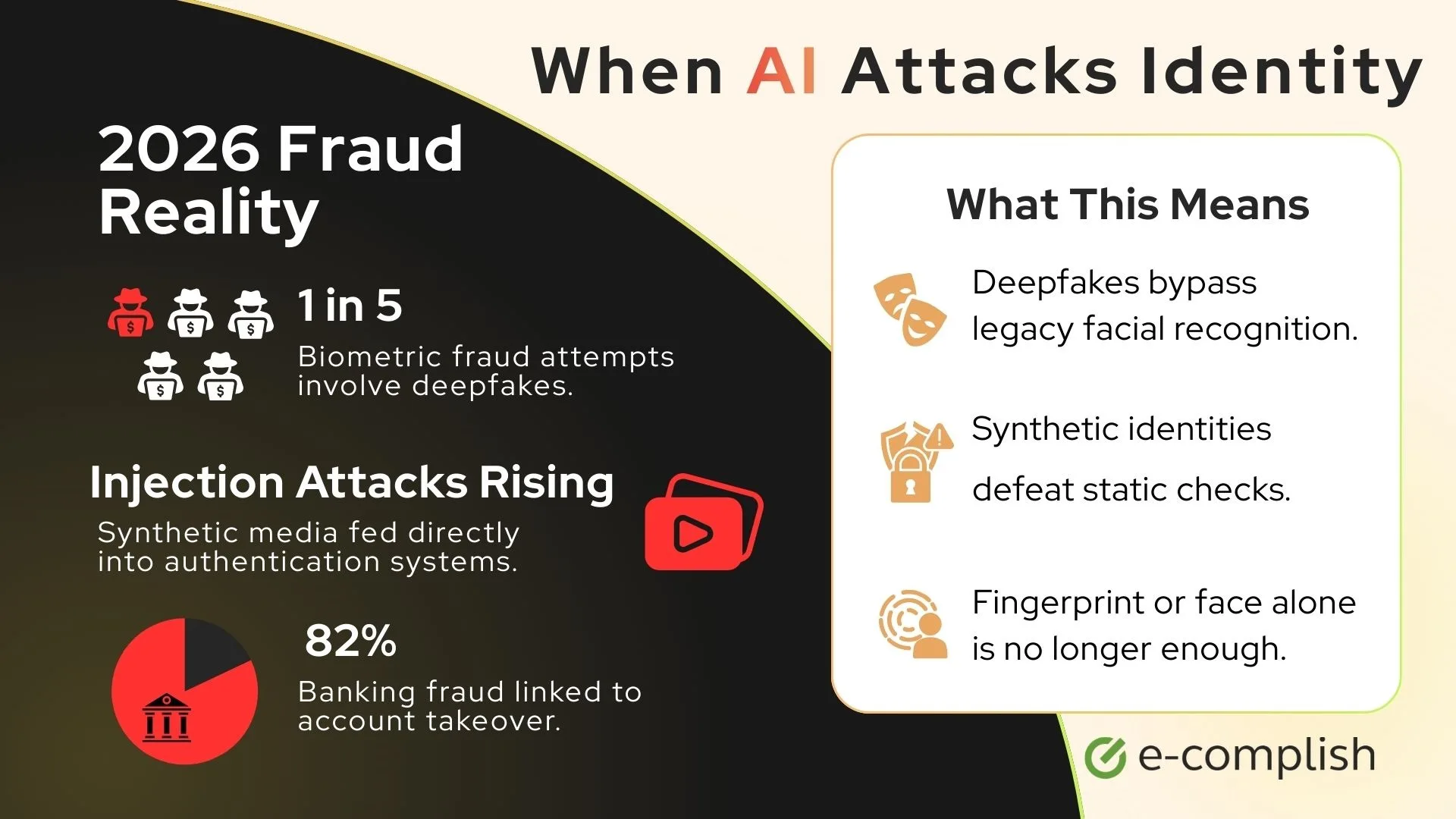
Biometrics are vulnerable to deepfakes and high-resolution photos. Your provider must use active liveness detection—asking the user to blink, turn, or speak a random phrase—or passive AI that analyzes micro-movements and screen glare. Demand a recent spoofing attack report. If they cannot show how they detected a recent attack, their system is likely outdated.
The market is consolidating around vendors who offer both regulatory compliance and seamless user experience. As the KYC market grows toward $36 billion by 2035, the winners will be those who make identity verification invisible to the honest user while impenetrable to the attacker.
Spotting weak biometric KYC options
Many vendors pitch biometric self-sovereign identity as a silver bullet, but the market is flooded with weak implementations that compromise security or usability. Before adopting a solution, scrutinize the verification pipeline for common pitfalls that undermine the promise of self-sovereignty.
Cloud-dependent storage is a critical flaw. If a provider stores raw biometric templates in the cloud, you are not achieving self-sovereignty; you are merely outsourcing risk. True SSI requires on-device processing where biometric data never leaves the user’s hardware. Any vendor promising remote storage without explicit, granular user consent is offering a weak option that mirrors traditional centralized databases.
Ignoring liveness detection invites spoofing. Basic facial recognition can be fooled by high-resolution photos or deepfakes. A robust 2026 standard must include active or passive liveness checks to ensure the subject is present and alert. Without this, your KYC process is vulnerable to sophisticated identity fraud, rendering the biometric layer ineffective despite its high-tech appearance.
Overlooking regulatory alignment creates compliance debt. Biometric data is classified as sensitive personal information under GDPR, CCPA, and emerging US state laws. Vendors who cannot demonstrate explicit consent mechanisms and data minimization practices will leave you exposed to legal liability. Verify that the solution aligns with ISO/IEC 19794 standards for biometric data interchange before committing.
Biometric KYC 2026: Practical Questions Answered
Biometric verification is shifting from a novelty to a standard requirement for digital identity. As self-sovereign identity gains traction, understanding the practical implications of biometric KYC is essential for compliance and security.
No comments yet. Be the first to share your thoughts!