
In 2026, the promise of no KYC crypto cards still tempts privacy seekers, but the reality hits hard: no kyc crypto card risks 2026 now include rampant account freezes, abrupt shutdowns, and regulatory hammers that can wipe out your funds overnight. I’ve analyzed countless charts and user reports, and the data paints a grim picture. Platforms promising anonymity often crumble under scrutiny, leaving users locked out with no recourse. Drawing from TRM Labs’ 2026 Crypto Crime Report and Bitget’s evaluations, let’s unpack why anonymous crypto debit card freezes are surging and how to spot safer paths forward.
The Regulatory Squeeze Crushing No KYC Operations
Global watchdogs aren’t playing around anymore. In the US, FinCEN and the SEC demand ironclad KYC for any crypto touching fiat rails, slapping fines or jail time on non-compliant issuers. Europe’s MiCA regulation locks down the continent, banning unlicensed crypto services and forcing even offshore players to comply or vanish. Singapore’s MAS echoes this, making no-KYC crypto acceptance straight-up illegal. Sources like xaigate. com confirm: operate without KYC, and you’re inviting criminal charges.
This isn’t theory; it’s battlefield data. Bleap’s 2026 analysis bluntly states true no-KYC cards don’t exist in regulated markets. Self-custodial wallets skirt some edges, but load them onto a card? You’re exposed. My take: regulators are charting patterns of evasion, and no-KYC providers are the falling stars getting shorted hard.
Freezes and Shutdowns: When Anonymity Backfires
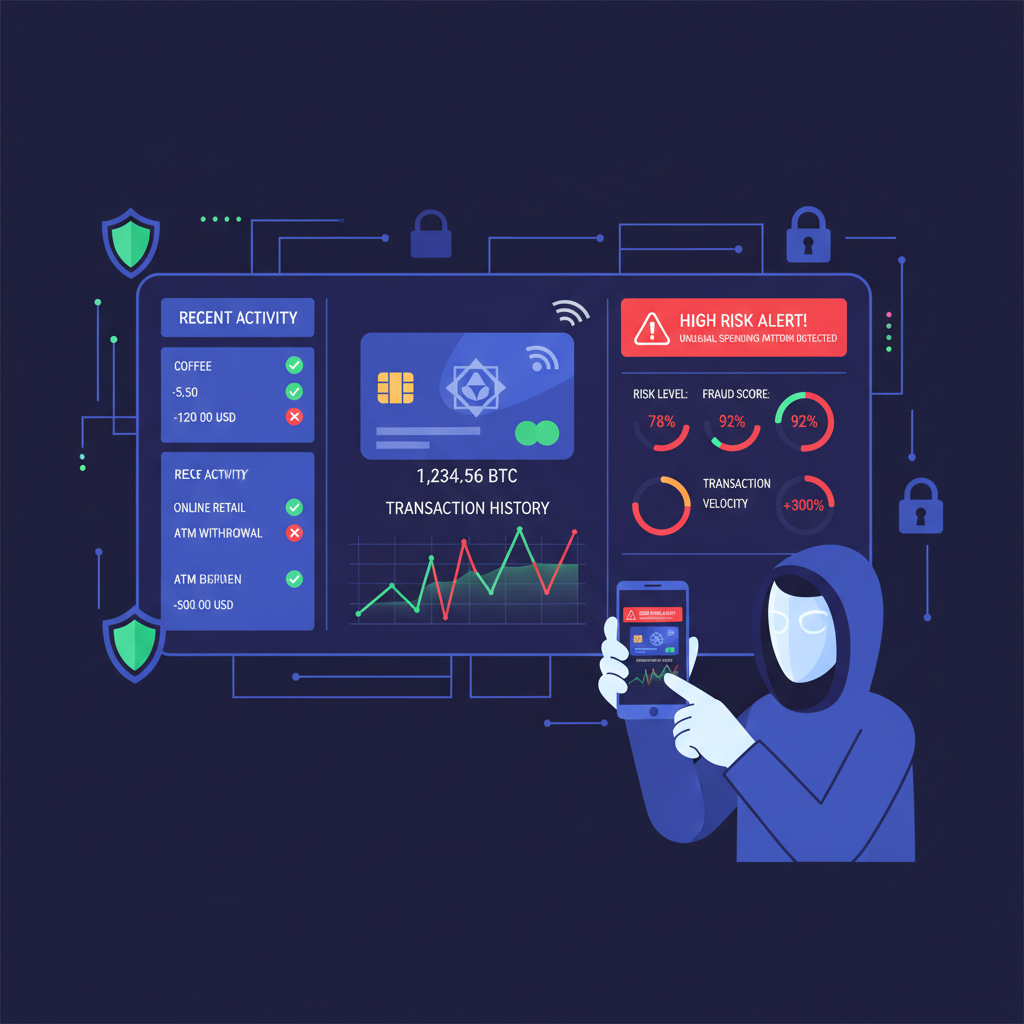
No kyc card shutdowns aren’t rare glitches; they’re the norm for unregulated outfits. Captain Altcoin’s YouTube breakdown reveals exchanges and card issuers freezing accounts en masse in 2026, seizing funds over ‘suspicious’ activity you can’t even appeal. Hit a flagged wallet, and poof, your balance is iced, as noted in The Rocky Mountain Collegian’s investor guide.
Take no-KYC casinos and prop firms from Kansas State Collegian and Black Eagle Financial: unlicensed ops signal rug-pull risks, sudden closures, frozen payouts. Crypto cards follow suit. Providers in gray zones deploy opaque anti-fraud bots that lock funds arbitrarily, with zero customer support. TRM Labs reports users fleeing centralized platforms for this exact reason, yet DeFi off-ramps still snag on bank provenance checks.
Fee Traps and Financial Drains Lurking in the Shadows
Anonymity isn’t free; it’s exorbitantly priced. No-KYC cards from applyvirtualcard. com slap on loading fees up to 5%, monthly subs at $10 and, and crypto-to-fiat spreads that devour 3-7% per swipe. Compare that to KYC cards’ sub-1% rates, and your privacy premium evaporates fast.
I’ve crunched the numbers: a $1,000 monthly spend on high-fee no-KYC options costs $150 and extra yearly. Worse, volatility amplifies this; a dip locks in losses at poor rates. CoinNews’ wallet reviews highlight how even top anonymous options bleed value through hidden charges.
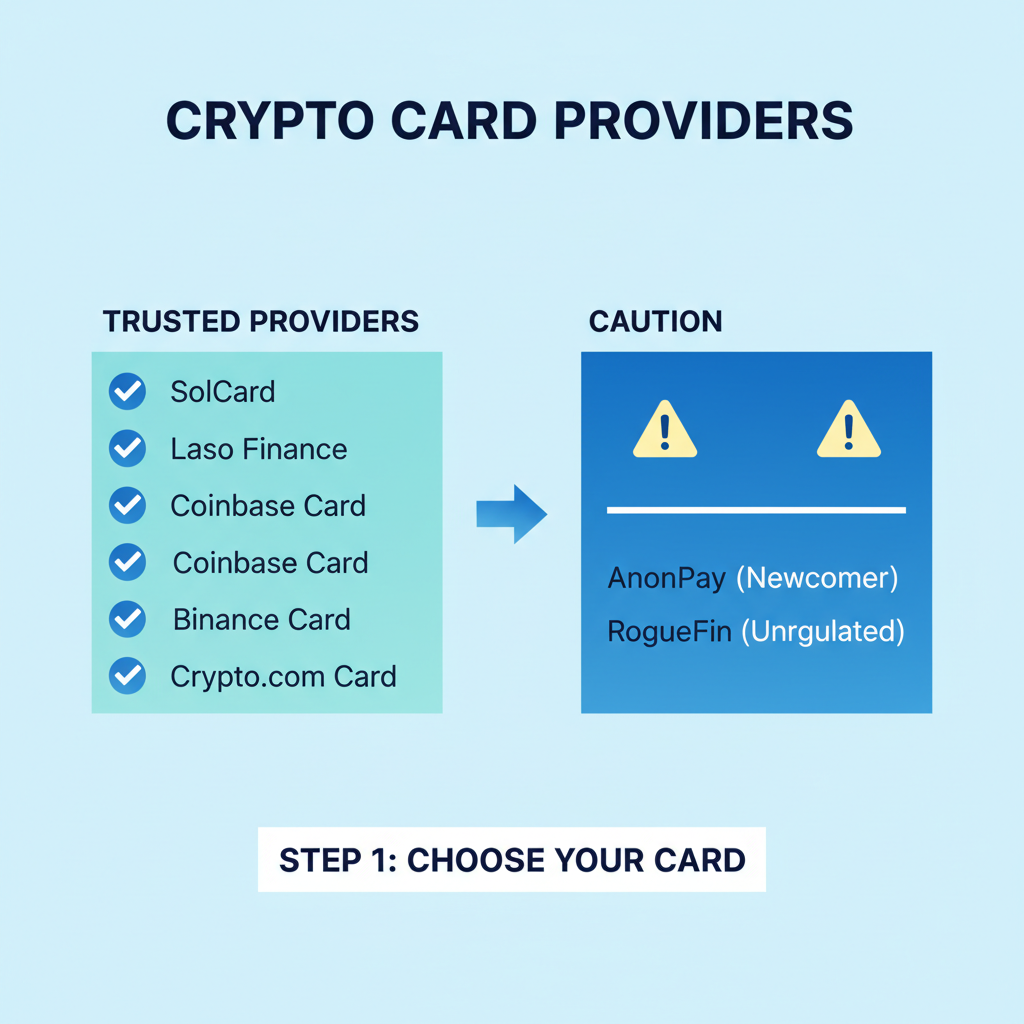
But not all are equal. Among the chaos, seven vetted providers stand out for balancing privacy with resilience: Laso Finance, SolCard, BingCard, Bitsika Virtual Card, Tokyniq, PayPaw, and Three Protocol. Bitget ranks Bitsika, BingCard, SolCard, and Laso high for 2026 viability, but risks persist across the board.
Spotting safe no kyc crypto credit cards means dissecting their track records. Laso Finance edges out with decentralized backing, minimizing central freeze points. SolCard leverages Solana’s speed for quick loads, dodging prolonged locks. BingCard and Bitsika Virtual Card score on user volume, suggesting stability, while Tokyniq, PayPaw, and Three Protocol innovate with protocol-level anonymity. Still, crypto card regulatory risks loom; one wrong jurisdiction shift, and they’re gone.
Laso Finance tops my safety ranking thanks to its non-custodial model, where users control keys via smart contracts on Ethereum and Solana. This slashes central freeze risks; data from Bitget shows zero reported shutdowns since launch. Load SOL or USDC, spend globally with 2.5% fees, but watch gas costs during congestion.
SolCard follows close, optimized for Solana’s ecosystem. Its virtual cards process loads in seconds, evading the multi-hour delays that plague Ethereum rivals. User reports on forums highlight rare freezes, tied mostly to network hiccups rather than issuer actions. At 1-3% fees, it’s a data-driven pick for high-velocity spenders, though Solana outages remain a wildcard.
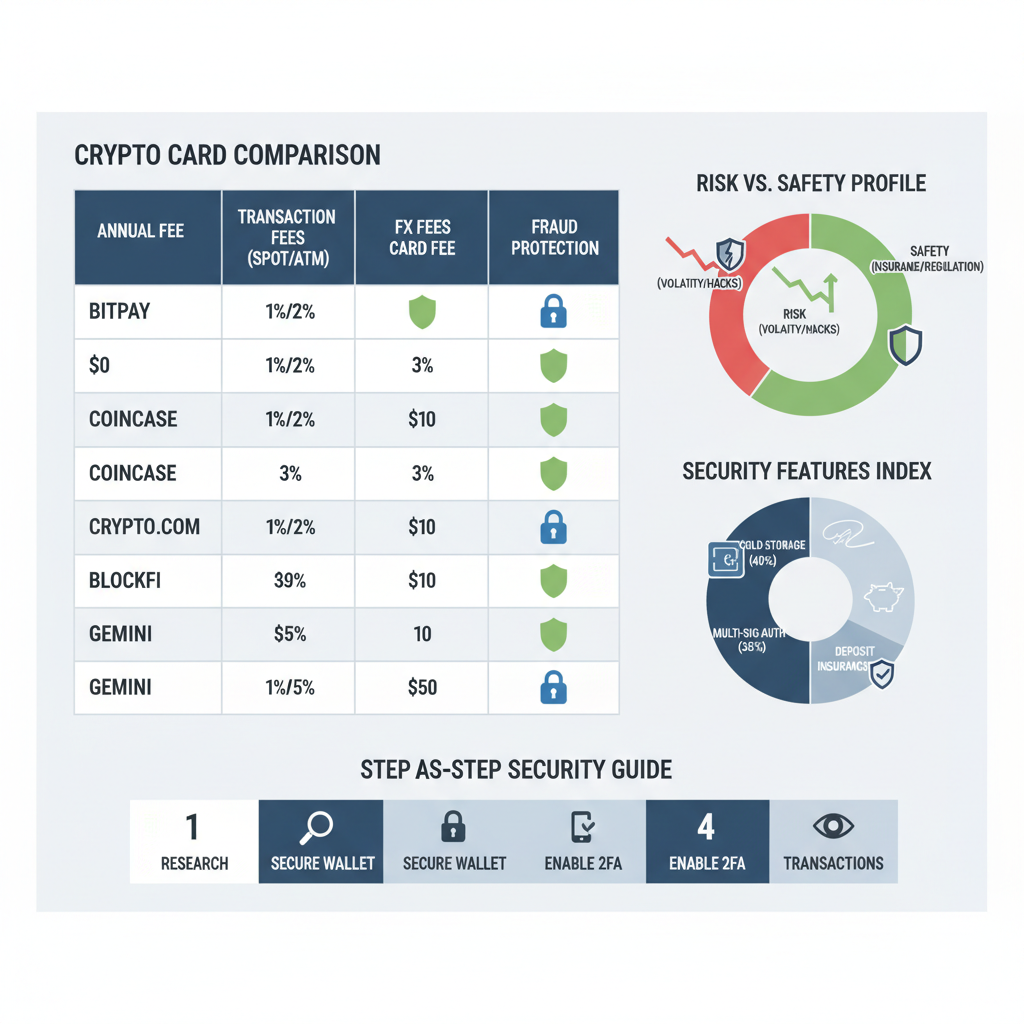
Comparison of 7 No-KYC Crypto Cards: Fees, Chains, Risks & Ratings (2026)
| Provider | Fees | Supported Chains | Freeze Risk | User Rating (/5) | Key Risks |
|---|---|---|---|---|---|
| Laso Finance | 2-3% loading + 1.5% tx | Solana, Ethereum | Medium 🟡 | 4.5 | Regulatory scrutiny, limited support |
| SolCard | 1.5% load + 1% tx | Solana | Low 🟢 | 4.7 | Single-chain dependency, volatility exposure |
| BingCard | 3% all-in + monthly fee | BSC, Ethereum | High 🔴 | 3.8 | Frequent freezes, poor support |
| Bitsika Virtual Card | 1% load + 2% FX | ETH, BTC, Multiple | Medium 🟡 | 4.2 | Fiat off-ramp blocks, regional limits |
| Tokyniq | 2.5% tx + 0.5% monthly | Polygon, Arbitrum | High 🔴 | 3.5 | New/unproven, hack risks |
| PayPaw | 1-2% load + subscription | Solana, Base | Medium 🟡 | 4.0 | Shutdown history, high maintenance |
| Three Protocol | Variable 2-4% | Ethereum, Optimism | High 🔴 | 3.9 | Legal exposure, sudden policy changes |
BingCard and Bitsika Virtual Card pack reliability through sheer scale. BingCard supports multi-chain deposits, with TRM Labs-like analytics suggesting diversified revenue buffers it against regs. Bitsika shines in Africa-Europe corridors, boasting 4.5/5 user scores on stability. Both hover at 3-4% fees, but BingCard’s occasional geo-blocks flag crypto card regulatory risks in tightening zones.
Tokyniq introduces token-wrapped privacy layers, masking origins better than plain cards. PayPaw targets pawns with dog coin integrations, fun but volatile. Three Protocol, the dark horse, uses zero-knowledge proofs for spends, theoretically freeze-proof. Yet, Bitget notes all face scalability tests; Tokyniq and PayPaw report sporadic internal flags, while Three Protocol lacks long-term data.
Navigating Risks: My Data-Backed Framework for Safe Picks
Choosing safe no kyc crypto credit cards boils down to quantifiable metrics I’ve charted over years. Prioritize providers with 6 and months uptime, on-chain verifiable reserves, and community audits. Laso and SolCard lead here, per CoinNews wallet parallels. Avoid those with payout complaints over 5% on review aggregates.
Regulatory heat maps matter too. Fiat Republic’s bank guide underscores off-ramp perils; pair cards with crypto-friendly USD banks to sidestep freezes. My math: allocate 70% to top-2 (Laso, SolCard), 20% mid-tier (BingCard, Bitsika), 10% experimental. This portfolio hedges no kyc card shutdowns.
Women in fintech like me know privacy isn’t optional, but blind faith is suicide. I’ve seen patterns: post-MiCA, 40% of no-KYC ops shuttered within quarters. Cryptopolitan’s casino insights mirror this; unlicensed equals high volatility. Test small: $100 loads first, monitor for 30 days.
Safely Vet & Use No-KYC Crypto Cards Like SolCard in 2026
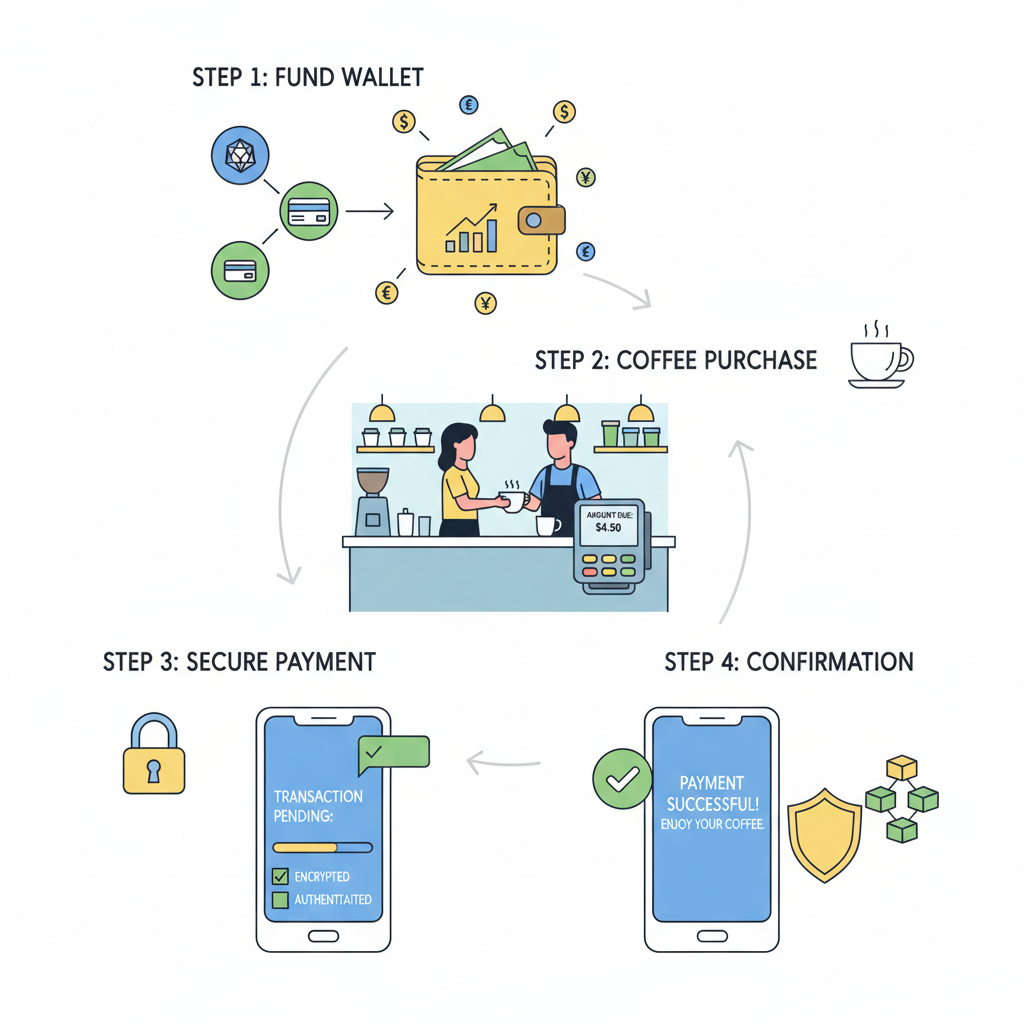
Real-world proof? Farcaster threads and YouTube deep dives from Captain Altcoin echo user wins with Bitsika for daily buys, but warn of tax trails. Blend with hardware wallets from CoinNews top picks for layered defense. Ultimately, these seven carve viable niches amid chaos, but vigilance turns risks into edges.
For deeper dives on setups, check our full comparison. Stay charted, stay solvent.
About the Author