
In an era where regulatory scrutiny has all but erased truly anonymous financial tools, the emergence of Goblin Card as a non-KYC physical crypto debit card captures the imagination of privacy enthusiasts. Amid the 2026 landscape dominated by mandatory identity checks under frameworks like the EU’s MiCA regulation, this card promises a rare blend of tangibility and discretion, allowing users to load up with BTC, ETH, SOL, XMR, or USDT and spend seamlessly in MXN, USD, or EUR. No foreign exchange fees, no ATM charges, and a generous $5,000 daily spending limit for a one-time $350 payment-it’s a proposition that demands close examination for those prioritizing anonymous crypto debit card 2026 options.
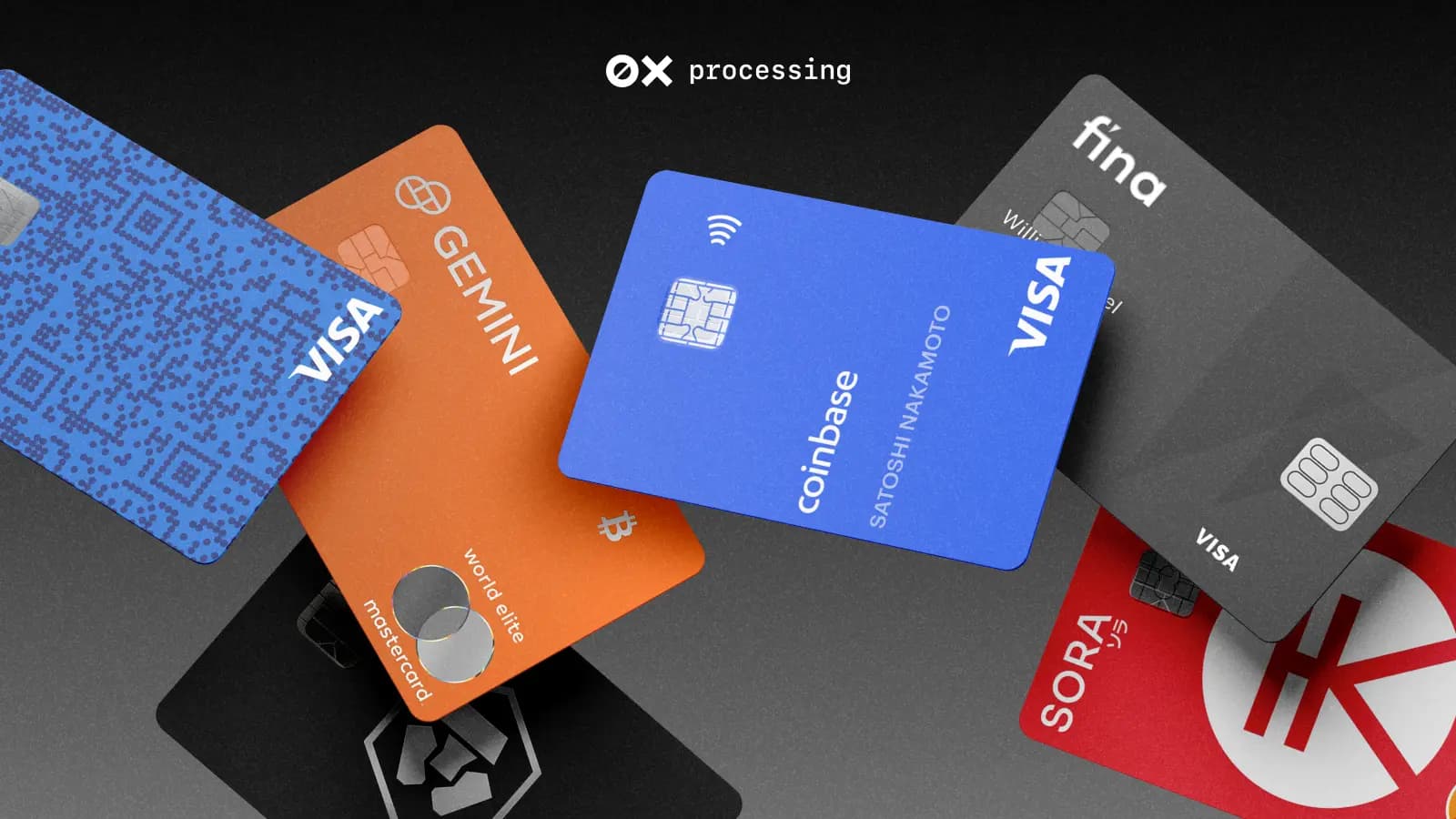
What sets Goblin Card apart isn’t just its existence; it’s the practical utility in a world where most crypto cards now require extensive verification. Privacy-focused users, tired of surrendering personal data for everyday transactions, find appeal in its support for Monero (XMR), a cryptocurrency renowned for its obfuscation capabilities. Delivered physically after a straightforward purchase, the card bridges the gap between self-custodial wallets and real-world acceptance at Visa or Mastercard terminals worldwide. Yet, as with any outlier in fintech, the devil lies in the details of reliability and risk.
Goblin Card’s Feature Set: Powering Privacy-Focused Spending
At its core, Goblin Card operates on a prepaid model that’s refreshingly simple. Users deposit cryptocurrencies directly to a unique wallet address provided upon purchase, with funds converting on-the-fly to fiat for spending. The $5,000 daily limit accommodates substantial daily use without triggering red flags common in traditional banking, while the absence of FX and ATM fees preserves value in volatile markets. Imagine funding with XMR for maximum anonymity, then withdrawing cash in Mexico City or paying for groceries in Berlin-all without a single ID upload.
Crypto Explorer’s Review Summary: Key Features of Goblin Card
| Feature | Details | Privacy/Usage Advantage |
|---|---|---|
| Physical No-KYC Card | Available ✅ (one-time $350 fee) | Rare physical debit card in 2026; superior in-person anonymity vs virtual cards |
| Funding Options | BTC, ETH, SOL, XMR, USDT | XMR support for enhanced privacy funding |
| Spending Currencies | MXN, USD, EUR (no FX fees) | Global spending without conversion costs |
| Daily Limit | $5,000 | High limit for no-KYC physical cards |
| Cash Withdrawals | No ATM fees | e.g., Mexico City ATMs for anonymous cash access ✅ |
| POS Payments | In-store purchases | e.g., Grocery payments in Berlin supermarkets |
| User Reviews | 4.5/5 Trustpilot (13 reviews) | Convenience, fast delivery, support praised |
| Privacy vs Virtual | Physical edge | Harder to trace at physical merchants/ATMs |
This setup aligns perfectly with the needs of privacy crypto card physical seekers who value control. Unlike virtual-only alternatives, the physical card enables ATM access and in-store taps, expanding usability beyond online merchants. The one-time $350 fee, while not inexpensive, covers card issuance, shipping, and indefinite use, positioning it as a cost-effective long-term solution compared to subscription-based KYC cards that nickel-and-dime users monthly.
User Experiences: Praise Amid Growing Skepticism
Customer sentiment on Trustpilot paints a positive picture, with a 4.5 out of 5 TrustScore from 13 reviews. Users highlight swift delivery-often within days-technical support responsiveness, and the sheer convenience of KYC-free operation. One reviewer noted, “Finally, a way to spend crypto privately without jumping through hoops, ” echoing the frustration many feel with compliant alternatives. On forums like Bitcoin Talk, early adopters discuss BTC funding without hitches, appreciating the card’s stability in daily scenarios.
However, these endorsements aren’t unanimous. YouTube creators like Crypto Explorer emphasize its rarity but urge due diligence, while Reddit threads question longevity in regulated spaces. The 4.2/5 from six direct site reviews suggests solid initial performance, yet the sample size remains small, prompting caution for high-volume users.
Security Red Flags and the Regulatory Tightrope
Beneath the allure, serious concerns emerge from independent analyses. Gridinsoft assigns goblincards. com a dismal 23/100 trust score, flagging it as a potential cryptocurrency scam due to opaque operations and high-risk indicators. ScamAdviser goes further, rating it 0/100 and deeming it very likely unsafe. These assessments stem from factors like recent domain registration, hidden owner details, and reports of phishing-like tactics in similar services.
Contextually, 2026’s regulatory environment exacerbates these risks. MiCA’s enforcement since 2024 has curtailed anonymous self-hosted wallet transactions in the EU, pushing many no-KYC providers underground or out of business. Sources like Bleap assert that truly verification-free cards don’t exist in regulated markets, casting doubt on Goblin Card’s sustainability. While it operates in gray areas-perhaps leveraging offshore issuance or non-fiat conversions-users must weigh the convenience against potential fund loss or legal exposure. For comparison, established options demand KYC but offer recourse; here, privacy comes at the expense of safeguards.
Navigating these pitfalls requires a pragmatic lens. For the ultra-privacy-conscious willing to self-insure their funds, Goblin Card’s model holds intrigue, especially when paired with small test deposits. But for most, the asymmetry between upside and downside tilts toward restraint. Offshore operations might dodge immediate crackdowns, yet history shows such services often vanish overnight, leaving users high and dry.
Pros and Cons: A Balanced Goblin Card Review
To distill the value proposition, consider the tangible benefits against the shadows. On the plus side, the goblin card no kyc promise delivers a physical card that’s usable globally, with no recurring fees eating into holdings. Privacy shines through XMR support and direct crypto deposits, ideal for those evading chain analysis. Yet the cons loom large: scam detector scores in the single digits, scant transparency on reserves or insurance, and the ever-present regulatory guillotine.
Goblin Card Pros and Cons
| Pros | Cons |
|---|---|
| ✅ No KYC verification | ❌ Potential scam risk (0/100 ScamAdviser, 23/100 Gridinsoft) |
| ✅ Physical debit card (rare for no-KYC) | ❌ One-time $350 fee |
| ✅ $5,000 daily spending limit | ❌ Small review sample (13 reviews on Trustpilot) |
| ✅ No FX or ATM fees | ❌ Regulatory uncertainty (no-KYC cards rare due to MiCA etc.) |
| ✅ Supports XMR, BTC, ETH, SOL, USDT deposits |
This ledger underscores why Goblin Card polarizes: it’s a high-stakes bet on anonymity in a compliance-saturated world. Enthusiasts on Bitcoin forums report smooth BTC loads and ATM pulls, but outliers mention delayed supports or conversion glitches during volatility spikes.
How It Compares to Safer Privacy Alternatives
In the broader hunt for non kyc physical crypto debit card options, Goblin stands alone in its physical, verification-free claim for 2026-yet that’s precisely its Achilles’ heel. Established players like those in our top anonymous Visa/Mastercard guides often skirt full no-KYC with tiered limits or virtual issuance, trading some privacy for stability. For instance, self-custodial wallets with on-ramps demand light checks but offer chargeback protections absent here. If longevity matters, explore our 2025-2026 privacy card rankings, where vetted hybrids balance discretion and recourse. Goblin’s edge erodes when scam flags factor in; better to diversify across multiple low-KYC tools than all-in on one rogue actor.
No-KYC Crypto Card Risks and Goblin Card in 2026 Regulatory Landscape
| Aspect | Goblin Card | Risks/Concerns | Alternatives (KYC-Based) |
|---|---|---|---|
| KYC Required | No | N/A | Yes (Compliant with MiCA) |
| Physical Card | ✅ Yes | Rare in regulated markets | ✅ Yes (e.g., CoinGecko Top 10) |
| Supported Cryptos | BTC, ETH, SOL, XMR, USDT | Varies; privacy coins like XMR targeted | Varies; often fewer privacy options |
| Daily Spend Limit | $5,000 | High limits attract scrutiny | Varies; often similar with verification |
| Fees | $350 one-time, no FX/ATM fees | Upfront costs risky if scam | Subscription or % fees; more transparent |
| User Reviews | 4.5/5 (Trustpilot, 13 reviews) | Positive on convenience/support | Higher volume, established trust |
| Security Scores | ⚠️ Gridinsoft 23/100, ScamAdviser 0/100 | 🔥 Potential scam flagged | ✅ High trust from regulators |
| Regulatory Risk | ❌ High (MiCA bans anon tx since 2024) | Truly no-KYC rare/unsafe | ✅ Low; fully compliant |
Practically, test Goblin with minimal funds: buy the $350 card, load $100 in XMR, attempt a small ATM withdrawal. Success builds confidence; failure confirms the skeptics. Monitor Trustpilot for evolving scores, and cross-reference with CoinGecko’s top cards list, which prioritizes audited issuers over anonymity purists.
Getting Started – If You Dare
Acquisition is straightforward: visit the site, pay the one-time $350 via crypto, receive your unique deposit address and tracking. Funds convert instantly at spend, with MXN/USD/EUR output. No app needed-just the card. But layer precautions: use a burner wallet, VPN routing through privacy havens, and never exceed what you can afford to ghost.
For privacy diehards, Goblin Card embodies the rebellious spirit of early crypto-a tangible fuck-you to surveillance finance. Its mechanics work for low-stakes anonymity, powering no kyc crypto spending card dreams amid MiCA’s squeeze. Yet as a 15-year fintech veteran, I counsel measured optimism. The 4.5 Trustpilot glow clashes violently with 0/100 scam ratings; that’s not noise, it’s a siren. Prioritize capital preservation over purism-allocate perhaps 5% of your stack here, the rest to battle-tested hybrids. In 2026’s gray markets, true anonymous crypto debit card 2026 freedom demands vigilance, not blind faith. Weigh the reviews, probe the shadows, and spend accordingly.
About the Author