
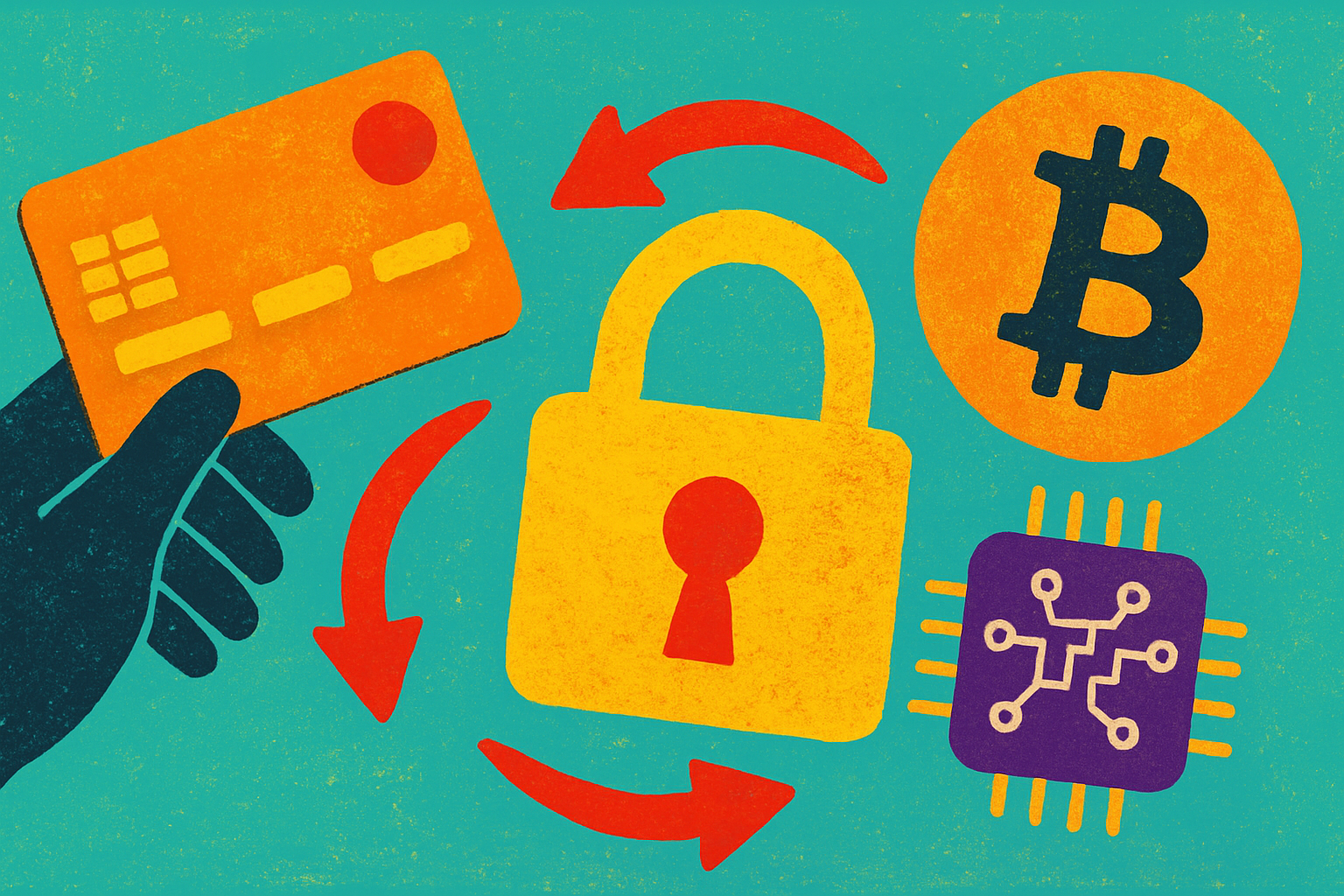
In a world where digital footprints are scrutinized and personal data is a hot commodity, the rise of no-KYC crypto credit cards is reshaping how privacy-minded individuals approach everyday spending. Unlike traditional cards that demand extensive identity verification, these tools enable users to transact with a degree of anonymity that is increasingly rare in modern finance.

How No-KYC Crypto Credit Cards Shield Your Identity
No-KYC (No Know Your Customer) crypto credit cards function by sidestepping the standard ID checks imposed by banks and fintech providers. Instead of uploading passports or utility bills, you can acquire and use these cards by simply topping up with cryptocurrency. This approach minimizes the collection and storage of sensitive personal information, drastically reducing your exposure to data breaches and unauthorized surveillance.
The core appeal here is straightforward: privacy. When you use a no-KYC card, your purchases aren’t automatically linked to your government-issued identity. This makes it significantly harder for third parties - from marketers to hackers - to track your financial behavior or build detailed profiles based on your spending habits.
The Mechanics Behind Private Crypto Spending
No-KYC cards bridge the gap between digital assets and real-world commerce. Most are issued as virtual or physical cards backed by major networks like Visa or Mastercard, so you can pay at millions of merchants worldwide without revealing who you are. You maintain self-custody over your crypto until you decide to load the card, aligning with the "not your keys, not your coins" ethos cherished by many in the privacy community.
This system offers several practical benefits:
- Anonymous crypto payments: Make purchases online or in-store without tying transactions to your name.
- Global acceptance: Use your card almost anywhere conventional credit cards are accepted.
- No centralized data storage: Since there’s no identity check, there’s less risk of personal data leaks from hacks targeting card issuers.
If you’re interested in comparing options for daily use, check out our curated lists such as Top No-KYC Crypto Credit Cards for Daily Purchases in 2024.
The Trade-Offs: Limits and Legal Landscapes
The privacy advantages come with important caveats. Because these services operate outside traditional regulatory frameworks, they often impose stricter limits on spending and withdrawals compared to fully verified accounts. For example, monthly transaction caps might be lower, and customer support options more limited if issues arise.
The legal environment also remains fluid. Some regions have cracked down on anonymous financial products under anti-money laundering (AML) laws, leading to sudden service interruptions or even asset freezes for users caught unaware. That’s why it’s critical to stay informed about both local regulations and the reputation of any provider before committing significant funds.
For those who want maximum privacy but need guidance on navigating these challenges safely, our comprehensive guide Top No-KYC Crypto Credit Cards for Maximum Privacy in 2025 dives deeper into strategies for secure usage.
Security is another vital consideration when embracing no-KYC card benefits. While the lack of personal data collection shields you from mass data breaches, it also means you forfeit certain protections found in traditional banking. If your card is lost or compromised, recovering funds can be challenging without a verified identity to reference. This trade-off places more responsibility on users to practice strong operational security, using secure wallets, enabling two-factor authentication where possible, and keeping backup access methods for their crypto assets.
Moreover, the decentralized ethos of these cards often means support teams are smaller or less responsive. You’re effectively trading some convenience and recourse for enhanced privacy and autonomy. For those who value self-sovereignty over their finances, this is a reasonable compromise, but it’s not for everyone.
Best Practices for Private Crypto Spending
To make the most of crypto card privacy without falling into common pitfalls, consider these actionable tips:
- Research providers: Stick to established platforms with transparent policies and a track record of reliability. Community feedback and independent reviews are invaluable here.
- Stay within limits: Understand transaction caps and withdrawal restrictions before loading significant amounts onto your card.
- Monitor regulatory updates: Laws can change rapidly; subscribe to news sources or community channels that track developments in your jurisdiction.
- Use separate wallets: Keep spending funds distinct from long-term holdings to minimize risk if a card or associated wallet is compromised.
- Pseudonymize where possible: Use privacy-focused wallets and avoid reusing addresses linked to your real-world identity.
If you want to compare leading options side by side, our resource on the 10 Best No-KYC Crypto Credit Cards for True Financial Privacy in 2025 offers detailed breakdowns of features, fees, and user experiences.
Community Voices: Real-World Experiences
The voices of actual users paint a nuanced picture. Some praise the ease of making private purchases abroad or supporting causes without fear of financial censorship. Others report frustration with spending limits or sudden service interruptions due to shifting regulations. These mixed experiences highlight why it’s essential to align your expectations with your privacy priorities, and why ongoing education remains crucial as the landscape evolves.
The bottom line: No-KYC crypto credit cards empower you to reclaim control over your financial footprint in an era of pervasive surveillance. However, they demand vigilance, technical literacy, and an appetite for personal responsibility. By understanding both the advantages and limitations, and staying up-to-date on regulatory shifts, you can make informed decisions that align with your values around privacy and freedom.




No comments yet. Be the first to share your thoughts!