
In 2025, the demand for no-KYC crypto cards remains strong among privacy-focused users, even as global regulations tighten. For those who value anonymity and want to spend crypto without intrusive identity checks, the market still offers several robust options. This guide dives deep into the best no-KYC crypto credit cards for total privacy in 2025, comparing their features, fees, and user experiences so you can make an informed choice.
No-KYC Crypto Cards: Why They Matter in 2025
The landscape has shifted significantly since early crypto card launches. Fully anonymous cards are increasingly rare due to regulatory crackdowns, but a select group of providers still offer cards with minimal or no KYC requirements. These solutions are ideal for those prioritizing privacy, whether you’re a frequent traveler, a digital nomad, or simply someone who prefers to keep financial activities discreet.
Choosing the right card means weighing trade-offs between spending limits, fees, supported cryptocurrencies, and convenience. Here’s what’s driving demand:
- Financial Privacy: Avoiding invasive ID checks and data collection
- Global Access: Spend crypto anywhere major cards are accepted
- Speed: Instant virtual issuance with no paperwork delays
The Top 9 No-KYC Crypto Credit Cards for 2025
This year’s list is based on current market data from CoinGecko, Koinly, and other trusted sources. Each card below allows for anonymous or low-KYC usage while offering unique perks and limitations. Here’s an overview of what makes each stand out:
Top 9 No-KYC Crypto Credit Cards for 2025
- BitPay Card (No-KYC Virtual Option): Offers a virtual Visa card for US residents with minimal KYC for low limits. Supports Bitcoin and major cryptos, enabling quick conversion and spending anywhere Visa is accepted.
- Paycent Crypto Card (Low-KYC Threshold): A global crypto debit card supporting BTC, ETH, and LTC. Allows low-value transactions with minimal KYC, and offers both virtual and physical cards for worldwide use.

- CoinsPaid Crypto Card: Integrates seamlessly with the CoinsPaid wallet, supporting multiple cryptocurrencies and providing a prepaid Mastercard with low KYC requirements for smaller loads and spending.
- SpectroCoin Prepaid Crypto Card: Enables users to spend crypto with minimal verification. The card is accepted globally and supports instant conversion from BTC, ETH, and other major coins.
- Uquid Crypto Card: Known for its privacy focus, Uquid offers both virtual and physical cards with minimal KYC for lower tiers. Supports a wide range of cryptocurrencies and is available to users worldwide.
- BlockCard by Unbanked (No-KYC for Low Limits): Provides a Visa debit card with no KYC required for small balances and transactions, making it ideal for privacy seekers. Supports multiple cryptocurrencies and instant spending.

- Advcash Crypto Card: Offers a prepaid card with low KYC requirements for modest spending. Supports a variety of cryptos and fiat currencies, with fast top-ups and broad global acceptance.

- Cryptopay Prepaid Card: Delivers a virtual and physical card option with minimal KYC for low limits. Users can spend BTC, ETH, and LTC directly, with competitive fees and wide merchant acceptance.
- SatoshiTango Crypto Card: A Latin America-focused card supporting multiple cryptocurrencies, with low KYC thresholds for entry-level users. Enables convenient crypto-to-fiat spending at global merchants.
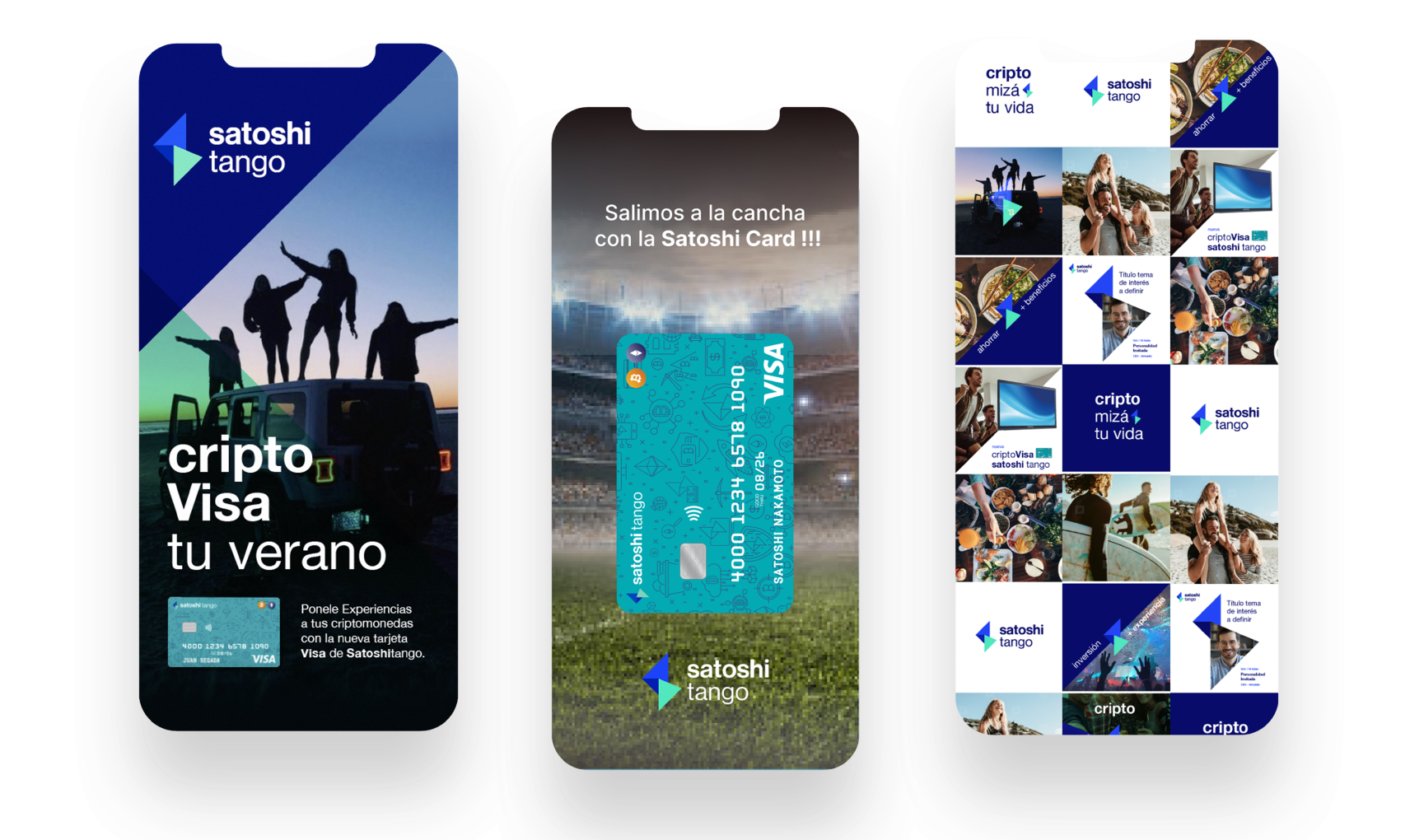
BitPay Card (No-KYC Virtual Option)
BitPay Card remains a leader by offering a virtual-only option that requires no KYC for low spending limits. Funded directly with Bitcoin or stablecoins like USDT and USDC, it’s perfect for those seeking quick online purchases without revealing personal details. While higher limits require verification, the entry-level tier is ideal for privacy seekers who want mainstream acceptance and fast setup.
Paycent Crypto Card (Low-KYC Threshold)
Paycent’s Crypto Card is known for its minimal KYC threshold. Basic usage requires only email verification and allows modest spending limits, suitable for everyday needs. Users can top up with BTC, ETH, or LTC and spend globally wherever Mastercard is accepted. The card also boasts competitive conversion rates and a straightforward mobile app interface.
CoinsPaid Crypto Card
CoinsPaid offers a prepaid solution that balances privacy with usability. The card supports multiple cryptocurrencies and fiat currencies, making it flexible for international use. Minimal KYC is needed for lower tiers; only higher spending limits trigger additional checks. CoinsPaid is especially popular among freelancers and remote workers paid in crypto who want easy access to their funds.
SpectroCoin Prepaid Crypto Card and Uquid Crypto Card: Versatile Options for Anonymous Spending
SpectroCoin Prepaid Crypto Card is favored for its broad currency support and relatively low verification hurdles. Users can spend BTC, ETH, DASH, and more, with virtual and physical options available. The card is widely accepted across Europe and Asia, making it practical for cross-border spending without jumping through KYC hoops.
Uquid Crypto Card stands out with its multi-currency wallet integration and no-ID requirements for virtual card issuance. It supports over 100 cryptocurrencies and is compatible with major payment networks. While physical cards may require some verification, the virtual offering remains one of the best choices for those seeking true anonymity.
Which feature matters most to you in a no-KYC crypto credit card?
With privacy-focused crypto credit cards like BitPay Card, Paycent, and Uquid offering different perks, we're curious: When choosing a no-KYC crypto card, which feature is your top priority?
BlockCard by Unbanked (No-KYC for Low Limits)
BlockCard by Unbanked provides a no-KYC option for users with low monthly spending needs. You get instant virtual card issuance funded by USDT or BTC with no paperwork required up to certain limits. For higher usage or physical delivery, expect additional verification steps. BlockCard’s transparent fee structure and seamless integration with DeFi platforms make it popular with tech-savvy users.
Continue reading as we break down the remaining top choices, Advcash, Cryptopay, and SatoshiTango, and provide a detailed side-by-side comparison so you can find your ideal anonymous crypto credit card in 2025.
Advcash Crypto Card
Advcash delivers a compelling solution for privacy-minded users, offering both virtual and physical cards with minimal verification for initial tiers. The Advcash card supports major cryptocurrencies including BTC, ETH, and USDT, and is accepted at millions of locations worldwide. Users appreciate the fast onboarding process and the ability to manage multiple wallets within a single interface. For those who want to avoid lengthy KYC checks but still need flexible spending power, Advcash is a top contender in 2025.
Cryptopay Prepaid Card
Cryptopay stands out for its straightforward approach to privacy. The prepaid card can be ordered with only basic information for low-limit usage, making it accessible to those who want to keep their identity shielded. Cryptopay supports BTC, LTC, XRP, and more, converting your crypto seamlessly into fiat at point of sale. The card is available in both physical and virtual formats, and the mobile app provides real-time balance tracking plus instant top-ups. If you’re looking for a reliable no-KYC crypto card that works across Europe and beyond, Cryptopay remains a strong pick.
SatoshiTango Crypto Card
SatoshiTango rounds out our list with its user-friendly prepaid crypto card that imposes only light verification requirements for lower tiers. It’s especially popular in Latin America thanks to broad local support and easy fiat conversion options. SatoshiTango’s platform lets you fund your card with BTC or stablecoins and spend globally wherever Visa is accepted. With transparent fees and a responsive support team, it’s an excellent choice for privacy-focused users seeking hassle-free access to their crypto funds.
How Do These No-KYC Crypto Cards Compare?Side-by-Side Features and Fee Analysis
With so many choices in 2025, it’s crucial to compare the best no-KYC crypto credit cards across key metrics like supported coins, spending limits, fees, issuance speed, and geographic availability. Here’s a breakdown of what you can expect from each:
Comparison of the 9 Best No-KYC Crypto Credit Cards for 2025
| Card Name | KYC Requirement | Card Type | Supported Coins | Fees | Spending Limits | Notable Features |
|---|---|---|---|---|---|---|
| BitPay Card | No-KYC Virtual Option (limited) | Virtual/Physical | BTC, ETH, USDC, BCH, LTC, DOGE, DAI | $10 issuance, 1% transaction fee (virtual); other fees may apply | Up to $10,000/month (virtual, no-KYC) | Widely accepted, supports major coins, instant virtual card |
| Paycent Crypto Card | Low-KYC Threshold | Physical/Virtual | BTC, ETH, LTC, DASH, XRP, BCH, PYN | $49 issuance, 2% loading fee, $2 ATM withdrawal | $5,000/day | Multi-currency support, low KYC for small amounts |
| CoinsPaid Crypto Card | Minimal KYC for low limits | Virtual/Physical | BTC, ETH, USDT, USDC, LTC, BCH | $15 issuance, 1.5% top-up fee | $2,500/month (no-KYC) | Supports stablecoins, easy top-up |
| SpectroCoin Prepaid Crypto Card | Minimal KYC for low limits | Physical/Virtual | BTC, ETH, USDT, XEM, DASH | €9 issuance, 1% loading fee, €2.5 ATM withdrawal | €2,500/month (no-KYC) | Accepted worldwide, supports multiple cryptos |
| Uquid Crypto Card | No-KYC for virtual, minimal for physical | Virtual/Physical | BTC, ETH, LTC, XRP, USDT, DASH, TRX | $16.99 issuance, 1% loading fee | $10,000/month (virtual, no-KYC) | Supports 30+ coins, instant issuance |
| BlockCard by Unbanked | No-KYC for low limits | Physical/Virtual | BTC, ETH, TERN, USDT, USDC, LTC | $10 issuance, 1% transaction fee | $500/day (no-KYC) | Earn rewards, reloadable, US-based |
| Advcash Crypto Card | Minimal KYC for low limits | Physical/Virtual | BTC, ETH, BCH, LTC, XRP, USDT | $5 issuance, 0.5% top-up fee | $2,000/month (no-KYC) | Instant loading, supports fiat & crypto |
| Cryptopay Prepaid Card | Minimal KYC for low limits | Physical/Virtual | BTC, ETH, LTC, XRP | £5 issuance, 1% loading fee | £1,000/month (no-KYC) | Contactless, supports GBP/EUR/USD |
| SatoshiTango Crypto Card | Minimal KYC for low limits | Virtual/Physical | BTC, ETH, LTC, USDT, DAI | $15 issuance, 2% loading fee | $2,000/month (no-KYC) | Latin America focus, supports stablecoins |
As you can see from the comparison above, there isn’t a universal “best” option, each card serves different needs based on your priorities:
- If privacy is paramount: Uquid (virtual), BitPay (virtual), BlockCard (low limits) are top picks.
- If you want global acceptance: Advcash and SpectroCoin offer both physical/virtual cards usable worldwide.
- If low fees matter most: Cryptopay and CoinsPaid keep costs predictable.
- If you need multi-currency support: Uquid shines with 100 and coins; Paycent covers all major cryptos.
The market continues to evolve as regulators crack down on anonymous finance tools, so always review local laws before ordering or using these cards. Remember also that no-KYC solutions often come with trade-offs like lower monthly limits or higher reload fees compared to fully verified products.
Staying Safe and Maximizing Privacy With No-KYC Crypto Cards
No-KYC doesn’t mean no responsibility, protecting your funds requires vigilance. Here are some essential tips:
- Avoid sharing your card details online or storing them insecurely.
- Use strong passwords on associated wallets or apps.
- If offered two-factor authentication (2FA), enable it immediately.
- Monitor transactions frequently for suspicious activity since recourse may be limited without KYC recovery options.
- Select reputable providers with transparent fee structures, avoid deals that seem too good to be true.
The future of no-KYC crypto cards in 2025 will depend on balancing user demand for privacy against regulatory scrutiny. For now, these nine solutions offer real utility, empowering users globally who prioritize financial sovereignty without sacrificing usability or convenience. Whether you’re making daily purchases or traveling the world incognito with your digital assets in hand, there’s never been a better moment to explore private spending options in the evolving world of crypto finance.




No comments yet. Be the first to share your thoughts!